Why "You Won a Prize" Texts Are Almost Always Fake
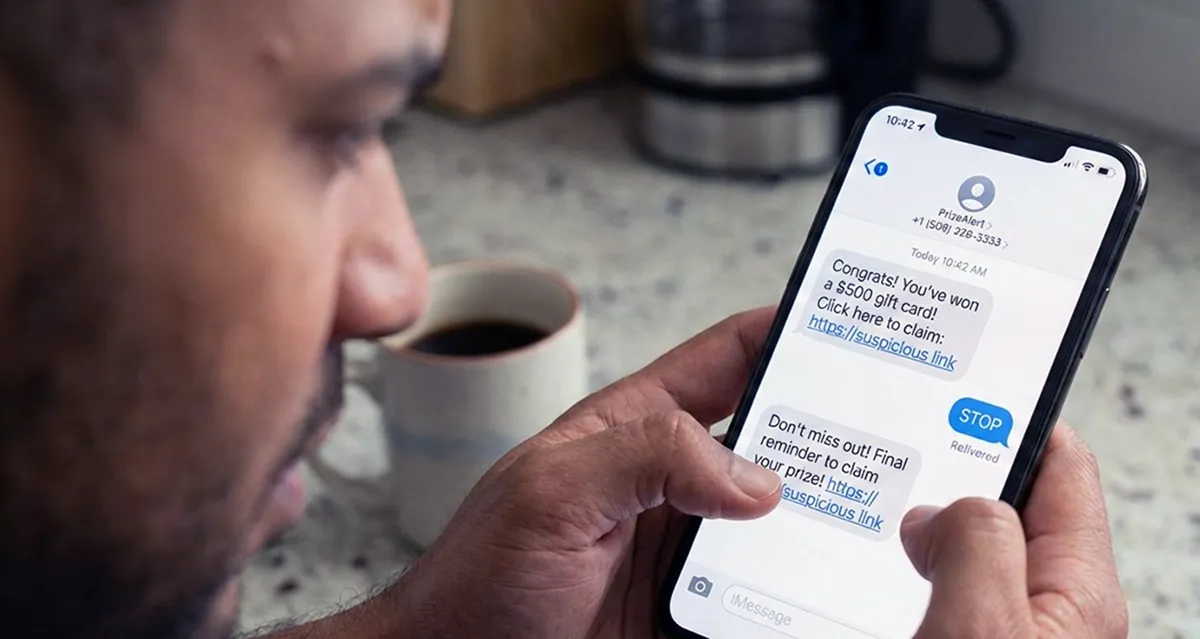
Spot fake prize texts fast, then forward, report, block, and delete them without losing money.
"You won a prize" texts are almost always fake because you never entered the contest named in the message. Real wins follow an entry you made, and they do not require fees for taxes, shipping, processing, or customs. Smishing, a scam text that tries to steal money or personal details, often uses prize news to create urgency.
The safest response is to pause, check warning signs, and report the message before you reply, click, or pay.
Verification note: Program terms and availability can change. This page was checked against linked sources on November 17, 2026.
How the fee request gives it away
The Federal Trade Commission states that anyone who says you won but must pay fees to collect is a scammer, because real prizes are free, as explained in FTC guidance on fake prize, sweepstakes, and lottery scams. The fee may be called taxes, shipping, processing, or customs. Any version points to the same problem.
Scammers also ask for bank details, card numbers, or passwords to "release" the prize. A real prize process does not work that way. Do not send money or personal details to collect an unexpected win.
Why an unexpected win does not add up
The Federal Trade Commission explains that unexpected messages claiming you won a contest you never entered are scams, since legitimate wins require entry and chance-based selection, in its FTC alert on random prize calls. Being "selected" without entering is not how lotteries and sweepstakes choose winners. That detail alone rules out most prize texts.
Watch for pressure to act fast, links to claim pages, or callback numbers. CISA, the federal cybersecurity agency, classifies prize texts with links or callback numbers as phishing and advises against clicking links or calling numbers in the message. Use contact details from the sponsor's own published rules or entry page instead.
Why these texts keep spreading
The Federal Trade Commission reported consumers lost $470 million to scams starting with texts in 2024, more than five times the 2020 total, with bogus gifts and prizes among the top five text-fraud types, according to FTC data on top text scams of 2024. About half of the reports involved bogus gifts, prizes, or similar lures. Low cost and fast delivery make texting attractive to senders of fake offers.
Harm falls hard on older adults. The FBI's Internet Crime Complaint Center logged 147,127 complaints and $4.9 billion in losses from victims age 60 and older in 2024. That age group was nearly three times likelier than younger adults to report fake sweepstakes and lottery losses.
What to do with a prize text
The Federal Communications Commission bans autodialed robotexts without prior consent or emergency purpose and advises forwarding questionable texts to 7726 so carriers can block similar messages, as described in its FCC guide to stopping unwanted robocalls and texts. Do not reply, click the link, or call the number in the message. Then delete the message from your phone.
Reported figures undercount the problem because many texts are ignored or never reported, according to USAGov. A rare real win can only be confirmed through the sponsor's own published contact or entry channel, not through the text itself.
- Do not reply, click, or call back.
- Forward the text to 7726, then delete it.
- Check the sponsor through the entry page or rules you actually used.
- File a report at ReportFraud.ftc.gov, and at ic3.gov if you sent money.