Why You Should Never Buy Gift Cards for Strangers Online
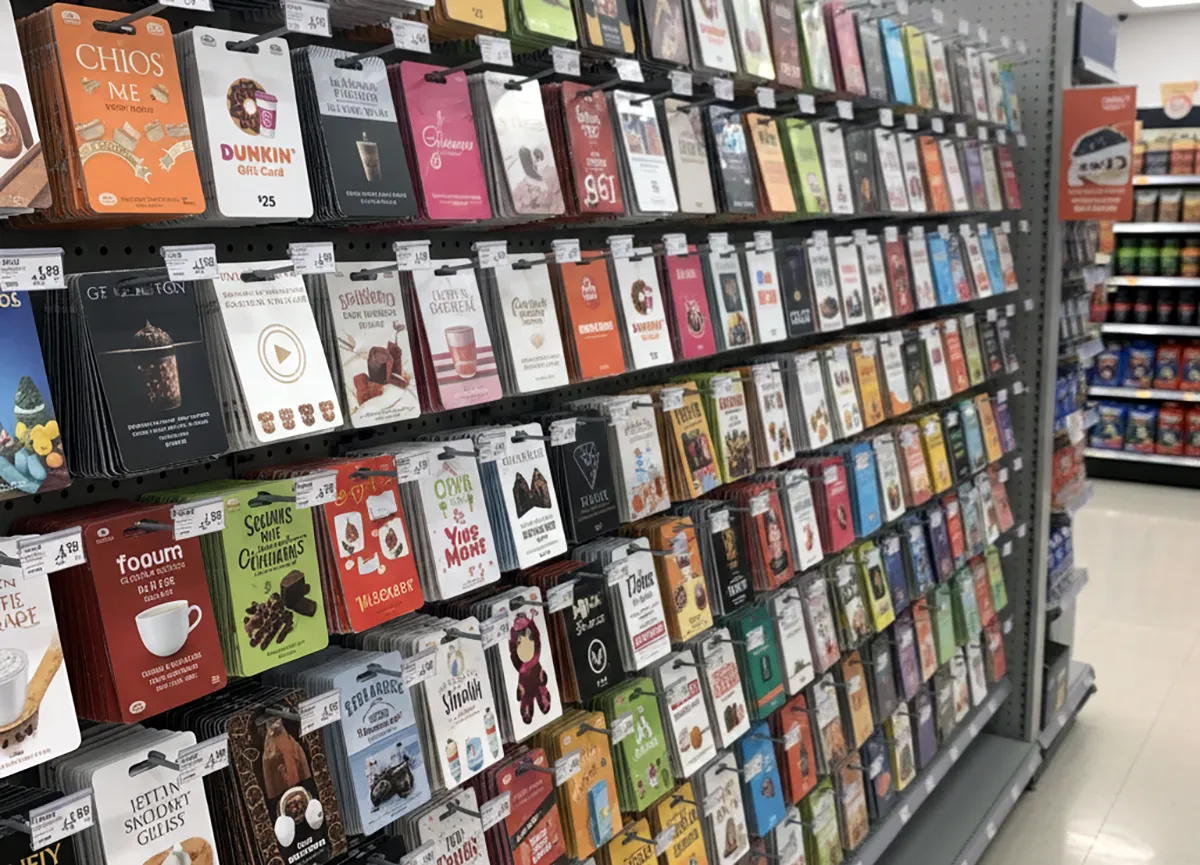
Learn the warning signs of gift-card payment requests and the exact steps to protect your money.
You should never buy gift cards for strangers online because no real business or government agency will tell you to pay that way. Any demand to buy a card and share the numbers off the back means the money can be drained before you can stop it. A gift card holds prepaid store credit for a named retailer or service.
In this fraud, a stranger directs you to buy one, then asks for the card number and PIN so funds can be spent remotely.
Verification note: Program terms and availability can change. This page was checked against linked sources on November 16, 2026.
How does the request usually sound?
Contact often starts by call, text, email, or social media. The Florida Department of Agriculture and Consumer Services explains in its Florida gift card scams guidance that callers create panic and urgency, name the exact card and store, and stay on the phone while you buy. The caller may claim you owe taxes, face arrest, missed jury duty, or must pay a fee to claim a prize.
They may also pose as tech support, a boss, a friend, or a romantic partner. Pressure to act now and keep it secret is part of the method.
Why can't gift cards pay taxes or bills?
Gift cards work only for the retailer or service named on the card. Apple states in its Apple guidance about gift card scams that its gift cards can be used only for Apple products and services and cannot pay bills, taxes, fines, or government fees. The IRS gives the same boundary for tax bills.
The agency states in its IRS holiday warning about gift card giving that it never asks for or accepts gift cards as payment, and thieves coach victims to buy cards at several stores and read the number and PIN.
What happens once you share the numbers?
Once scammers have the number and PIN, they can spend or transfer the balance quickly. The funds may be gone before you reach the card company or law enforcement, with little trail and usually no reversal. Reported losses are large.
In 2024, consumers filed 41,120 fraud reports naming a gift or reload card as payment, totaling $212 million in reported losses.
What should you do instead?
Stop, hang up, and do not buy the card. Do not read numbers, send photos of the back, or share a receipt. Check the bill or prize claim through a phone number or account you already trust.
If you already paid, act while money may remain on the card:
- Keep the card, packaging, and store receipt.
- Ask the card issuer at once to freeze the funds or issue a refund.
- Report to ReportFraud.ftc.gov and, for online contact, to the FBI at ic3.gov.