Why Some Retailers Freeze Returns During Peak Season
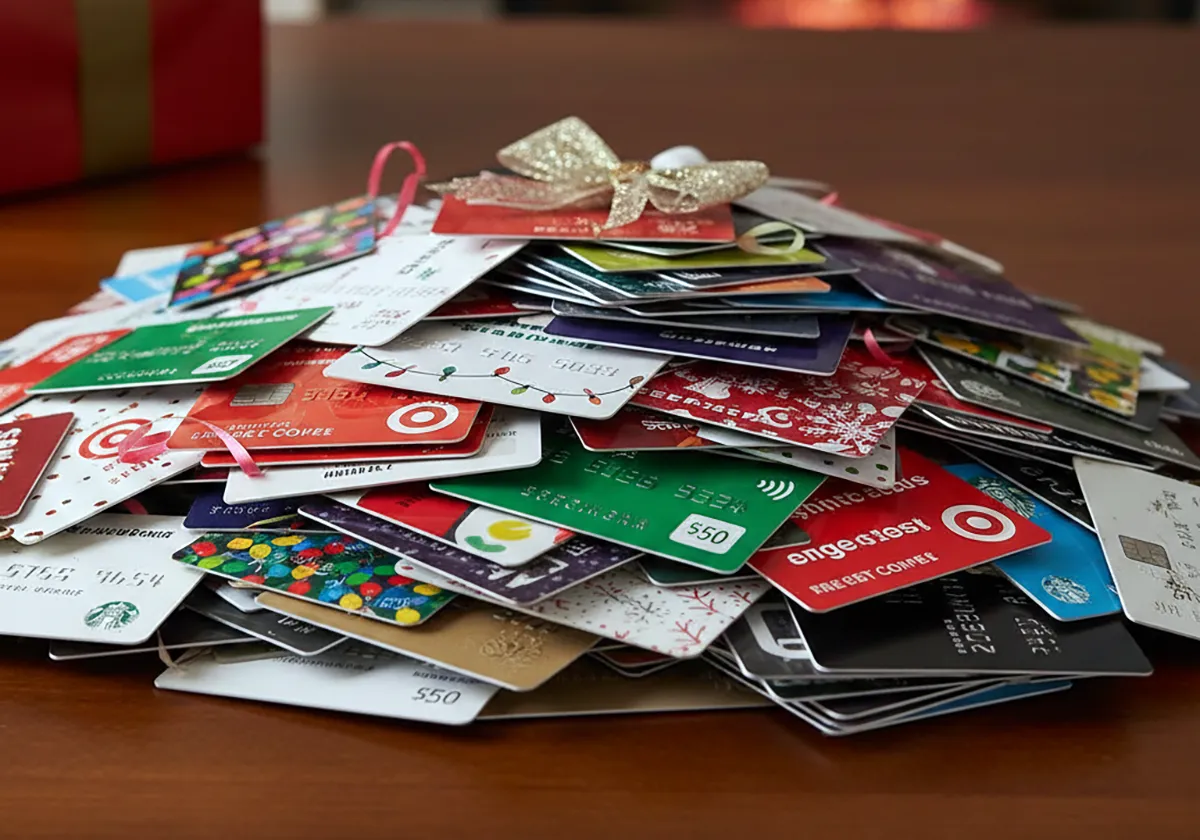
Why holiday returns get stricter in December and how to avoid mail fees and January delays.
Some retailers pause easy holiday returns because January brings a flood of packages. Each return costs roughly $25-$30 to process, according to Narvar data detailed in this Retail Dive report. A freeze rarely means zero returns.
It often means a shorter window, a mail fee, or in-store-only returns during December and January. Reverse logistics means the full trip back, including shipping, inspection, and repackaging for sale or disposal.
Verification note: Program terms and availability can change. This page was checked against linked sources on November 05, 2026.
What does a freeze look like?
Ulta and Sephora cut their windows from 60 to 30 days. Many apparel sellers added flat fees for mail returns, a shift described in this University of Virginia analysis. Other stores keep selling but push returns later.
Amazon accepts November 1 through December 31 purchases until January 31, according to this PPC Land summary of Amazon seller news. That delay moves the wave into late January.
Why does January hurt so much?
Holiday volume concentrates returns into a few weeks. The National Retail Federation expected 17% of 2025 holiday sales to come back, compared with 15.8% of annual sales worth $849.9 billion, as reported in the federation forecast. Each box needs labor, shipping, inspection, and support.
Industry estimates put the cost at about 30% of item value. Tariffs add pressure by squeezing margins on both the sale and the return.
How do abuse and shopper habits add pressure?
The National Retail Federation and Happy Returns estimate about 9% of 2025 returns were fraudulent. About 45% of shoppers said bending return rules was acceptable, while 75% of retailers said abuse is worsening. Appriss Retail puts 2025 returns at $706 billion.
It attributes 14.2% of that, or $100 billion, to preventable fraud-and-abuse loss, mostly abuse rather than outright fraud. That pattern makes broad rules costly for stores. Stricter terms carry risk for stores too.
About 71% of shoppers are less likely to repurchase after a bad return. About 69% say strict policies deter purchase, so many retailers hire seasonal staff and use outside warehouses instead of tightening alone.
How can you avoid fees and delays?
Check the holiday window before you buy, especially for gifts bought in November. Keep tags, receipts, and original packaging until the recipient decides. Zara charges about $3.95-$4.95 for mail returns and J.Crew charges $7.50, with in-store returns often free.
Bring the packing slip and ask for an in-store option first.
- Return at the store counter when mail carries a fee
- Start online returns early to miss the January backlog
- Gift with an exchange option when size or color is uncertain