Why Some Holiday Gift Cards Have Activation Delays
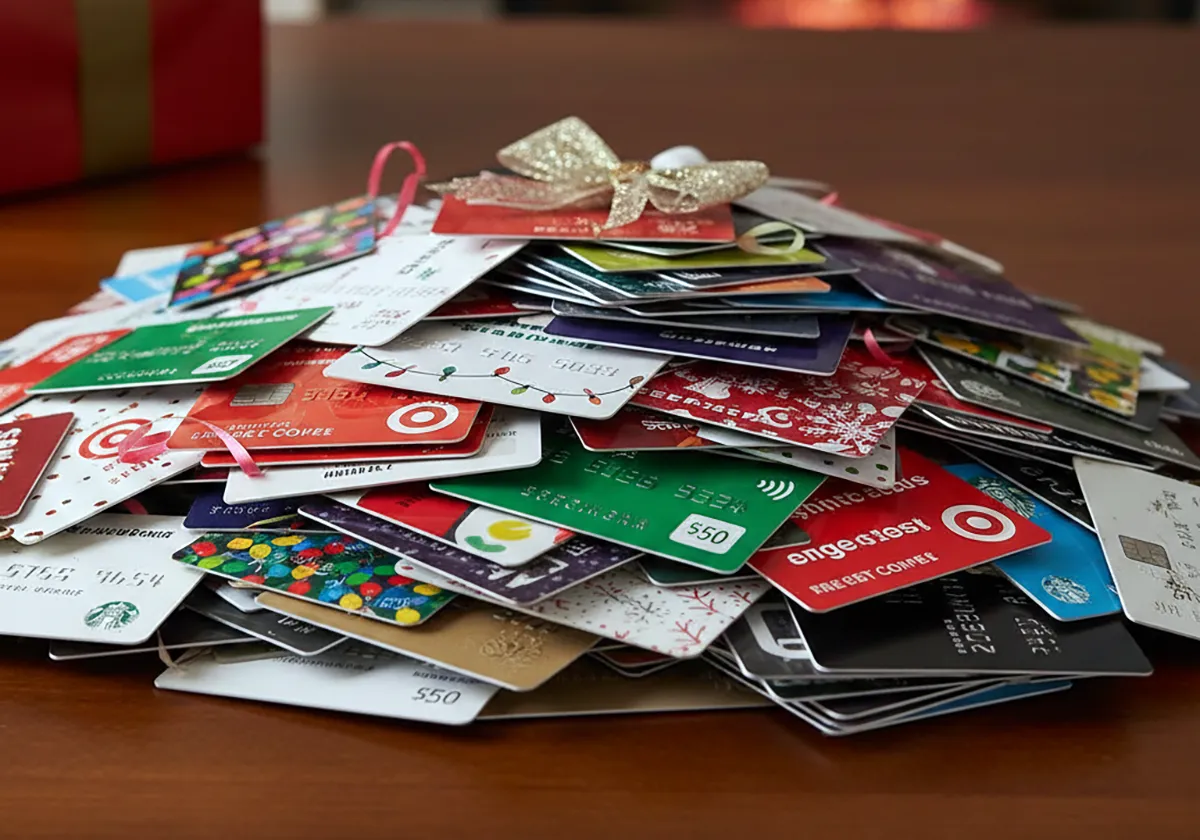
Zero balance on a holiday gift card? Here's how to tell a register error from a fraud hold, card draining, or a typo.
Most holiday gift card "activation delays" come down to two different things: a physical card that was never switched on at the register, or a digital card still sitting in the seller's fraud-screening queue. Neither is a defect in the card itself, and in both cases the fix sits with the retailer that sold it, not with the brand printed on the front. The timing is what makes this a holiday problem.
Cards bought in late November are often opened in late December, so the person who discovers the zero balance is the recipient — weeks after the receipt and the purchase window that would settle it quickly.
Verification note: Program terms and availability can change. This page was checked against linked sources on November 13, 2026.
Plastic cards leave the rack switched off
A retail gift card on a store rack is inert. It carries a number and, usually, a PIN, but no money is attached to it until the cashier scans it and the register sends an activation message to the card's processor. If that message never goes through — a scanning error, a voided or incomplete transaction, a network hiccup at the lane — the card looks perfectly normal and still reads as zero or invalid.
Card terms say this outright rather than leaving it implied. Niantic's gift card terms, for example, state that a card "will not be valid unless and until it is properly acquired and activated," which is why a card physically in hand can legitimately show no funds. The practical consequence is that the issuer usually cannot help.
Epic Games tells buyers in its support article on unactivated card codes that its own support staff cannot activate a card and that only the retailer where it was purchased can do so, and it directs people back to the store with the card and the receipt.
Why digital cards are late for a different reason
Emailed gift cards have no register step, so they fail in a different place: order validation. The seller runs the purchase through fraud screening before releasing the code, and a flagged order waits in that queue instead of arriving instantly. The published windows are short but real.
Walmart's eGift card listings say PINs are "usually delivered in minutes or, at most, within 24 hours depending on additional order validation required by WalMart or your Credit Card company." Target says in its gift card help page that emailed eGiftCards arrive "usually within 4 hours," and reserves the right "to reject or deactivate any gift card to prevent fraud, suspected fraud or abuse." Amazon documents the same shape of delay on its own platform, saying eGift card orders and balance reloads typically complete within about an hour, that delivery may be held for security checks on the account, and that reload funds can take up to four hours to appear. A hold is a normal outcome of screening, not a sign the order broke.
A third case — prepaid cards that need your identity
Open-loop prepaid cards, the Visa- or Mastercard-branded ones that work anywhere rather than at a single store, can be delayed by a legal requirement instead of a technical one. Under 2016 interagency guidance from the Federal Reserve, OCC, FDIC, NCUA and FinCEN, a prepaid card counts as a bank "account" requiring Customer Identification Program verification once reload or credit features are switched on. That means registering a name, address, date of birth and identifying number is a precondition before those features fully work — not an upsell and not optional.
If a prepaid card works for a small purchase but refuses a reload or an online transaction, registration is the first thing to check. Store-brand cards do not carry this requirement, which is part of why the two types behave so differently at the counter.
What to check before you assume it is a processing lag
Not every zero balance is a delay. The Federal Trade Commission warns in its guidance on avoiding gift card scams that thieves tamper with cards on store racks — peeling protective stickers or scratching the back to capture the number and PIN — then drain the value once a shopper loads it. A few checks separate the cases:
- Stickers intact and the PIN still covered at purchase. The FTC advises confirming both before you buy.
- The receipt kept with the card. The FTC's December 2024 consumer alert notes draining often goes unnoticed because people do not redeem cards right away, and says both the card and the store receipt are needed to file a claim.
- The email address on a digital order. Best Buy's e-gift card terms confirm the code goes to the address supplied at purchase, so a typo produces a permanent non-delivery that waiting will never fix.
- A plausible window for that specific seller. Past it, treat the problem as a failure, not a lag.
There is no universal activation window
Each of the timings above is one company's own stated estimate, not an industry standard. Target's four hours, Walmart's 24 hours and Amazon's roughly one hour differ because each runs its own processor and its own fraud rules. That matters for deciding when to act.
Twelve hours of silence is unremarkable at one merchant and a signal to escalate at another, so the only useful benchmark is the seller's own published figure for the card you bought.
What to do, in order
Start with the register, not the brand. For a physical card, go back to the store that sold it with the card and the receipt, since the retailer holds the activation record and the issuer generally cannot override it. For a digital card, give the seller its stated window, then check the delivery address on the order confirmation before contacting support.
If the address is wrong, escalate to the issuer immediately — that is a non-delivery, and no amount of waiting resolves it. If the card was bought as a gift, hand over the receipt with it. The FTC's December 2024 alert on checking gift cards is explicit that both pieces are required to file a claim, and a recipient opening the envelope in late December has no way to produce one they were never given.
Frequently Asked Questions
Can the brand on the card activate it for me?
Usually no. Epic Games states plainly that its support cannot activate a card and that only the retailer where it was purchased can, which is the standard arrangement for store-rack cards.
How long should I wait on an emailed gift card before contacting support?
Use the seller's own published window. Target says emailed cards usually arrive within four hours, Walmart says at most 24 hours with validation, and Amazon says about an hour with possible security holds.
Why does my prepaid Visa-style card ask for my personal details?
Federal guidance from 2016 treats a prepaid card with reload or credit features as a bank account subject to Customer Identification Program verification, so identity registration is a legal precondition for those features.
What if the balance was there and then disappeared?
Treat it as possible tampering rather than a delay. The FTC describes thieves capturing numbers and PINs from racked cards and draining them after loading, and says you need the card and receipt to file a claim.