Why Some Gift Cards Have Purchase or Activation Fees
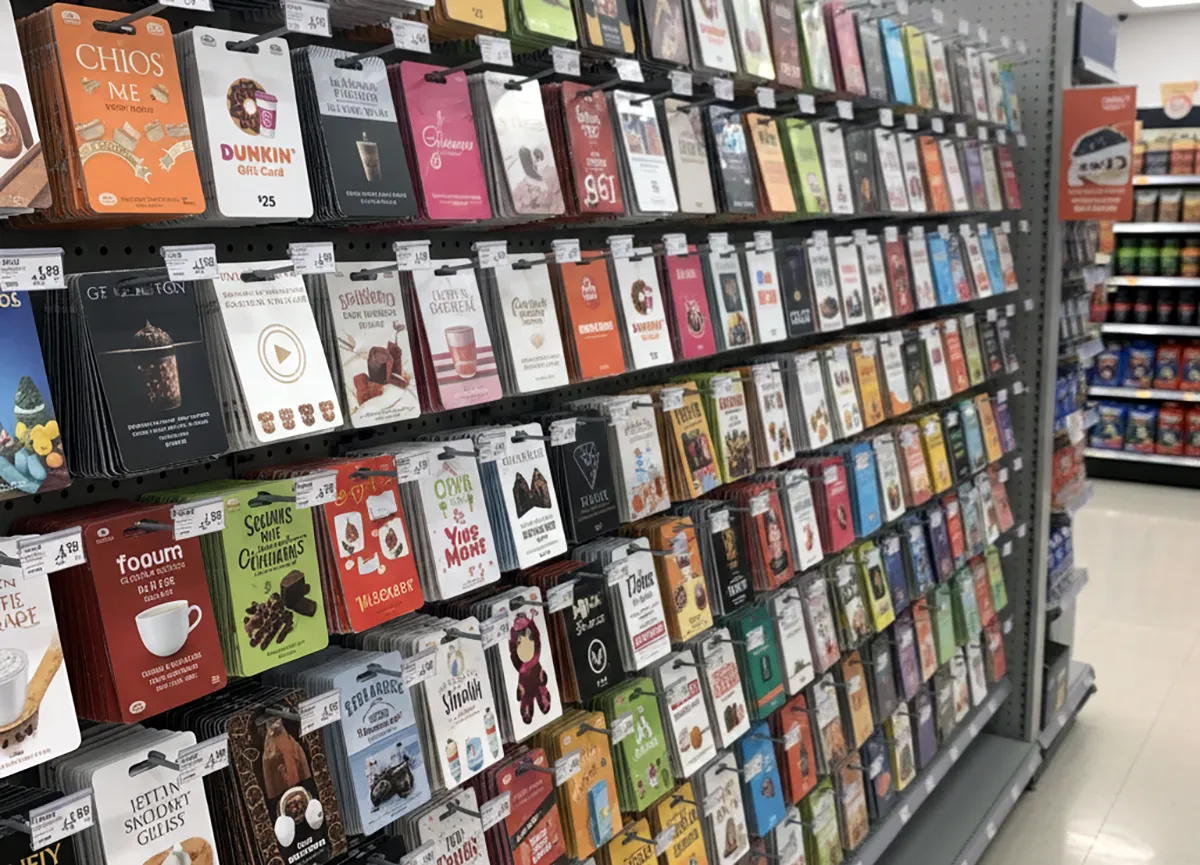
See why network gift cards add a checkout fee and how store cards and package checks lower the cost.
Some gift cards have a purchase or activation fee because the issuer adds a one-time issuance charge to cover card production, processing, distribution and network costs. Cards that work anywhere a payment network is accepted carry these costs, while store-only cards rarely do. An open-loop card carries a Visa, Mastercard or Amex logo and works anywhere that network is accepted.
A closed-loop card works only at the issuing retailer. That difference explains why one type adds a fee at the register and the other usually does not.
Verification note: Program terms and availability can change. This page was checked against linked sources on November 02, 2026.
Which cards charge a fee?
Open-loop network cards commonly include an upfront fee on top of face value. The buyer pays it once at purchase, not the recipient at use. Closed-loop store cards rarely include a purchase fee because they avoid network processing and work in one system.
That structure affects choice. A network card offers wide acceptance for the recipient. A store card keeps the purchase price equal to the gift value in most cases.
How much is the fee?
The fee often rises with the load value. For example, Giftcards.com lists $2.95 for $10.00 to $74.99, $4.95 for $75.00 to $149.99, and $5.95 for $150 to $250 in its current fee schedule. Giftcards.com also notes that Visa requires retailers to charge $2.95 to $6.95 depending on card type and quantity, with no further activation or monthly fees on its Visa eGift after purchase.
Shoppers who buy several cards pay that charge per card, so bulk purchases add up fast.
What does federal law allow?
Federal law permits upfront issuance fees. It limits later charges. The Consumer Financial Protection Bureau states that dormancy, inactivity or service fees are barred unless the card has been unused for at least 12 months, with a limit of one such fee per month and clear disclosure, in its gift-card regulation.
Sellers must also disclose all fees, expiration terms and conditions before purchase, on or with the card, and cannot change those terms after purchase, according to the Board of Governors of the Federal Reserve System in its gift-card requirements. Read the package and receipt before paying.
How can you pay less in fees?
Choose a closed-loop store card when you know where the recipient shops. You avoid the $3 to $6 per-card surcharge common on network cards. Check for shipping, replacement and inactivity fees on the package even when no purchase fee applies.
Watch expiration dates carefully. Federal law keeps gift-card funds usable for at least five years, so a date printed on the plastic does not necessarily end the funds, and holders can seek a free replacement card, according to the Consumer Financial Protection Bureau in its prepaid-card guidance.