Why Some Gift Cards Have Monthly Fees After the Holidays
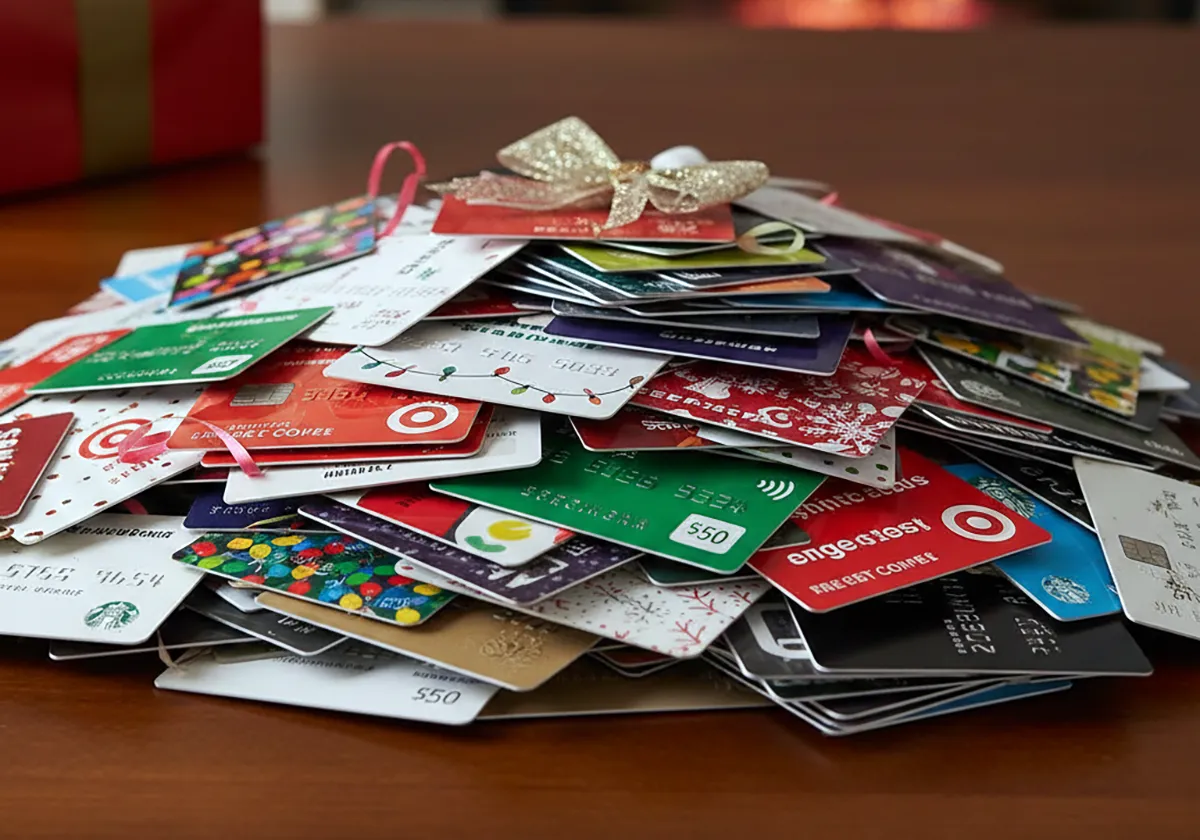
Learn which gift cards can lose value after a year idle and how one yearly purchase protects the balance.
Some gift cards charge monthly fees after the holidays because issuers use a dormancy fee, a charge for inactivity, to draw down idle balances. Federal rules allow that fee only after 12 months with no activity, so a December gift left unused can lose value the next December. The charge does not hit all cards.
It mainly affects open-loop network gift cards, cards that run on a payment network and work at many stores, when they sit unused for a full year. Card packaging must explain the fee before purchase.
Verification note: Program terms and availability can change. This page was checked against linked sources on November 28, 2026.
Why does the fee wait a full year?
The U.S. Code permits a dormancy, inactivity, or service fee only when the card had no activity during the 12 months ending on the charge date, according to the federal gift-card statute. Even then, the issuer may impose no more than one such fee per calendar month.
That timing creates the holiday pattern. A gift bought in December and never used becomes fee-eligible the next December. The Consumer Financial Protection Bureau notes this one-year gap is why deductions first appear after the holidays one year later.
Issuers use fees rather than expiration because gift-card funds cannot expire sooner than five years after issuance or the last load, according to the Consumer Financial Protection Bureau. Monthly fees slowly reduce an idle balance while the account stays open.
What must the card disclose?
The Federal Reserve requires clear disclosure that a dormancy fee may apply, plus its amount, frequency, and the inactivity trigger, according to the Federal Reserve rule for gift cards. The warning must be clear and conspicuous on the card or packaging. Shoppers should read the back of the card, the sleeve, and any enclosed terms.
Fee amount, monthly timing, and the 12-month inactivity rule should appear there. Keep the packaging until the balance is spent. Federal and Wisconsin guidance cap how often the fee can occur and require disclosure, but set no dollar limit on the amount, according to Wisconsin DATCP.
A lawful monthly fee can still be large enough to drain a small balance fast.
Which cards charge it and which do not?
Store gift cards and general-use prepaid cards fall under the same federal fee rules. In practice, holders of open-loop network gift cards see these maintenance fees most often. For example, Giftcards.com discloses a $4.95 monthly maintenance fee on Visa virtual accounts after 12 consecutive inactive months, according to Giftcards.com Visa fee explanation.
That type of network-branded gift card can accept many merchants, then charge each month until activity resumes or funds run out. Not all issuers charge them. American Express states its gift cards have purchase and shipping charges but no fees after purchase and funds that do not expire, according to American Express gift-card terms.
Terms differ by issuer, so compare disclosures before buying.
How do you protect a holiday balance?
Spend holiday cards early, even in small amounts. One purchase resets the 12-month inactivity clock. Where the card allows it, adding funds can also create activity.
The Federal Trade Commission advises recipients to make at least one transaction every 12 months and read card disclosures: Check the balance before shopping so a reduced amount does not surprise you at checkout. If a fee already applied, use the remaining value promptly to avoid another monthly charge.
- use part of the balance soon after receiving it
- make one small purchase before 12 inactive months pass
- reload where the card permits reloads
- save packaging terms showing fees and contact information