Why Do Package Scam Texts Mention A Small Fee?
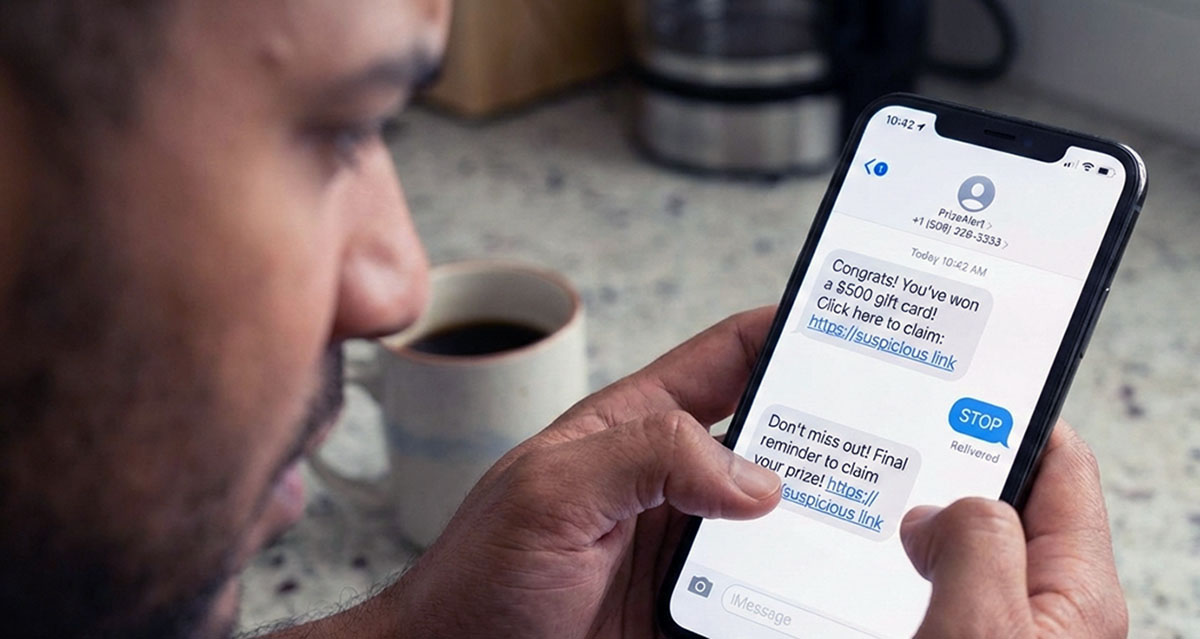
Learn why tiny package fees hide card theft and how to check a delivery text before you click.
Package scam texts mention a small fee, often about $1–$3, because a tiny amount feels harmless and prompts you to enter payment details. The fee itself is not the goal; the card number and details you type are, and those details can be reused for larger purchases. Smishing means scam texts that pretend to be from a delivery service.
The Federal Trade Commission reports fake delivery texts were the most reported text scam in 2024, in its top text scams report. They usually impersonate USPS, claim a delivery problem, and include a link to a bogus site.
Verification note: Program terms and availability can change. This page was checked against linked sources on November 03, 2026.
Why a tiny payment lowers suspicion
A $2 redelivery charge does not trigger the same pause as a $200 charge. It frames the request as paperwork, not shopping. That framing makes readers type quickly to fix delivery.
The Federal Trade Commission states many people who paid a small redelivery fee were actually tricked into handing over credit card numbers or Social Security numbers, described in the same top text scams report. The payment page is the trap. Any amount entered confirms the number is active.
The U.S. Postal Inspection Service notes the small sum is deliberately low so victims enter payment details without suspicion. The real target is card data for later, larger purchases.
Losses scale fast once that data is reused.
What happens after you click the link
The link opens a look-alike site that asks for an address, card number, or personal details. The Federal Trade Commission advises recipients not to click but to verify independently, in its consumer alert on USPS text scams. A direct check breaks the path to the fake site.
What you type can be stored and tried elsewhere. A card number can support test purchases, subscriptions, or resale. A Social Security number can support identity theft.
Treat any text demanding payment before delivery as a stop sign. Pause, keep the message intact, and check the parcel through a channel you find yourself. Never use the link, phone number, or reply box in the text.
How to tell a delivery text is fake
The U.S. Postal Inspection Service says USPS sends tracking texts only after a customer requests tracking with a specific tracking number, and genuine USPS tracking texts never contain a link, in its smishing guidance. A tracking text with a payment link does not fit that pattern.
New versions claim a parcel is stuck in customs or owes a tariff before delivery. The Federal Communications Commission links that tactic to August 2025 de minimis tariff-rule changes, in its package delivery scams guide. The tariff wording borrows news to sound urgent.
Watch for these signs:
- an unexpected tracking alert for a parcel you did not send or order
- a link to pay a fee, confirm an address, or release customs
- pressure to act now to avoid return or seizure
- a sender number or web address that does not match your carrier record
What to do with the message
Do not click, reply, or copy the link into a browser. Note the sender number, tracking number shown, amount requested, and web address. Those details help when you report.
Verify on your own by opening the carrier app you already use or typing the carrier website address yourself. Enter a tracking number from your order confirmation, not from the text. If no order matches, delete the text.
The Federal Trade Commission and the Postal Inspection Service ask readers to forward scam texts to 7726 and report them to ReportFraud.ftc.gov and [email protected]. Reported text-scam losses reached $470 million in 2024, over five times the 2020 level, and many cases go unreported.