Why Are Gift Cards A Favorite Target For Holiday Scammers?
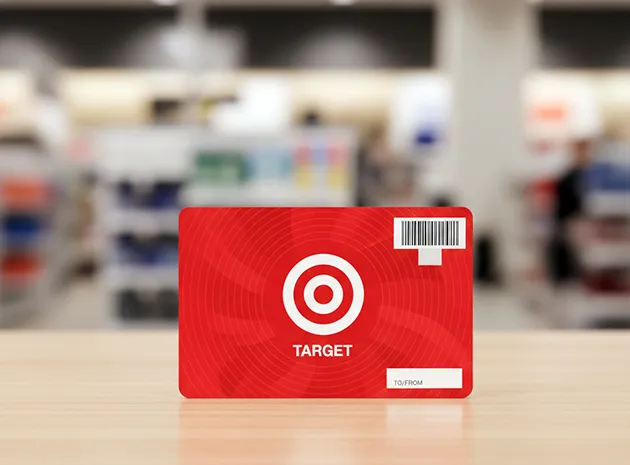
See why gift-card codes attract holiday scams and which simple checks protect your money before you pay.
Gift cards attract holiday scammers because the codes work like cash and move fast. Once a victim reads the number and PIN, a thief can spend, transfer, or resell the balance within minutes. Federal Trade Commission attorney Rebecca Plett explains that these transfers carry no chargeback or buyer protection.
A gift-card payment scam is a demand to buy cards and share the codes from the back to pay a bill or fix an urgent problem. The Federal Trade Commission says only scammers make that demand, noting that no real business or government agency requires gift-card payment, as described in FTC consumer guidance. The Internal Revenue Service says it never accepts gift cards for a tax bill and never calls to demand immediate payment by gift card, prepaid debit card, or wire transfer.
Verification note: Program terms and availability can change. This page was checked against linked sources on November 03, 2026.
Why does a gift-card code work like cash?
The number and PIN control the full balance. Anyone who sees or hears them can use the money in a store, online, or through resale. The card itself does not matter after the code is shared.
That speed favors the scammer. Funds can move or be resold before the victim realizes the call, message, or listing was false. Banks cannot pull the payment back the way they sometimes can with a credit-card charge.
Why is the money so hard to get back?
Gift cards generally require no bank account or ID to redeem. AARP policy research notes that this lets criminals receive funds without attaching their name, leaving little trail to trace or reverse. Reported losses are large but incomplete.
The Federal Trade Commission's Sentinel data logged 41,120 fraud reports naming gift or reload cards in 2024, with $212 million reported lost, in the FTC 2024 data book. Those figures cover only reported, unverified consumer reports, so the agency notes that true losses are higher.
Why do the holidays give scammers more openings?
More shoppers buy cards in December, and more cards sit within easy reach. An AARP Public Policy Institute holiday survey found 72% of consumers planned to buy gift cards in 2025, while open store racks allow thieves to tamper at scale, according to the AARP holiday fraud survey. Physical tampering is built for that volume.
The FBI's San Francisco field office warns that thieves copy numbers and PINs, reseal packaging or place counterfeit barcodes over real ones, then use software to drain funds seconds after checkout activation, as detailed in the FBI holiday-shopper warning. The FBI has also warned that holiday sellers offer fraudulent or stolen gift cards at discounts on auction sites and urge victims to pay for merchandise or emergencies with prepaid cards.
What should you check before you buy or pay?
Treat any demand to pay with gift cards as a warning sign. Common versions include a claimed tax debt, utility shutoff, arrest threat, family emergency, tech-support fee, or an online purchase that must be paid with prepaid cards. A caller who pressures you to stay on the line while buying cards is pushing you past the point where you might check.
If someone demands gift-card payment for taxes, fines, utilities, or an emergency, stop and contact that organization through a number you find yourself.
- Buy cards where packaging looks sealed and untampered
- Compare the barcode on the card with the package and receipt
- Keep the receipt until the recipient confirms the balance
- Never read a code over the phone or send a photo of the back
- Skip deeply discounted cards from auction listings or strangers