White Elephant Gift Rules Every Office Should Set
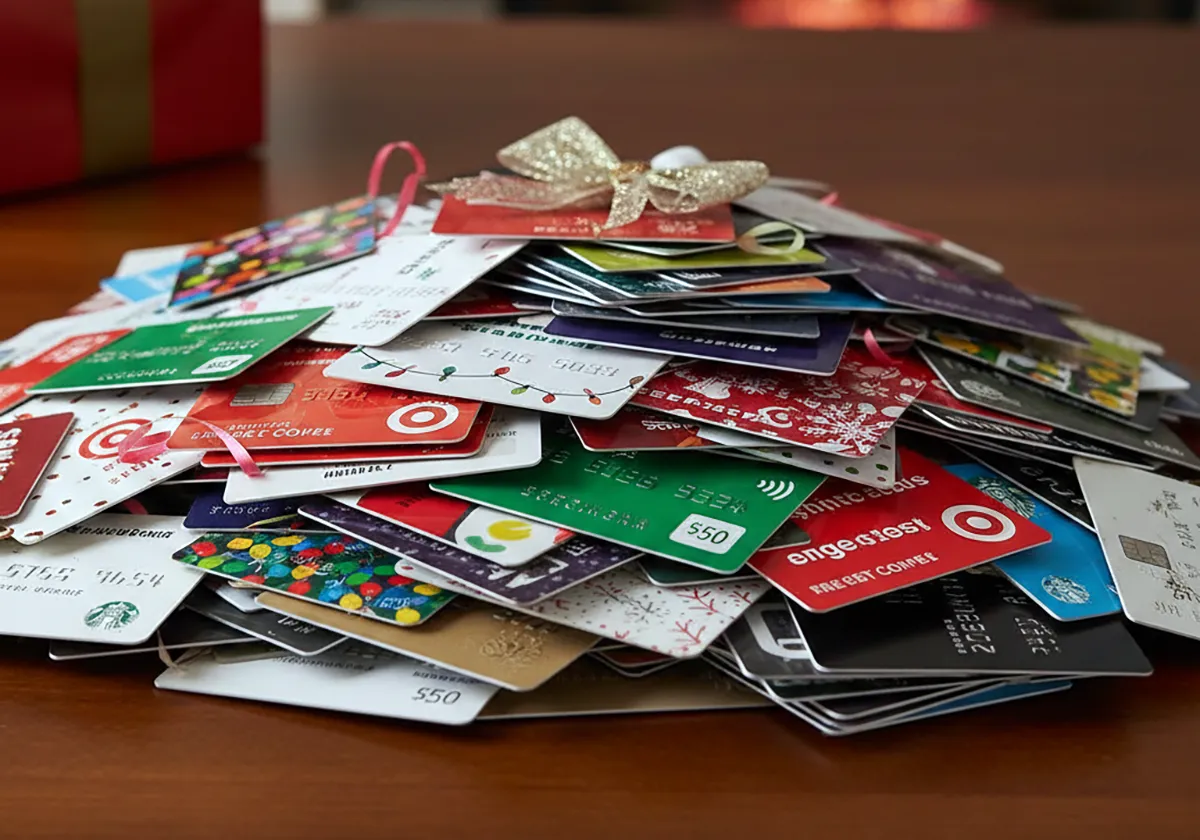
The five white elephant rules that keep an office exchange out of payroll corrections, harassment complaints, and gift-to-the-boss trouble.
Every office white elephant exchange needs five rules set in writing before the first gift arrives: a hard spending cap, voluntary participation, a content standard that bans gag gifts aimed at a coworker's body or beliefs, a ban on gifting upward to a boss, and a decision about whether gift cards are allowed at all. Those five cover the only parts of the game that reliably create complaints, payroll problems, or a legal claim — the stealing, the swapping and the three-steal limit are just house preferences. White elephant is the exchange where everyone brings one wrapped gift under a set dollar limit, draws numbers, and can either open a new gift or steal one already opened.
It is popular precisely because it is cheap, and cheap matters: Challenger, Gray & Christmas's December 2024 survey of 173 HR and business leaders found 17% of companies planned to cut party spending, up from 8% the year before, while 64% still planned an in-person celebration. That sample is small and no newer edition is available, but the direction explains why a $20 swap has replaced the catered dinner in a lot of offices.
Verification note: Program terms and availability can change. This page was checked against linked sources on November 13, 2026.
Set the dollar cap, and say what counts
Pick one number and state it as both a floor and a ceiling — "spend $20, give or take a few dollars" works better than "up to $20," which invites a $3 entry next to a $20 one and makes the steal rounds lopsided. Common caps run $10 to $25. Write the number in the invitation, not in a reply to someone who asks.
Then say what the money can be spent on. A cap of $20 does not tell anyone whether a $20 bottle of wine, a $20 lottery ticket, or a homemade jar of jam qualifies. If your office has people who do not drink, excluding alcohol is the simpler rule than refereeing it.
Finally, decide whether re-gifting an unopened item from home is allowed. Many offices encourage it — it is the original spirit of the format — but it needs saying, because the person who brings a shelf-worn candle without permission looks cheap rather than thrifty.
Gift cards create a payroll problem, not a tax loophole
If the employer pays for the gifts, gift cards are the one category to think hardest about. The IRS treats gift certificates redeemable for general merchandise, or carrying a cash-equivalent value, as taxable wages rather than de minimis fringe benefits — so an employer-funded card exchange generates payroll reporting. Publication 15-B's 2026 edition puts it without any wiggle room: cash and cash-equivalent benefits, including gift certificates, gift cards and charge-card use, are never excludable as de minimis, no matter how small the amount.
"It's only $25" is not a defense, and that has been tested. In Technical Advice Memorandum 200437030, the IRS held that a $35 employer holiday coupon redeemable at local grocery stores was not de minimis and its value had to be included in the employee's income. The same guidance does treat a traditional, infrequent holiday gift of *property* with low fair market value — the classic turkey or ham — as excludable, applying a frequency-and-value test rather than a fixed dollar cap, and one ruling found items above $100 could not qualify.
The practical reading for an office exchange: Confirm the current-year treatment against Publication 15-B before setting a funded budget, and route the question to whoever runs payroll rather than deciding it in a group chat.
- Employees buying their own gifts with their own money: not compensation, not the employer's reporting problem.
- Employer reimbursing or funding gift cards: treat as taxable wages and loop in payroll before the party, not after.
- Employer buying low-value physical gifts: potentially excludable, but the test is frequency and value, not a dollar threshold someone remembers from a blog.
- Any employer-funded program near or above $100 per person: assume it is reportable.
Participation has to be genuinely optional
Make opting out available, unremarkable, and free of consequence — including no reduced access to the food, the time off the floor, or the manager's goodwill. This is not etiquette. The EEOC sued a Manhattan pediatric practice, Pediatrics 2000, on October 2, 2019 in the Southern District of New York after it fired a Jehovah's Witness employee who asked to be excused from a company party, the owner texting that the firm "can't tolerate religious privileges from anyone." The case settled on July 2, 2020 for $68,000 plus a consent decree requiring anti-discrimination policies and procedures.
Asking to sit out a holiday gift event can be a Title VII religious accommodation request, and treating it as an attitude problem is how an office party becomes a federal lawsuit. Two mechanics follow from this. Collect sign-ups by opt-in rather than opt-out, so nobody has to explain a withdrawal.
And do not read out who declined, or build the game so that the number of gifts publicly reveals who did not bring one.
Never gift upward — and in federal offices it's a written rule
Ban gifts and group collections that flow from subordinates to a manager. In a random-draw white elephant this mostly handles itself, but it breaks down the moment someone organizes a side gift for the boss or a manager joins a team pool. Federal-sector employees face an explicit regulation rather than a norm.
Under 5 CFR 2635.302, an employee may not give, or contribute toward, a gift to an official superior, with a narrow exception at § 2635.304 for non-cash gifts worth $10 or less per occasion. Section 2635.302(c) separately forbids a superior from coercing a subordinate's gift. Private employers are not bound by that rule, but the $10 non-cash exception is a sensible borrowed benchmark, and the anti-coercion principle is worth copying verbatim.
A manager who "suggests" a team contribution has created pressure whether or not they meant to.
Write the content standard before someone tests it
State plainly which gift categories are out: anything sexual, anything about a coworker's body, weight, age, race, religion or relationship status, alcohol if you have excluded it, weapons, and inside jokes that only land if everyone knows the target. SHRM's workplace gift-giving guidance tells employers to be explicit about whether gift-giving is permitted at all and to steer staff away from jewelry, perfume, gag gifts and expensive items — which is close to a list of what shows up in white elephant exchanges by default. The joke format is the risk, not the dollar amount.
SHRM's Ask HR column, responding to an employer whose $5 exchange produced an embarrassing gift, advised applying the existing workplace-conduct policy, with consequences for the giver such as sensitivity or harassment training depending on severity. A $5 cap bought no protection at all. Name a single organizer with authority to pull a gift out of the pile before it is opened, and tell everyone that person exists.
A quiet removal costs one awkward moment; an opened gift costs an HR file.
A one-paragraph rule set you can paste
Keep the written version short enough that people actually read it: The last line is the only part that is purely taste — set it however your office likes. The five above it are the ones that keep a cheap party from turning into a payroll correction or an EEOC charge.
- Spend about $20. Not under $15, not over $25.
- Participation is optional. Tell the organizer by Friday if you're in. No reason needed either way.
- Nothing sexual, nothing about anyone's body or beliefs, no alcohol, no weapons, no gag gifts aimed at a person in the room.
- No gifts or collections for managers. Managers: don't suggest one.
- Buy your own gift; the company isn't reimbursing, and no gift cards.
Frequently Asked Questions
Can we just hand out $25 gift cards instead of running an exchange?
You can, but if the employer funds them it is reportable compensation. IRS Publication 15-B states cash and cash-equivalent benefits, including gift cards, are never excludable as de minimis regardless of value.
Is a $100 cap unreasonable for a senior team?
It raises two problems. It prices out anyone who cannot spend it, and if the employer is funding it, the IRS has found items above $100 cannot be de minimis in at least one ruling.
What do we do if someone opens an offensive gift mid-game?
Stop the round, set the gift aside, and handle it afterward under your existing conduct policy — the approach SHRM recommended for exactly this situation, with consequences scaled to severity rather than brushed off as a joke.
Does a remote team need different rules?
The same five, plus a shipping deadline and a clear statement that nobody is expected to reveal a home address. Shipping cost should sit outside the spending cap so remote staff are not effectively spending more.