What to Know Before Using a Local Shop Gift Card
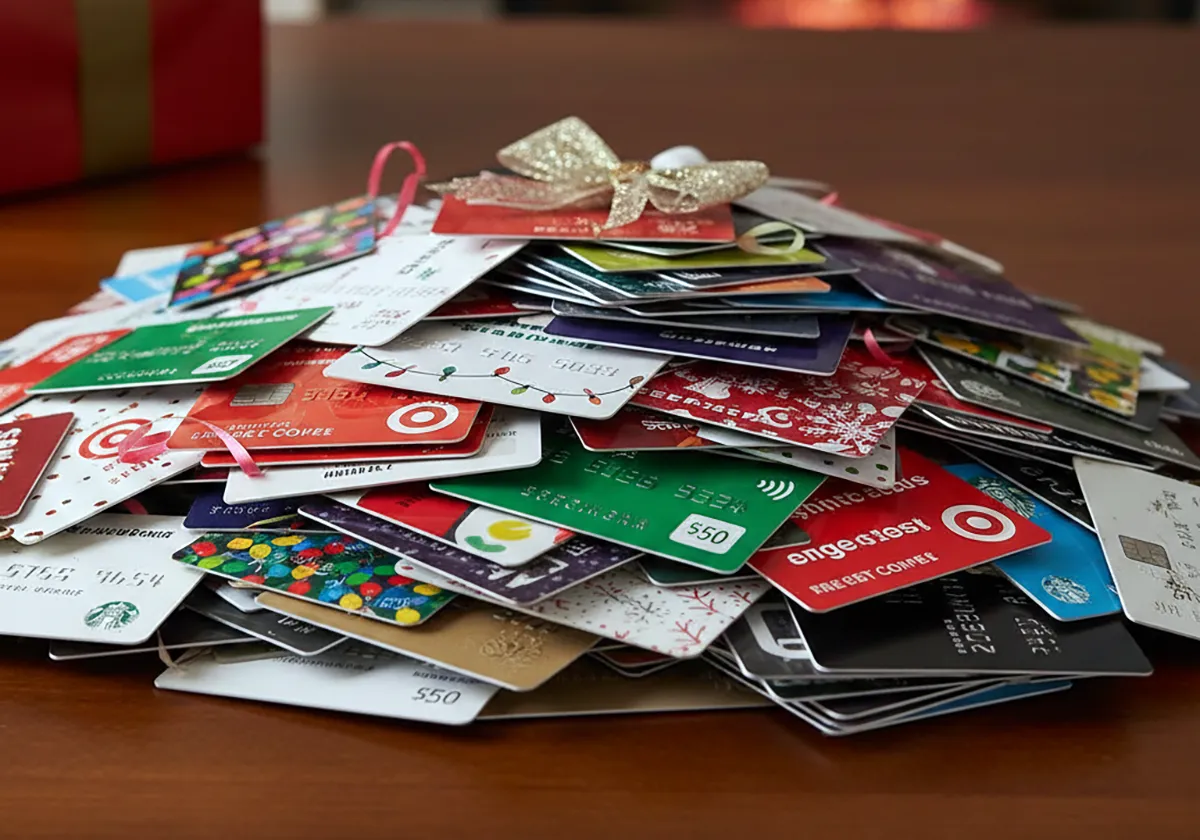
Learn how long local gift cards last, what fees apply, and how to protect your balance before you shop.
Before using a local shop gift card, check its expiration terms, fee terms, and receipt, and plan to use it promptly. A store gift card is a prepaid card usable only at the named shop or chain. Federal rules set minimum protections for funds and fees.
Local risks still matter, such as shop closure, lost cards, and tampering.
Verification note: Program terms and availability can change. This page was checked against linked sources on November 18, 2026.
How long will the funds last?
The Consumer Financial Protection Bureau says federal law bars store gift cards that expire sooner than five years after issuance or last load. See its gift-card expiration guidance for the scope of that protection. Issuers can charge dormancy, inactivity, or service fees only after 12 months without activity.
They can charge no more than one such fee per calendar month, and only if clearly disclosed, under CFPB Regulation E. The Federal Trade Commission advises buyers to compare expiration terms and covered fees on the card or packaging. That comparison helps if you visit the shop rarely or are choosing between shops.
What should you inspect before you buy?
The Federal Trade Commission advises buyers to inspect gift-card packaging and protective stickers before purchase. Cards from trusted sellers carry less tampering risk than cards from auction sites. A damaged sticker, exposed PIN, or resealed package can signal prior access.
Choose another card from behind the rack or ask staff for help.
- Reject a card with a scratched-off PIN or damaged packaging
- Buy directly from the shop or a seller you trust
- Keep the card copy and purchase receipt
- Report a tampered card to the shop promptly
When should you refuse a gift-card payment request?
No real business or agency demands payment by gift card and then asks for numbers or PINs. The Federal Trade Commission warns that only scammers make that demand, as explained in its gift-card scam advice. Treat such a request as a warning sign and stop contact.
Keep the card copy and receipt, then report the incident promptly to the FTC and local law enforcement.
What happens if the shop closes?
If the local shop closes or enters bankruptcy, gift-card holders are generally treated as unsecured creditors. The U.S. Bankruptcy Court for the Southern District of New York explained that such claims are paid after secured and priority claims, as shown in its Borders gift-card opinion.
That order means balances may become partly or fully worthless. Long-unused balances can also escheat to the state as unclaimed property after the state dormancy period. The National Association of Unclaimed Property Administrators maintains a state-by-state search for holders.
Search that database if the shop disappears and you still hold a receipt and card number.
What if the card is lost or stolen?
Federal gift-card rules do not require replacement of lost or stolen store cards. The CFPB also permits a replacement fee for lost or stolen cards. That standard differs from stronger error-resolution rights for registered prepaid accounts.
Store cards tied only to the plastic offer little recourse once gone. Record the card number, keep the receipt apart from the card, and give the recipient the terms. Quick use lowers loss, closure, and fee risk.