What to Do if You Receive an Unsolicited Gift Card?
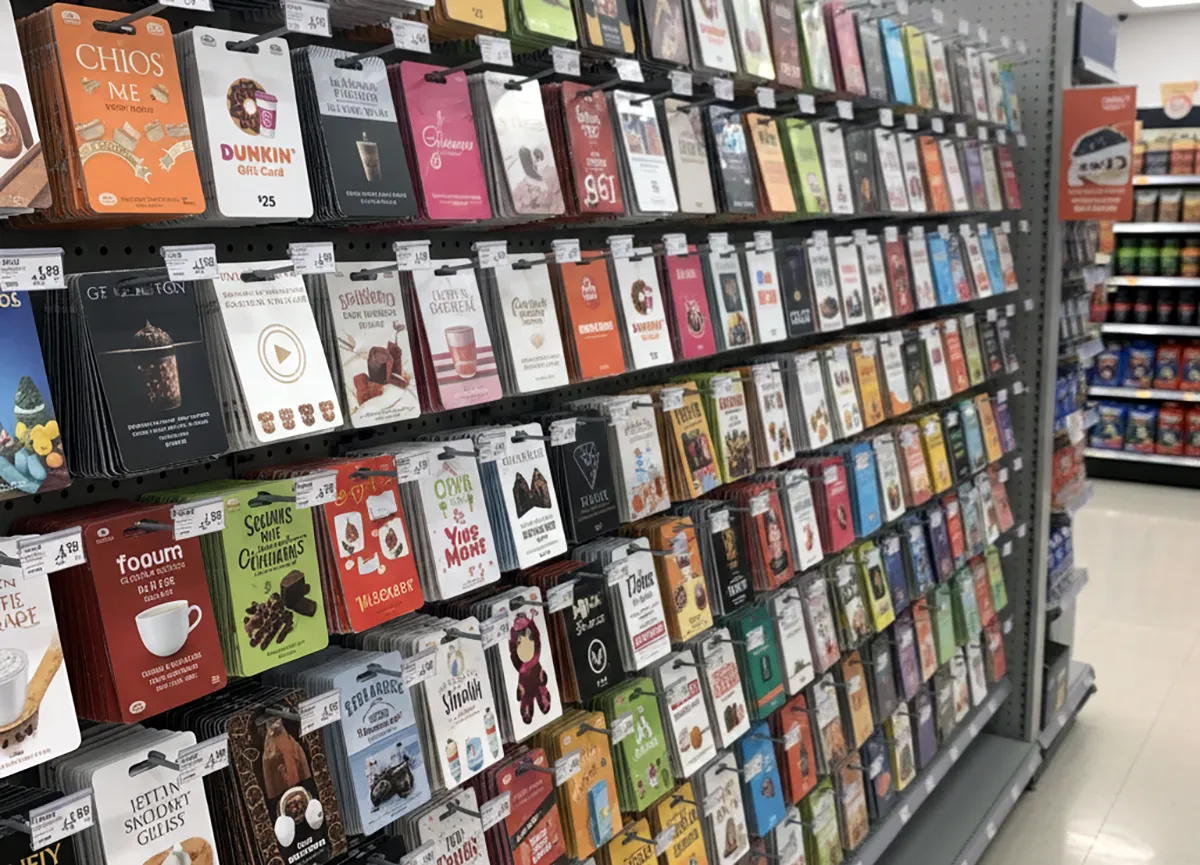
Keep an unordered card safely, spot brushing clues, verify value without risky scans, and file the right reports.
Treat an unexpected gift card sent to your home as unordered merchandise you may keep without paying or returning it. Do not scan any enclosed QR code, do not share card details, and check the balance only through the issuer's own website or phone line. Unordered merchandise means goods mailed without your prior request or consent.
That label matters because it sets your rights, explains why vendors send cheap items, and guides the safety steps below.
Verification note: Program terms and availability can change. This page was checked against linked sources on November 24, 2026.
What does the law allow you to do?
Federal law treats merchandise mailed without your prior request or consent as a gift you may retain, use, discard, or dispose of without obligation. According to the Office of the Law Revision Counsel, the sender may not bill you or send dunning notices for it, as described in the federal unordered-merchandise statute. That means you do not owe payment for the card or its packaging.
Keep the envelope, packing slip, and card number in case you later report the shipment.
Why would a stranger send a gift card?
An unexpected package is often brushing. In brushing, an online seller ships cheap goods to a real address, then uses the recipient's name and address to post a fake verified-purchase review that lifts its sales ranking, according to the U.S. Postal Inspection Service in its brushing-scam explainer.
A gift card fits the same pattern when it arrives with no order history or clear sender. The card may carry little or no value, collect attention, or lead you toward a site that asks for personal details.
- Save the sender name, return address, and tracking label.
- Note whether you have an account or past order with that seller.
- Watch for later reviews posted under your name that you did not write.
What warning signs should you check first?
Look for missing sender information, a vague note, or pressure to scan a code or visit a link. The FBI warns that crime groups ship packages often with no sender information to entice scanning, and the code can prompt victims to share personal and financial information or install phone data-stealing malware, as explained in its July 2025 package QR-code alert. Do not scan QR codes from unknown origins or unsolicited packages.
Be cautious with packages lacking sender information, and pause before granting phone permissions or opening linked sites and apps. If a note, call, text, or link asks you to buy a gift card or share its number and PIN, stop. The Federal Trade Commission advises contacting the card issuer right away using its own customer-service number and reporting the incident at ReportFraud.ftc.gov.
How can you check the balance safely?
Keeping the item is lawful, but that does not make the card safe to use or redeemable. The Office of the Comptroller of the Currency notes that issuer freezes or refunds after a scam are not assured, so balance checks belong only on the issuer's own site or phone line. Type the issuer address yourself rather than using a printed QR code or emailed link.
Use the number printed by the issuer on the card or its own packaging, not a number from the package note.
- Enter only the details needed for a balance check.
- Do not create an account, link a bank, or grant app permissions to check value.
- If the balance looks wrong or the site asks for extra personal data, stop and keep the card for your report.
What should you secure and report?
If you suspect brushing or QR-package fraud, secure your online accounts and review financial activity. The FBI recommends changing account profile details and requesting a free credit report to check for fraudulent activity. Report brushing and QR-package fraud to the FTC at ReportFraud.ftc.gov and to the FBI at ic3.gov.
Include the sender name, contact methods, websites, phone numbers, and any apps downloaded or permissions granted.