What to Do If You Overspent on Black Friday Already?
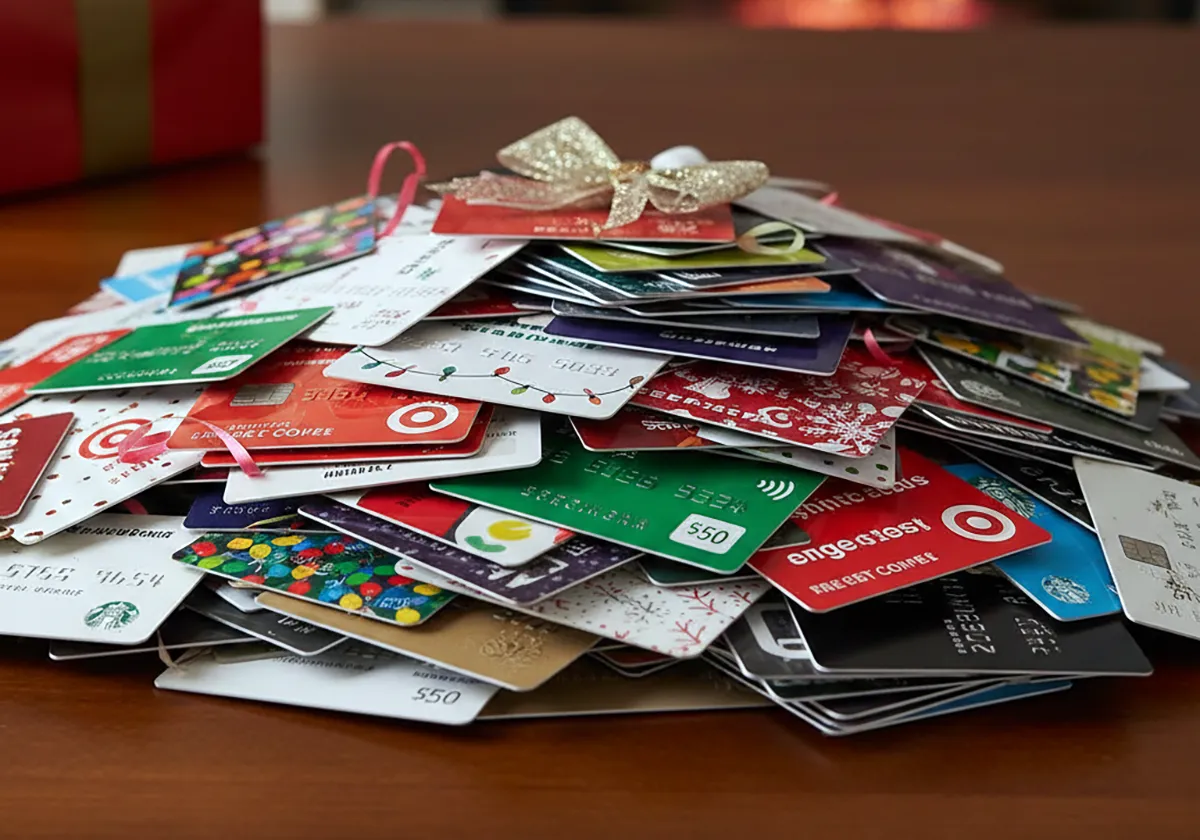
Turn Black Friday regret into a clear return, refund, and payoff checklist that lowers interest costs.
If you overspent on Black Friday, pull every receipt now, return unneeded items right away, and put the rest on a payoff plan. Pause new holiday buying until each balance has a clear payment date. Overspending means you spent past the amount you planned for sales week.
Interest makes that gap larger each month you carry it. A fast sort, a return run, and a payment order can limit the damage.
Verification note: Program terms and availability can change. This page was checked against linked sources on November 17, 2026.
Return what you can first
Lay out paper and email receipts by store, date, and return window. Keep items unused, undamaged, and tagged. The Federal Trade Commission notes in its guide to returns, refunds and other resolutions that many stores stop returns after 30 or 90 days.
Start with the easiest wins. Gather the receipt, the card you used, ID, and original packing. Check each refund within a few days.
A missing refund can signal a store-credit swap you did not want. Act again quickly so you stay inside the window.
- Return duplicates, wrong sizes, and impulse extras first.
- Keep shoes, small appliances, and toys unused and boxed.
- Ask for the refund to go back to the original payment method.
What if your order has not arrived?
Find the promised ship date in your order confirmation. If the date has passed, contact the seller in writing and save the reply. The Federal Trade Commission explains the rule in its business guide to the Mail, Internet, or Telephone Order Merchandise Rule.
Sellers must ship by the promised date or within 30 days when no date was stated. You can use that delay to cancel what you no longer need. The same Federal Trade Commission guide says the seller must let you wait or cancel for a prompt full refund.
Choose cancel for extras, then put that refund toward the balance you keep.
Build a payoff order for the rest
List each remaining balance with its rate and due date. Put the priciest debt first for extra payments. Federal Reserve data in the Federal Reserve G.19 data preview cover commercial-bank card plans.
They charged 22.36% in August 2026 for accounts assessed interest, so carried balances grow fast. Pay more than the minimum whenever you can. The Consumer Financial Protection Bureau says in its Know Before You Owe credit-card guidance that larger payments cut interest and shorten payoff time.
Set that larger amount as an automatic payment. Keep the other cards current with at least the minimum due.
Sort store cards and split payments
Open any new store card from the sales. A store card is a credit card tied to one shop or chain. The Consumer Financial Protection Bureau warns that unpaid store-card balances accrue interest each month.
That interest makes each purchase cost more than its sticker price. Buy-now-pay-later means short-term loans that split one purchase into several payments. The Consumer Financial Protection Bureau says most buy-now-pay-later loans charge late fees when payments are missed.
Missed payments can also freeze further purchases and send the debt to collection. Pay the store card first if its rate is highest. Then clear any late split-payment loan before its fees stack.
Do not open a new split to cover an old one.
Freeze new spending for December
Track every dollar for the next few weeks. The Consumer Financial Protection Bureau advises logging all income and spending for at least two weeks to one month with its Spending Tracker. Then combine that log with a bill calendar and budget worksheet.
Use what you learn to set a firm weekly cap. Move due dates to payday week when you can. Start the log tonight and keep it daily for two weeks.