What to Do if a Giveaway Asks for Your Social Security Number?
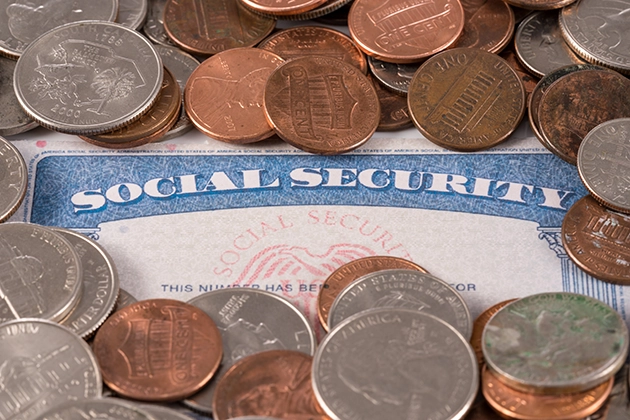
Learn when to withhold your SSN, how to verify a prize win, and how to handle tax forms safely.
Do not put your Social Security number on a giveaway entry form. Share it only after you verify you won and the sponsor requests it through a formal tax and eligibility process. A Social Security number is the nine-digit tax ID used to report taxable income to the IRS.
Prize notices that ask for it upfront, ask for bank details, or ask for payment are warning signs of a fake prize notice.
Verification note: Program terms and availability can change. This page was checked against linked sources on November 24, 2026.
Why do entry forms not need your SSN?
A legitimate entry usually needs only contact details, age eligibility, and location. The New York Attorney General advises consumers not to put financial information or Social Security numbers on an entry form, according to sweepstakes tips from the New York Attorney General. The same guidance warns never to pay upfront taxes because legitimate contests do not collect taxes in advance.
The Federal Trade Commission also warns that any prize requiring payment to collect is a warning sign, including fees labeled taxes, shipping, processing, or customs duties, described in Federal Trade Commission guidance on fake prizes.
When is an SSN request normal?
An SSN request can be normal after selection as a potential winner. The sensitive information a legitimate sweepstakes needs from a winner is a Social Security number to report winnings accurately to the IRS, according to sweepstakes tips from the New York Attorney General. That winner-only pattern appears in current sponsor rules.
For example, the published rules for a Venetian sweepstakes require a selected potential winner to sign an eligibility affidavit and IRS Form W-9 and allow the sponsor to request the winner's Social Security number for tax purposes, as shown in the Venetian sweepstakes rules.
How do you check a win before sharing anything?
Pause and verify through contacts you find yourself. Use the sponsor's published contact information and published rules, not phone numbers, links, or reply addresses in the win notice. Form W-9 is the IRS form used to certify your taxpayer identification number to a payer.
An affidavit is a signed statement confirming identity, age, location, and eligibility.
- Find the sponsor's published rules and confirm the promotion, dates, and winner process.
- Contact the sponsor through its published phone number or contact form.
- Ask whether you were selected and how the affidavit and Form W-9 process works.
- Do not send ID, bank details, or tax forms until the answers match.
What do prizes mean for taxes?
Prizes, awards, contest winnings, and gambling proceeds count as taxable miscellaneous income. The IRS says this income must be reported on Form 1040 even if no W-2G or 1099 arrives or the amount is small, according to IRS guidance on miscellaneous income. If a winner does not furnish a correct taxpayer identification number in the required manner, the payer must impose 24 percent backup withholding after providing Form W-9 for certification, according to the IRS explanation of backup withholding.
That is why a verified sponsor may insist on a complete W-9 before releasing a larger prize.
What if you already shared information?
Stop responding to the suspicious notice and keep copies of messages, receipts, and mailing envelopes. Do not pay another fee to speed delivery, release funds, or correct a tax form. Report a suspected prize notice at ReportFraud.ftc.gov.
If you shared an SSN and worry about identity theft, visit IdentityTheft.gov for recovery steps, as described in Federal Trade Commission guidance on fake prizes.