What Items Should You Never Regift?
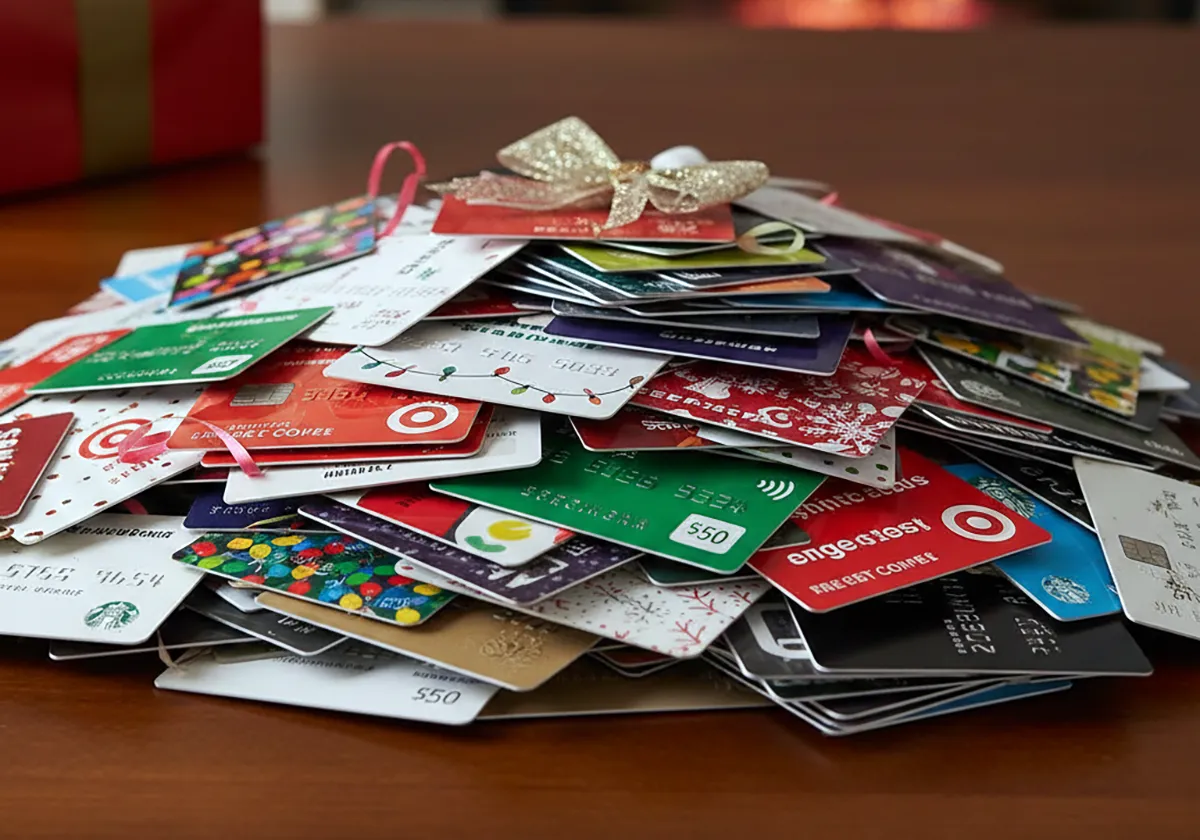
Avoid awkward or unsafe regifts: spot personalized, used, and perishable gifts to keep or donate instead.
Never regift personalized gifts, used or damaged items, opened cosmetics, safety gear with unknown history, leftover perishable food, and partly used gift cards. These items risk embarrassment, spoilage, or injury. Regifting means passing an unused gift you received to someone else who can use it.
The Emily Post Institute limits acceptable regifts to items that are not handmade or personalized. That boundary keeps many common gifts off the list.
Verification note: Program terms and availability can change. This page was checked against linked sources on November 02, 2026.
Which personalized and low-value items stay off the list?
Monogrammed, engraved, handmade, and custom-made pieces belong with the original recipient. They carry a name, date, or maker's intent that a new recipient will notice. Used, dusty, worn, or damaged goods also fail the test.
Take Charge America says only new, unused gifts in original packaging with all parts and manuals should be regifted, as described in Take Charge America's regifting rules. Partly used cards and freebies look tacky because prior use or low value is obvious. Keep them, use them, or donate them instead of wrapping them for someone else.
- monogrammed towels, engraved pens, or photo books
- open-box gadgets missing cords or manuals
- partly used gift cards with uneven balances
- free promotional products and swag-bag samples
Why skip opened beauty and personal-care products?
Opened lipstick, mascara, perfume, lotion, and similar items pick up bacteria and break down over time. The U.S. Food and Drug Administration warns that cosmetics stored warm or moist can spoil, as explained in FDA guidance on using cosmetics safely.
The FDA also advises marking the opening date to track age. Old or opened products can irritate skin and eyes. Regift only sealed, unexpired products with intact safety seals.
Which safety gear should never become a gift?
Never pass on a used child car seat with unknown crash history. Consumer Reports notes that protection drops after a crash and seats typically expire about six years after manufacture, according to Consumer Reports' used-product safety review. Used bicycle and sports helmets carry the same risk.
Sunlight and ozone degrade the plastic shell. One crash permanently reduces protection, and the damage may be invisible.
What food gifts are unsafe to regift?
Skip perishable homemade dishes, platters, and leftovers that sat out. The USDA instructs discarding meat, poultry, eggs, and casseroles left over 2 hours at room temperature, or 1 hour above 90°F, as detailed in USDA food safety basics. That rule covers holiday ham, take-home turkey, egg dishes, and potluck casseroles.
Sealed, shelf-stable treats are different. When timing or storage is unclear, do not wrap food for someone else.
How can you regift without causing harm?
Save regifting for new, complete, unexpired items that fit the new recipient. Check expiration labels, manuals, and recall databases before you wrap. Etiquette guidance from a Reader's Digest expert roundup treats these bans as guidance, not law, while safety limits vary by maker.
Regift outside the original giver's circle in fresh wrap with a new card. Remove old gift tags, receipts, and personal notes first.