What Is the Difference Between a Giveaway and a Sweepstakes?
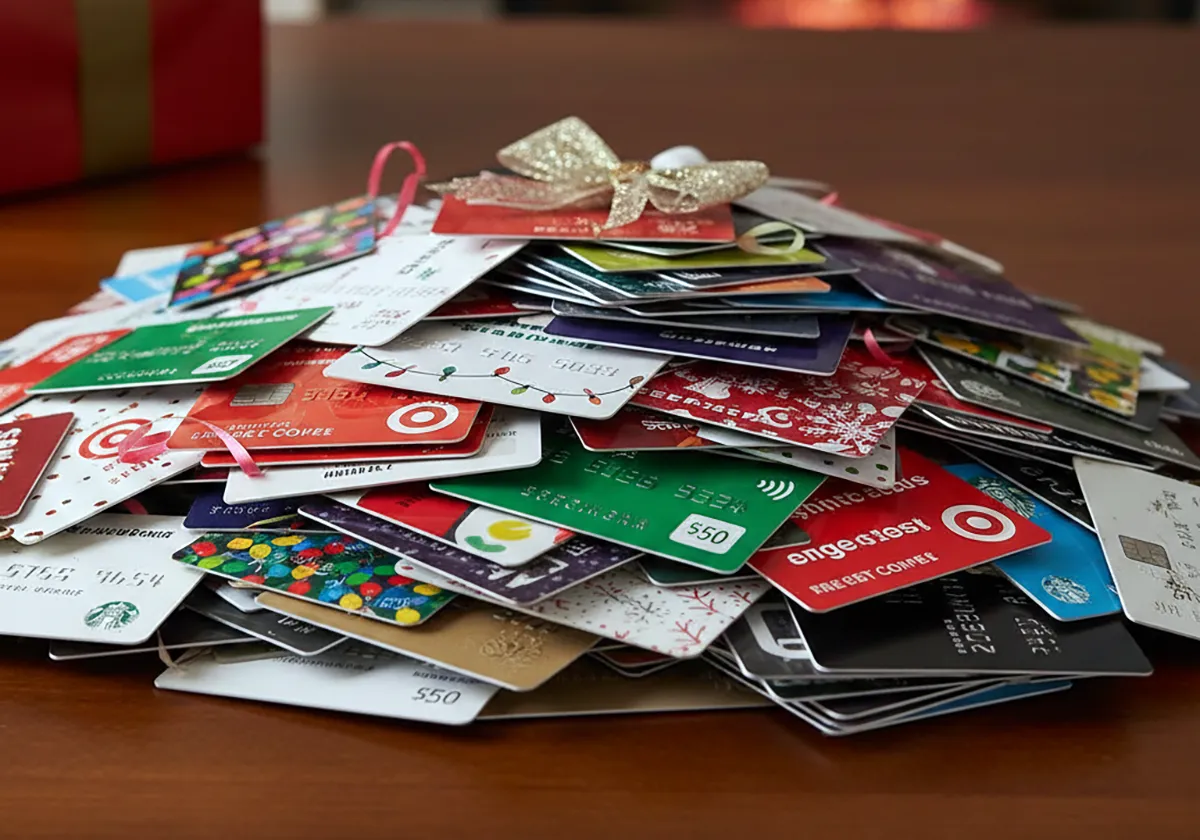
Random draw or judged skill decides entry rules — see what to check before you enter.
A giveaway is an informal marketing label for any prize promotion. A sweepstakes is the formal legal term for a prize promotion where winners are chosen purely at random. Most online giveaways that pick winners by random draw are legally sweepstakes.
The wording reflects presentation rather than different mechanics. Read the written rules to see how winners are picked and who may enter.
Verification note: Program terms and availability can change. This page was checked against linked sources on November 06, 2026.
Why both words exist
Brands often say giveaway because it sounds casual and engaging. Sweepstakes sounds formal because it comes from promotion law. The same offer can use both words in different places.
That can confuse readers, but the rules control. If entry is free and winners are drawn at random, the offer functions as a sweepstakes. Focus on the selection method, not the headline.
How prize, chance, and consideration decide the type
U.S. promotion law sorts offers by prize, chance, and consideration. Foley Hoag explains that prize plus chance with free entry is a lawful sweepstakes open to consumers in its no-purchase-necessary guidance.
Prize plus chance plus consideration — a purchase, fee, or substantial effort — is an unlawful private lottery. Sponsors must therefore remove consideration through free entry or an equivalent free alternative entry method. A contest is different because it removes chance.
Winners are judged on skill or merit against published criteria, such as best photo, recipe, or essay. That skill element is why contests can generally require effort-based entry steps.
What free entry means in practice
Free means you can enter without paying or buying. Many sweepstakes allow purchase-based entry and free mail-in or online alternative entry side by side. Both paths must have an equal chance to win.
Consideration can also include effort or personal data in some states. New York and Florida add registration and bonding rules above certain prize thresholds. Always check state eligibility, age limits, start and end dates, and entry limits in the rules.
What to check before you enter
Look for clear disclosure that no purchase is needed and buying does not improve your odds. The Federal Trade Commission required those disclosures after a major sweepstakes case led to an $18.5 million order on June 27, 2023, described in the FTC press release. Scan the rules for these points before you spend time or money: Keep a copy of your entry confirmation and the end date until winners are announced.
- random drawing or judged criteria, with drawing date stated
- free method of entry, with address or link and deadline
- eligibility limits for age, location, and one-per-person rules
- prize value, quantity, odds language, and how winners are notified