What Is a Skill-Based Contest Versus a Sweepstakes?
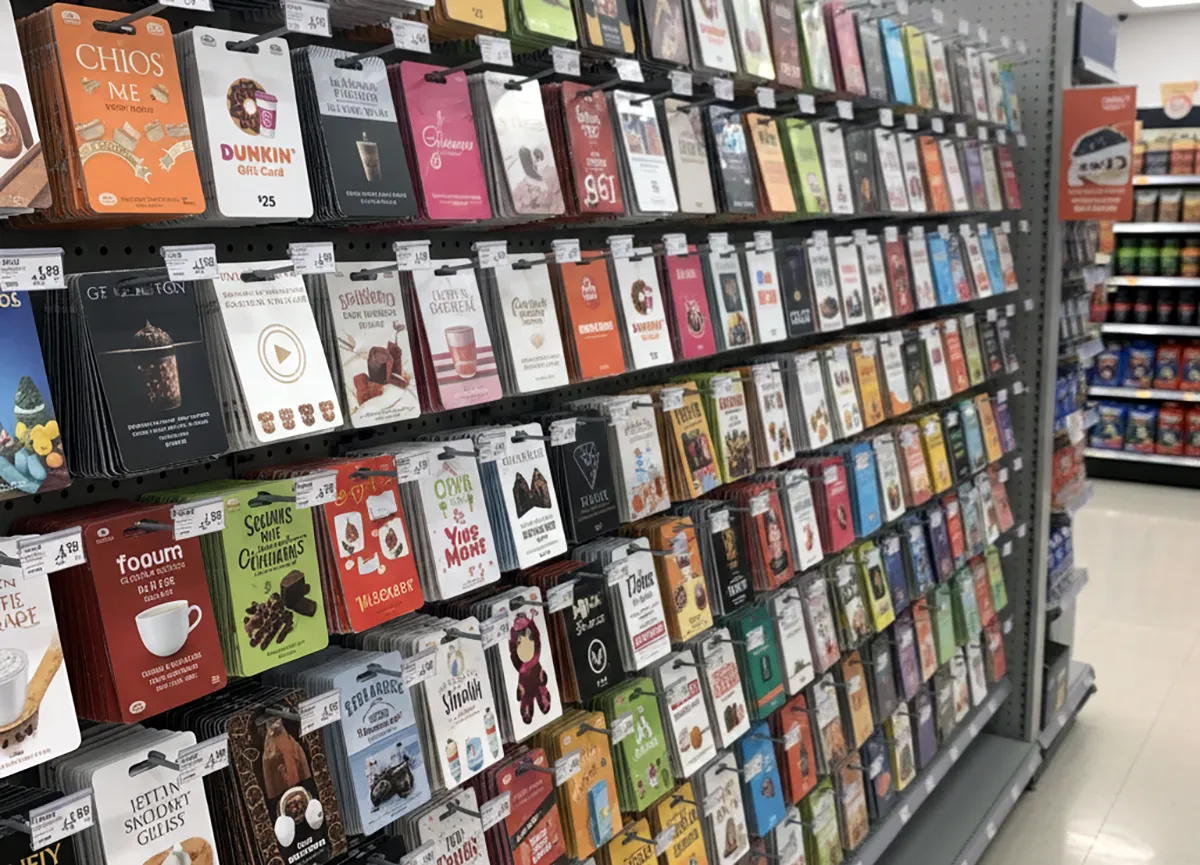
See how random drawings differ from judged contests and which entry terms to check before entering.
A sweepstakes picks winners by random drawing or chance. A skill-based contest picks winners mainly by ability under judged criteria. A private deal with prize, chance, and payment together is an unlawful lottery.
Sideman & Bancroft explains the split in its contests and sweepstakes guide: sweepstakes keep prize and chance but drop required payment, while skill contests keep prize and payment but drop chance.
Verification note: Program terms and availability can change. This page was checked against linked sources on November 06, 2026.
Why luck and payment set the label
Prize means something of value goes to a winner. Chance means luck decides who wins. Payment, called consideration, can mean cash, a required purchase, or substantial effort tied to entry.
A sweepstakes may charge nothing to enter or win. A skill contest may require a purchase or fee because judged ability, not luck, decides the result. Marketers reduce lottery risk by keeping only two parts of the triangle.
Foley Hoag guidance warns that forcing payment for a luck-based entry creates an unlawful lottery and draws added scrutiny.
What makes a sweepstakes a sweepstakes?
Winners must come solely from a random drawing or chance process. Entry cannot depend on buying a product, paying a fee, or paying to improve odds. Florida agriculture officials state that entrants must be able to enter or win without payment or purchase in Florida's game-promotion guidance.
In practice, many sponsors add a free mail-in or online entry path beside any purchase option. Before you enter, scan the rules for these points:
- no purchase necessary to enter or win
- free entry method with equal access and deadline
- who may enter, by age and location
- drawing date, prize count, and odds statement
What makes a contest a skill contest?
Winners must be decided predominantly by ability. Sideman & Bancroft says sponsors should use objective, weighted judging criteria applied by qualified judges. Common examples include photos, recipes, essays, videos, or coding entries scored on creativity and originality.
Vague picks based on a favorite or undefined merit do not meet that test. Judges should follow the published weights, such as 40 percent creativity, 30 percent originality, and 30 percent fit to theme. Ties need a stated tie-breaker, such as a second judge review or higher creativity score.
What disclosures and filings should you check?
Sponsors must tell the truth and disclose material terms. Sideman & Bancroft notes that contest sponsors reaching U.S. consumers must avoid unfair or deceptive ads and follow medium-specific postal and FCC rules.
Rules should appear in the ad in short form and in full in a conspicuous place. Florida guidance also calls for free winners lists on request, no predetermined winners, and no arbitrary rejection of entries. Larger chance promotions face state filing rules.
New York's Department of State notes registration and a $100 fee for covered product-tied promotions over $5,000 in its games-of-chance registration page. Florida requires filing at least seven days before launch for sweepstakes over $5,000, even by out-of-state sponsors open to Floridians, plus a bond or trust account unless the operator has five clean Florida years.