What Is a Local Business Referral Discount?
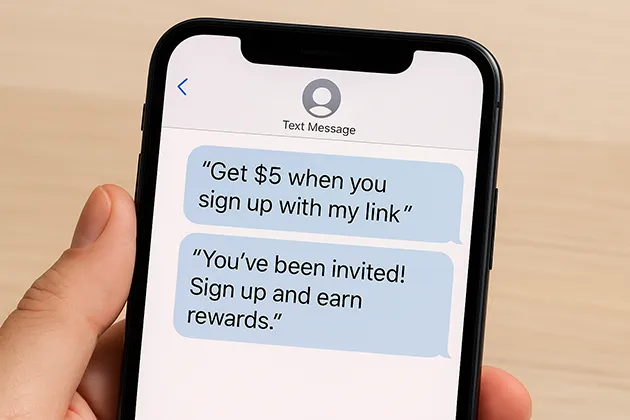
See how local refer-a-friend discounts divide savings, what terms limit them, and when disclosure or tax rules apply.
A local business referral discount is a reward for bringing a new customer to a neighborhood shop or service. It usually lowers the price by a set dollar amount or percentage, and the newcomer often gets a welcome discount too. The shop tracks the introduction through a code or link tied to the existing customer.
These offers help small shops gain buyers without broad advertising. For readers, the choice comes down to terms, timing, and whether both sides earn a reward.
Verification note: Program terms and availability can change. This page was checked against linked sources on November 03, 2026.
How do these rewards usually work?
Many programs pay only one side. Either the referrer earns the cut or the newcomer does. Two-sided programs reward both people for the same introduction.
The reward is not always a discount. Shops also use store credit, free products, cash, or gift cards. A salon might credit an account, while a repair shop trims a renewal bill.
Written terms control who qualifies and when credit issues. They also set expiration dates and use limits. Ask for those terms before you share a link.
Why do referrals carry weight?
Referred shoppers arrive with transferred trust. A suggestion from someone you know feels more direct than an ad. That trust shapes how the offer lands.
According to Nielsen, recommendations from people consumers know were the most-trusted channel. Its 2021 Trust in Advertising study covered about 40,000 consumers. It placed trust at 88-89%, as detailed in Nielsen's trust report.
A Journal of Marketing bank-customer study points to lasting value. It found referred customers worth at least 16% more than comparable others. A 2018 follow-up placed the lifetime-value gap at 16-25% from higher margins and lower churn.
What limits should you check?
Disclosure is a firm limit. Under the Federal Trade Commission's Endorsement Guides, 16 CFR Part 255, revised in 2023, a material connection that could affect credibility must be clearly disclosed. That includes a discount, free product, payment, or similar benefit, explained in the FTC endorsement guidance.
For readers, that means a post or message should state the incentive. A simple line about earning credit fits the rule. Clear wording keeps the recommendation honest.
Local terms add more limits. Check who qualifies, when credit issues, and when it expires. Also check caps on uses or referrals per account.
How do taxes treat the savings?
Tax treatment turns on whether you bought something. IRS Publication 525 treats a purchase-tied rebate or discount as a price reduction rather than income. That point is summarized alongside IRS rules on rebates and miscellaneous income.
A bonus for performing a referral service is different. Without a purchase, it is taxable miscellaneous income. Keep the notice or payment record for tax time.
Ask the shop how it classifies the payout. Save terms, dates, and amounts. Those notes make reporting simpler.