What Is a Holiday Layaway Plan and How Does It Work?
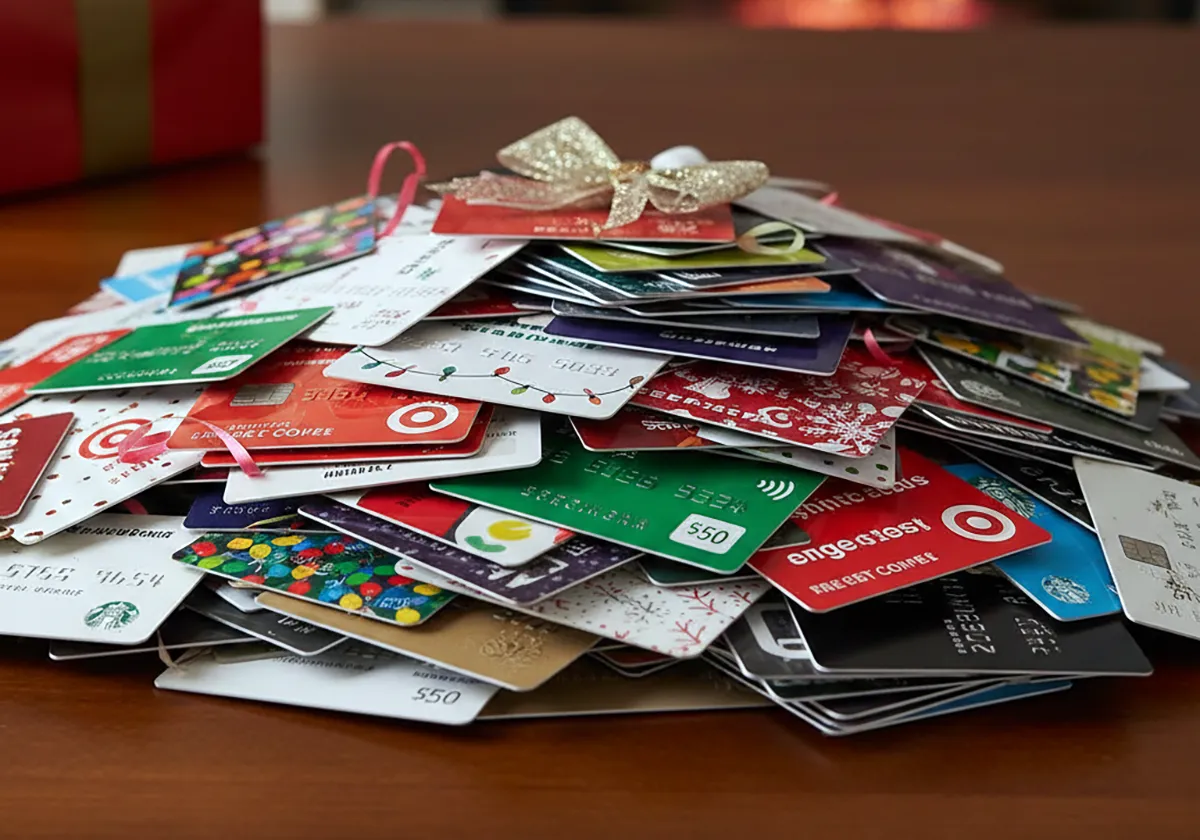
Learn how layaway holds holiday gifts during payments, plus deposits, fees and pickup rules to review.
A holiday layaway plan reserves selected merchandise at the store while you pay the price over time. You bring the items home only after the final payment clears. Shoppers typically start with a deposit, then make weekly, biweekly, or monthly payments until the balance is paid.
The Los Angeles County Dept. of Consumer and Business Affairs describes this payment pattern in its consumer advisory. That guidance also says shoppers should get the payment terms, schedule, fees, and refund rules in writing.
Verification note: Program terms and availability can change. This page was checked against linked sources on November 28, 2026.
How do holiday layaway payments work?
You select items for layaway and agree to a payment schedule with the store. Some promotions allow shoppers to start with no money down. Each payment lowers the balance while the store keeps holding the goods.
Burlington, for example, holds layaway merchandise for 30 days. It requires a minimum deposit of $10 or 20%, whichever is greater, plus a non-refundable $5 service fee. Burlington states in its layaway policy that canceled or late plans return the items to stock and add a $10 fee.
Refunds in those cases are issued as merchandise credit rather than cash.
- Place eligible items on layaway and pay the required deposit.
- Make each scheduled payment on time.
- Pick up the goods after the final payment clears.
What paperwork should you keep?
Ask for the full plan in writing before you leave the counter. Keep the receipt, payment schedule, and any notices about fees or cancellation. Track each payment date and the remaining balance.
Keep proof of every deposit until you pick up the merchandise.
How is layaway different from buy now, pay later?
The main difference is possession. USAA notes in its buy-now-pay-later guide that layaway keeps the purchase at the retailer until fully paid, while buy now, pay later lets the shopper take it home at checkout and repay afterward. That timing changes the debt picture.
The Consumer Financial Protection Bureau explains in its BNPL archive that a third-party lender generally pays the merchant upfront and the consumer repays that lender in installments. Layaway spreads payments too, but without giving you the item before it is paid.
What should you check before starting a plan?
Read the hold period, deposit, service fees, late rules, and refund method. A short hold or high fees can matter more than a low deposit. Compare the total fees with your holiday budget before you sign.
Set payment reminders so a missed deadline does not send your gifts back to stock.
- How many days will the store hold the items?
- What deposit and service fee are due at the start?
- What happens after a missed payment or cancellation?
- Will a refund come back as cash or merchandise credit?