What a Legitimate Holiday Sweepstakes Entry Looks Like
Learn the free-entry, published-rules, and no-fee checks that mark a real holiday drawing before you enter.
A legitimate holiday sweepstakes entry is free to submit and enters you in a drawing where winners are picked by chance. According to the Federal Trade Commission, federal guidance makes it illegal to require payment or purchase to enter or to raise your odds in federal guidance on fake prize scams. A sweepstakes is a promotion where entry gives only a chance to win, not a promised item or discount.
You enter during a stated entry period, and each entry carries the same chance.
Verification note: Program terms and availability can change. This page was checked against linked sources on November 05, 2026.
How does a real entry work?
No purchase necessary means you can take part without buying anything. It is different from free in a store sense because you still follow entry steps and entry limits. A chance to win means random selection after entry closes.
Buying more does not help, and paying to improve odds is not part of a legitimate entry.
What do the published rules show?
A legitimate entry is governed by published Official Rules. According to the Missouri Attorney General, those rules state the sponsor legal name and address, eligibility, entry period and limits, prize descriptions and values, drawing procedure, and odds in Missouri guidance on sweepstakes. Mail or online offers may also show a facts box with each prize, giveaway number, ending date, and estimated odds.
The box states that all entries have the same chance and buying does not help. A current sponsor example shows this pattern in practice. STIHL Incorporated of Virginia Beach names itself as sponsor, limits entry to specified U.S.
residents, defines a promotion period, and states that odds depend on entries received in STIHL sweepstakes Official Rules.
How do you know who runs it?
A real sponsor clearly identifies itself and gives an address or toll-free number. The Arizona Attorney General notes that real sponsors do not impersonate charities or agencies and have no need for bank, credit-card, or Social Security numbers to award a prize. Look for direct contact details on the same page or notice as the rules:
- sponsor legal name and mailing address
- entry-period dates and entry limits
- prize names and stated values
- how and when winners are drawn
What should you expect if you win?
Expect very long odds even in a real drawing. Missouri guidance uses about 1 in 100,000,000 for a large-prize example, so entry gives only an equal and very small chance. A real prize is also free to collect.
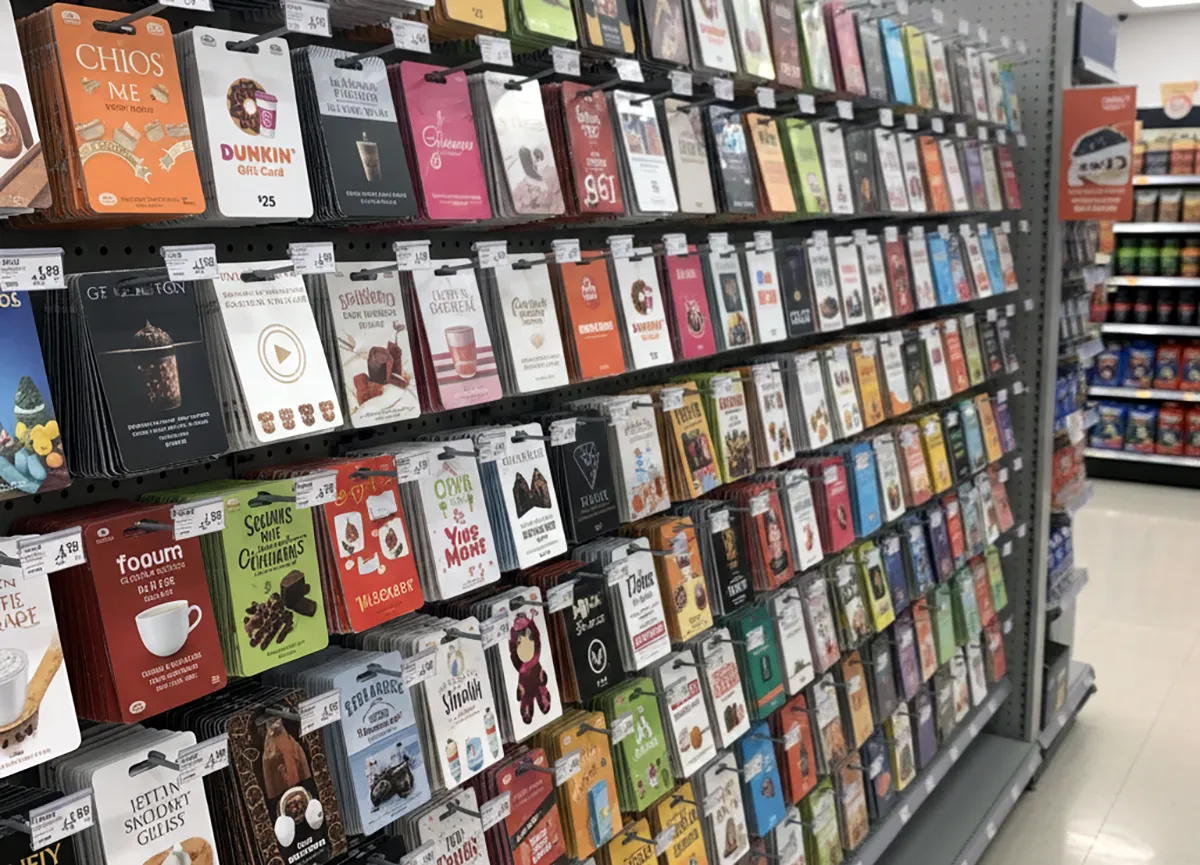
Do not pay upfront taxes, shipping, processing fees, customs duties, gift cards, wire transfers, or cryptocurrency to release winnings, and do not share financial data for a win notice. If a you-won message asks for money or account data, stop and keep the message. According to the U.S.
Department of Justice, consumers should report it to the FTC at ReportFraud.ftc.gov and to the state attorney general in federal guidance on reporting fraud.