Travel Prize Taxes, Resort Fees, and Other Costs Winners May Still Pay
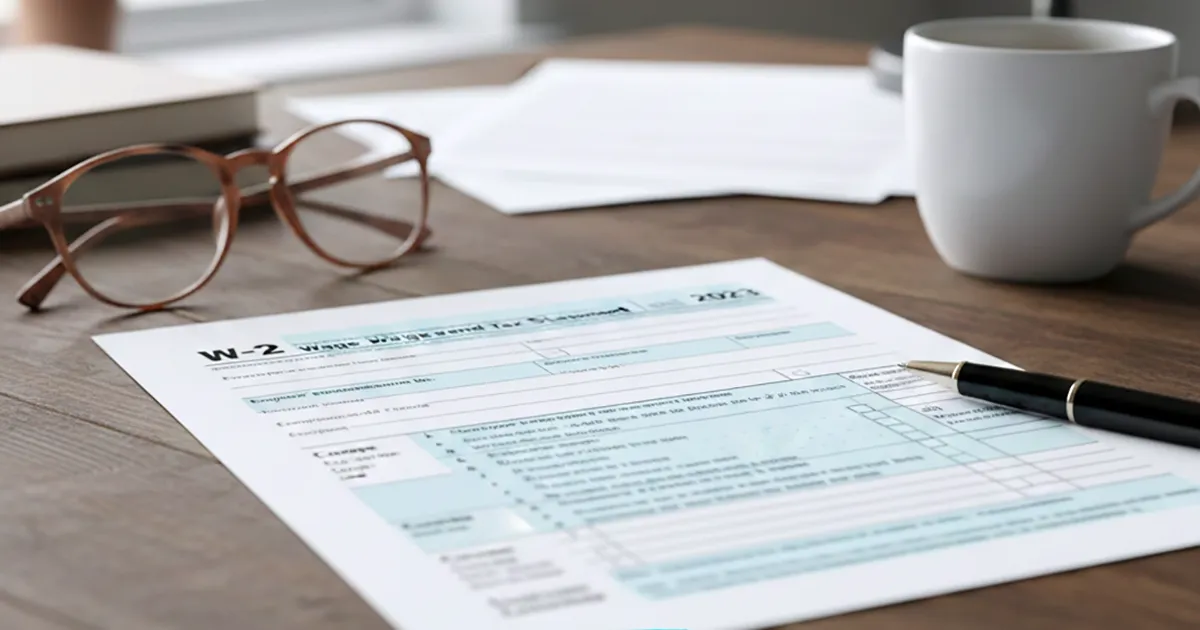
See what taxes, hotel fees, and trip extras can come with a travel win before you accept it.
Winners may still owe income tax on a travel prize and pay resort fees plus other trip costs out of pocket. The Internal Revenue Service says cash prizes and the fair market value, or what a trip would sell for, from drawings and contests count as taxable income to include on the return IRS fact sheet on miscellaneous income. A chance to win is not the same as free travel.
Sponsors often assign an advertised prize value, report it as income, and leave many travel extras to the winner.
Verification note: Program terms and availability can change. This page was checked against linked sources on October 01, 2026.
Do you owe tax on a travel win?
The Internal Revenue Service treats merchandise prizes the same way as cash for income purposes. That includes trips won in drawings, quiz shows, beauty contests, and other events. The same principle applies when a trip comes through a raffle, lottery, horse race, or casino.
The Internal Revenue Service says those winnings are gambling income, including cash plus the fair market value of noncash prizes such as cars and trips, and all winnings must be reported even without a Form W-2G IRS guidance on gambling winnings. Approximate retail value is the sponsor's estimate of prize worth. Taxable value turns on fair market value, so keep the rules notice and any award letter with your tax records.
How is the prize value reported and withheld?
Payers use information forms to tell both you and the tax agency what was paid. One national vacation-giveaway ruleset warns that winners of $600 or more in prizes in a year will receive an IRS Form 1099 and that the reported retail value may differ from the advertised value. For certain gambling winnings, the Internal Revenue Service instructions require a Form W-2G based on game type and amount.
Those instructions also require 24% withholding when winnings minus wager exceed $5,000, and 24% backup withholding when the winner does not furnish a taxpayer identification number. Gambling losses do not cancel winnings directly on the return. The Internal Revenue Service allows a loss deduction only for taxpayers who itemize on Schedule A with records, limited to reported winnings.
Will you pay resort or destination fees?
Lodging must show the full mandatory price upfront. The Federal Trade Commission says its rule effective May 12, 2025 bars bait-and-switch lodging pricing and requires hotels and short-term-lodging sellers to disclose the total price, including all mandatory fees, before you pay FTC announcement on the fee disclosure rule. A disclosed total still can include a separate resort or destination charge.
Marriott states that daily destination and resort fees are mandatory, charged in addition to the room rate, and payable to the property during the stay. Read the prize description for nights, room type, dates, and whether fees are covered. If the prize covers only the room rate, plan to pay any daily property fee yourself.
What other trip costs fall to you?
Travel-sweepstakes sponsors commonly make the winner solely responsible for all taxes plus unspecified costs such as ground transportation, meals, gratuities, airport and security fees, and travel insurance, while reporting the prize's approximate retail value as income Bravo rules for a Hawaiian getaway sweepstakes. That list matters because small items add up across a trip. Airport transfers, resort parking, checked bags, meals outside the prize, tips for housekeeping and drivers, and insurance can total several hundred dollars.
Check what the prize excludes before you accept:
- airfare limits, airline choice, baggage, and seat fees
- transfers, rental car, fuel, parking, and tolls
- meals, drinks, gratuities, and daily hotel charges
- documents, airport and security fees, and travel insurance
How to decide before you accept?
Compare the reported value with your likely cash costs. A $2,000 trip value can still require cash for taxes, fees, meals, and transport, so ask whether you can cover those costs in the travel window. Ask the sponsor in writing what is covered, the travel dates, blackout rules, and whether cash can substitute.
If the dates are fixed, confirm time off, child care, passport needs, and whether a companion pays their own airfare or taxes. Keep every prize notice, Form 1099 or W-2G, and receipts for required spending. Share them with your tax preparer to report the correct amount.