Thanksgiving Leftovers Pets Can and Cannot Eat
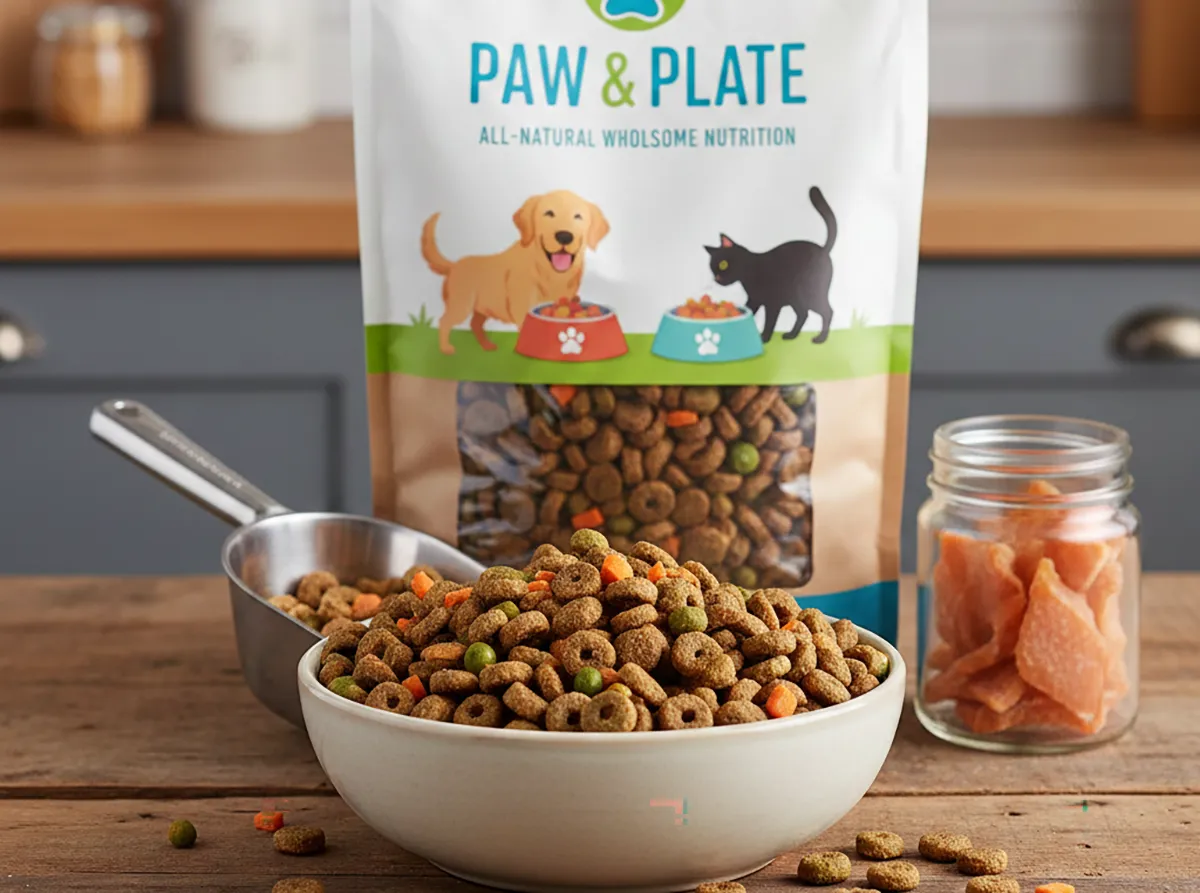
Learn which turkey scraps and sides are safe for pets and which holiday foods need a vet call fast.
Dogs and cats can eat tiny portions of plain, cooked, boneless, skinless turkey breast and plain pumpkin or green beans. They cannot eat bones, skin, gravy, onion, garlic, grapes, raisins, chocolate, caffeine, or xylitol. Thanksgiving plates mix safe bites with foods that harm pets.
Small amounts matter because rich scraps and seasonings can sicken animals fast. Individual sensitivity varies, so safe shares stay tiny treats, not meals.
Verification note: Program terms and availability can change. This page was checked against linked sources on November 14, 2026.
What Turkey Can Pets Share?
Small portions of plain, fully cooked, boneless, skinless turkey breast are generally considered the safest Thanksgiving share for dogs and cats. Cornell University College of Veterinary Medicine notes this in its holiday hazards guide for cats. Remove all skin, seasoning, gravy, and bones before sharing.
Serve only a bite or two at room temperature. Keep the rest of the meal for people.
Why Do Skin, Fat, and Bones Hurt Pets?
Fatty scraps such as turkey skin, fat trimmings, drippings, and gravy can cause stomach upset and pancreatitis. Pancreatitis is a painful, potentially life-threatening disease. It can start even after small amounts.
Cooked poultry bones can splinter and choke pets. Pieces can lodge in the throat, stomach, or intestines and cause blockage or internal injury. The U.S.
Food and Drug Administration Center for Veterinary Medicine warns about both fatty foods and bones in its holiday hazards update for dogs and cats. Signs of bone injury are sometimes delayed, so watch the pet closely.
Which Stuffing and Dessert Ingredients Are Toxic?
Many holiday flavors hide in stuffing, gravy, salads, and desserts. ASPCA Animal Poison Control reports onion, garlic, chives, and leeks in any form can irritate the gut and damage red blood cells in dogs and cats, with cats more at risk, as described in its people-foods guide for pets. Raw, cooked, powdered, or mixed forms all count.
That includes stuffing, broth, and gravy made with onion or garlic. Pet Poison Helpline notes grapes, raisins, and currants can cause severe, potentially fatal kidney failure in dogs, with no safe amount. Chocolate, coffee, and caffeine hold theobromine and caffeine, which dogs and cats process slowly and which can cause vomiting, fast heart rate, tremors, or seizures.
Darker chocolate is more dangerous. Xylitol can cause a rapid blood-sugar drop within 30 minutes and liver failure in dogs.
- Stuffing, gravy, or broth with onion, garlic, chives, or leeks
- Stuffing, salads, or desserts with grapes, raisins, or currants
- Chocolate desserts, coffee desserts, or caffeinated drinks
- Sugar-free candy, gum, baked goods, or some peanut butters with xylitol, also labeled birch sugar
Which Plain Vegetables Are Lower-Risk?
Plain peeled cooked sweet potato, pumpkin, green beans, carrots, and potatoes in small unseasoned portions are lower-risk treats. Morris Animal Foundation lists these plain options for the holidays. Holiday cooking often makes them unsafe.
Butter, cream, sugar, salt, onion, garlic, and pie spice turn a plain vegetable into a risky dish. Share only food cooked plain for the pet, without toppings or seasoning.
What Should You Do After a Bad Bite?
Keep portions tiny and stop sharing if the pet has a sensitive stomach. Do not feed table scraps as a meal. Clear plates fast so pets cannot steal bones or desserts.
If a pet eats bones, fatty food, onion or garlic, grapes, chocolate, or xylitol, act promptly. Pet Poison Helpline advises contacting a veterinarian or calling ASPCA Poison Control at 888-426-4435 or Pet Poison Helpline at 855-764-7661 promptly, as noted in its Thanksgiving pet safety tips.