Should You Use a Debit or Credit Card on Black Friday?
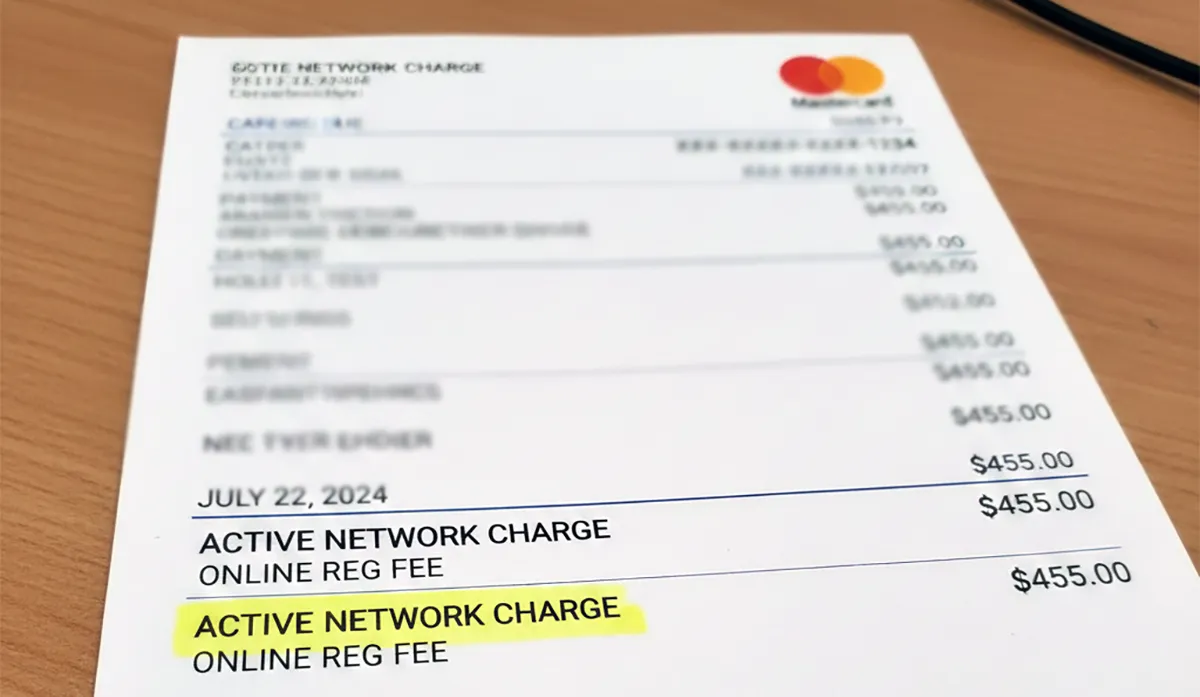
Use credit for Black Friday checkout to protect your checking balance and simplify disputes over missing orders.
Use a credit card for Black Friday shopping if you can pay the balance in full. It offers stronger federal rights when orders go wrong and keeps disputed dollars out of your checking account. A debit card still works, but it pulls cash at once and carries tighter fraud deadlines.
A billing error is the federal term for a missing order, a wrong amount, or a charge you did not approve. Holiday sales bring rushed checkout, unfamiliar sellers, and delivery delays. That mix makes the payment choice matter.
Verification note: Program terms and availability can change. This page was checked against linked sources on November 04, 2026.
Why is credit safer for orders that never arrive?
The Federal Trade Commission advises shoppers to pay by credit card for stronger protection. Its Federal Trade Commission guidance on missing online orders explains that an undelivered online order can be disputed as a credit billing error. It notes that debit protections are different and may not offer a non-delivery refund.
The Consumer Financial Protection Bureau says credit billing errors include missing, undelivered, wrong-amount, or unauthorized charges. Shoppers must dispute in writing within 60 days of the first statement showing the error. Issuers must acknowledge within 30 days and resolve within two billing cycles, up to 90 days, under federal credit-card billing-error rules.
What makes debit riskier on Black Friday?
The Office of the Comptroller of the Currency explains that debit purchases take money directly from checking. Credit purchases draw on a credit line instead. That direct withdrawal can lower available cash right away and trigger overdraft fees, according to the federal comparison of debit, credit, and gift cards.
The Consumer Financial Protection Bureau sets three tiers for unauthorized debit transfers. Report within two business days of learning of loss or theft to limit liability to $50. Report later, but within 60 days after the statement, to limit liability to $500.
Wait longer and the loss can grow, under federal debit-card liability limits.
How long does getting money back take?
The Consumer Financial Protection Bureau says debit investigations should generally take 10 business days. Banks may take up to 45 days, sometimes 90 days, if they first add a provisional credit for the disputed amount. Credit disputes can take two billing cycles, but shoppers do not need to pay the disputed charge during the review.
Visa says cardholders will not be held responsible for unauthorized credit- or debit-card charges made online or offline. It calls for issuers to replace taken funds within five business days of notice. The policy excludes certain commercial cards, anonymous prepaid cards, and transactions not processed by Visa, and it requires prompt notice, careful card protection, and investigation of the claim.
How should you pay at checkout?
Use credit for online orders, large purchases, and sellers you have not used before. Use debit only for small, in-person buys when you need strict spending control. Never use debit to chase a discount you cannot repay on a credit card.
Interest can erase Black Friday savings fast, so set a spending cap before you shop. Check your statements on Saturday morning and report any charge you do not recognize that same day.
- Pay the credit balance in full to avoid interest.
- Save order confirmations, tracking numbers, and receipts.
- Watch checking and card statements through delivery week.
- Report a lost card or unknown charge the same day you see it.