Should You Buy Gift Cards From Third-Party Resale Sites?
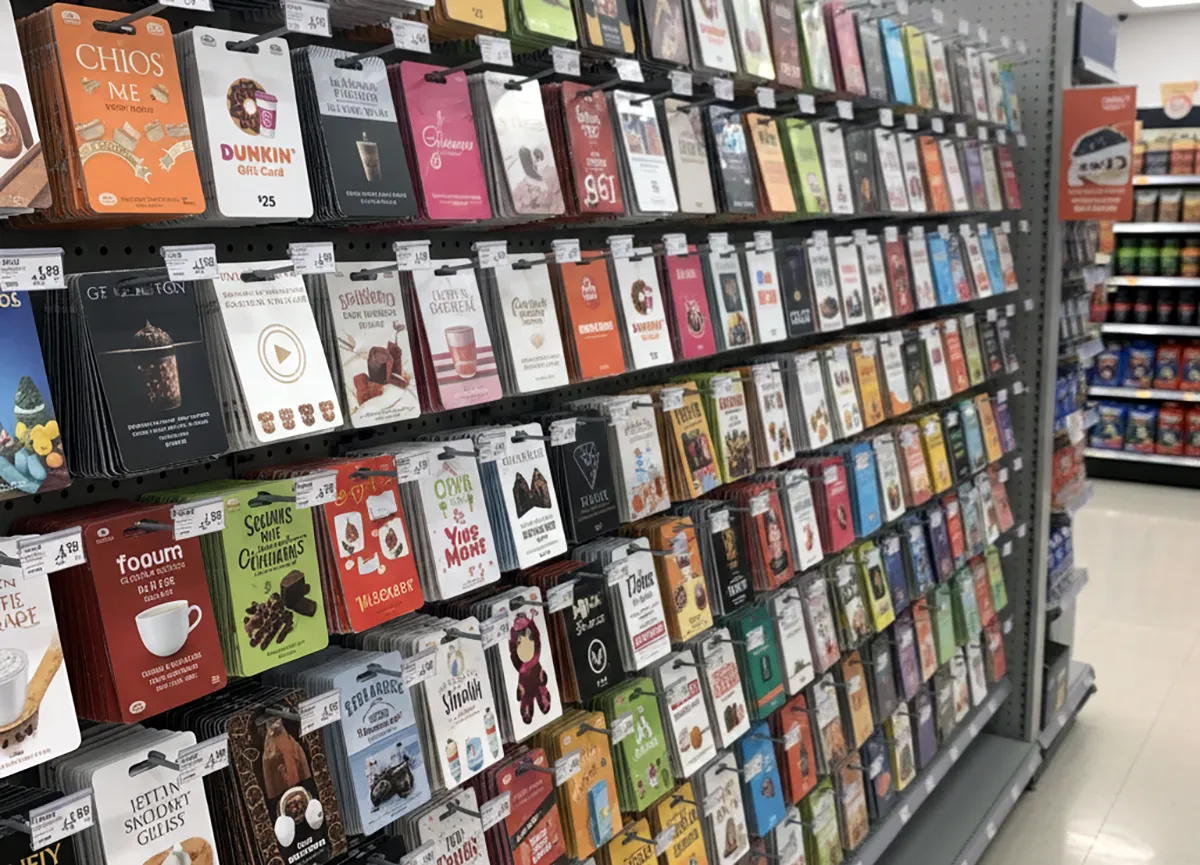
Compare resale risks, 45-day and 1-year protection limits, and quick checks before you buy discounted cards.
You can buy from third-party resale sites for small personal purchases you will use quickly, but skip them for gifts or large balances. The small discount is rarely worth the added risk of a drained or canceled balance. Third-party resale sites buy unwanted gift cards from sellers and resell them below face value.
In 2024 consumers filed 41,120 fraud reports naming gift or reload cards as payment, totaling $212 million in losses, according to the Federal Trade Commission in its 2024 fraud data book.
Verification note: Program terms and availability can change. This page was checked against linked sources on November 03, 2026.
Why Are Resale Cards Riskier?
A resale card can lose value even when the code works at first. CardCash states the two most common reasons are purchase with a stolen credit card later canceled by the issuer, and reuse of the number by the original owner after sale. Payment demands using gift cards add another risk for shoppers.
The Federal Trade Commission warns that only scammers tell you to buy a gift card and share numbers off the back, and no real business or government agency will demand payment that way.
What Does Short-Term Coverage Actually Do?
CardCash covers each card for the stated amount for only 45 days from purchase, as described on its guarantee terms. You must report a balance problem inside that window to receive a refund for the difference, so you need to verify and spend balances quickly. Raise provides longer money-back coverage for the purchase price when a card arrives inactive, shows the wrong balance, arrives as the wrong brand, or never arrives as a physical card within 30 days, according to Raise in its return policy.
That coverage pays price only, not discounts or Raise Cash. After those windows close, buyers have weaker recourse. The Consumer Financial Protection Bureau notes that gift certificates, store gift cards, and cards marketed as gifts lack the Regulation E error-resolution and limited-liability protections that apply to reloadable prepaid accounts.
How Long Should the Balance Last?
Federal rules give legitimate cards a long shelf life. Covered gift-card funds cannot expire sooner than five years after issuance or last load, and dormancy or inactivity fees are barred for the first 12 months, according to the Consumer Financial Protection Bureau in its gift-card explainer. That long life does not restore a drained resale balance.
If a prior owner spends the funds or an issuer cancels the original purchase, the card may show zero long before five years pass.
How Can You Lower Risk If You Buy?
Buy only a small amount for a store you will use within days. Treat the protection window as your spending deadline, not the expiration date printed on the card. The Montgomery County District Attorney advises buyers to buy from trusted retailers and inspect packaging and PIN covers because thieves can copy display-rack numbers and drain balances after activation.
Check a resale balance immediately and use it before coverage ends.
- Check the balance on the issuer site the same day it arrives
- Spend the full amount before the 45-day or claim window ends
- Inspect packaging and PIN covers on physical cards before activating
- Never share card numbers or PINs to pay someone who demands them
- Keep receipts and screenshots until the balance is fully used