New Year Gift Card Deals: How to Use Leftover Holiday Cards
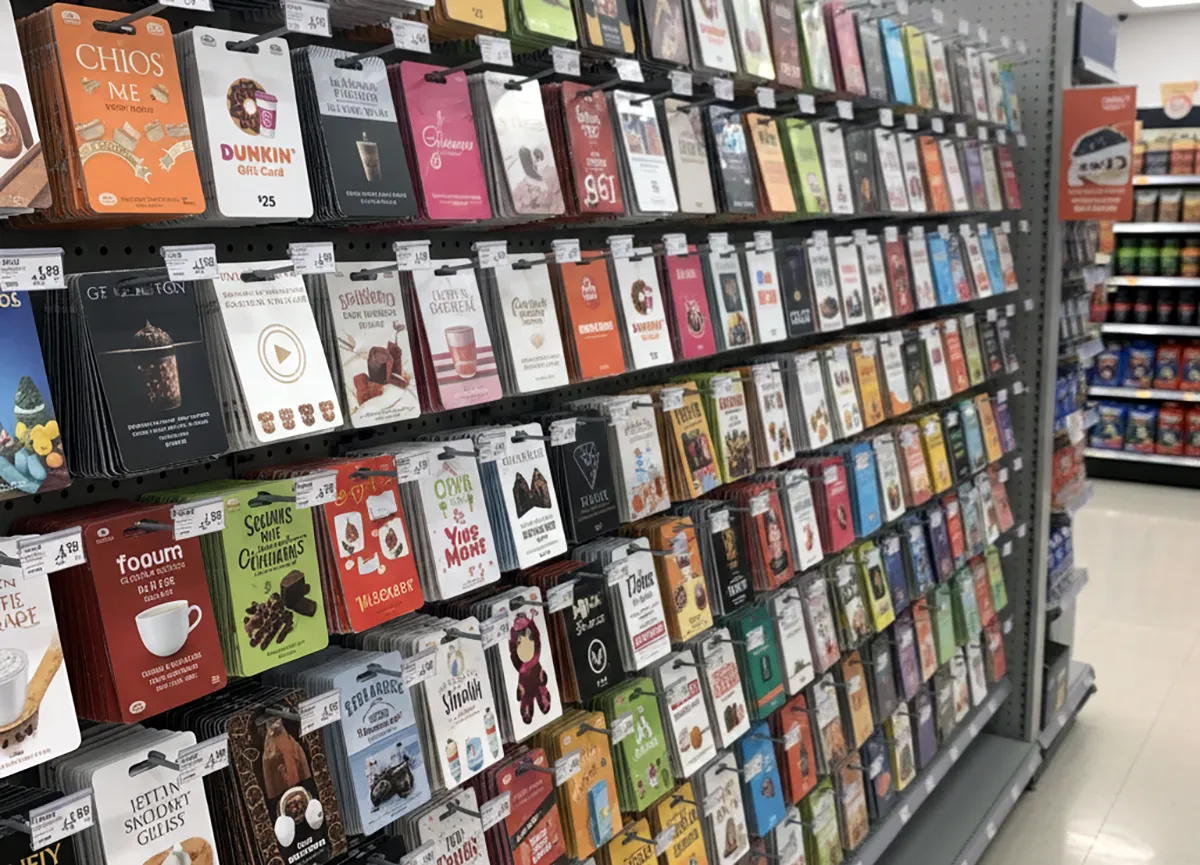
Check balances, beat fees, and stretch small gift card amounts on groceries, fuel, and January sales.
Use leftover holiday gift cards in January by checking each balance and spending small amounts on groceries, fuel, or post-holiday sales. Ask the cashier to split payment between gift cards and cash so low balances still count. Gift cards were the second-most-popular 2025 holiday gift, with U.S.
spending expected at $29 billion, the National Retail Federation reports in its shopping update.
Verification note: Program terms and availability can change. This page was checked against linked sources on November 03, 2026.
Take inventory before January sales
About 43% of U.S. adults held at least one unused gift card, voucher, or store credit in August 2024. Bankrate, using a YouGov survey of 2,373 adults, put the average at $244 per holder and about $27 billion nationwide.
That backlog makes January a practical time to gather every card in one place. Check each balance and read the terms now, then sort cards by where you already shop. Wisconsin consumer agency DATCP advises this early check in its gift-card guidance.
Use near-term cards first and keep store-specific cards with your shopping list.
- Pull out physical cards and search email for digital codes.
- Write the balance and expiration note on each envelope.
- Prioritize grocery, fuel, and post-holiday clearance purchases.
How long will the money last?
Funds on most purchased gift cards must remain valid for at least five years after issuance or the last reload. The Pew Charitable Trusts, summarizing the Federal Reserve rule, explains that protection in its summary of Regulation E. Expiration terms must be clearly disclosed on the card itself, according to Wisconsin agency DATCP.
Reward or promotional cards given without payment can expire sooner than purchased cards. Read the back of the card and any enclosed terms before you assume a date.
Will fees reduce the balance?
Issuers may charge dormancy, inactivity, or service fees only after a card has gone unused for at least one year. Wisconsin agency DATCP notes the limit is no more than one such fee per month, with clear disclosure. An untouched December gift is therefore not losing value in January.
Check the disclosure for fee timing and keep receipts for cards with fees. If a fee appears earlier than disclosed, contact the issuer and keep a record. Spending promptly avoids the issue entirely.
What can you do with small balances?
California requires merchants to redeem a qualifying single-merchant gift certificate for cash when its balance falls below $15 upon request. That cash-back right appears in California Civil Code Section 1749.5, shown in the state code text. The same California provision excludes loyalty, award, promotional, donated, and certain perishable-food certificates that meet specific disclosure conditions.
Other states have different thresholds, so check the law where you redeem. For most shoppers, the simplest move is to apply small balances to groceries, fuel, or sale items and ask the cashier to split payment across cards and cash.