Kwanzaa Giveaways: What to Know Before You Enter
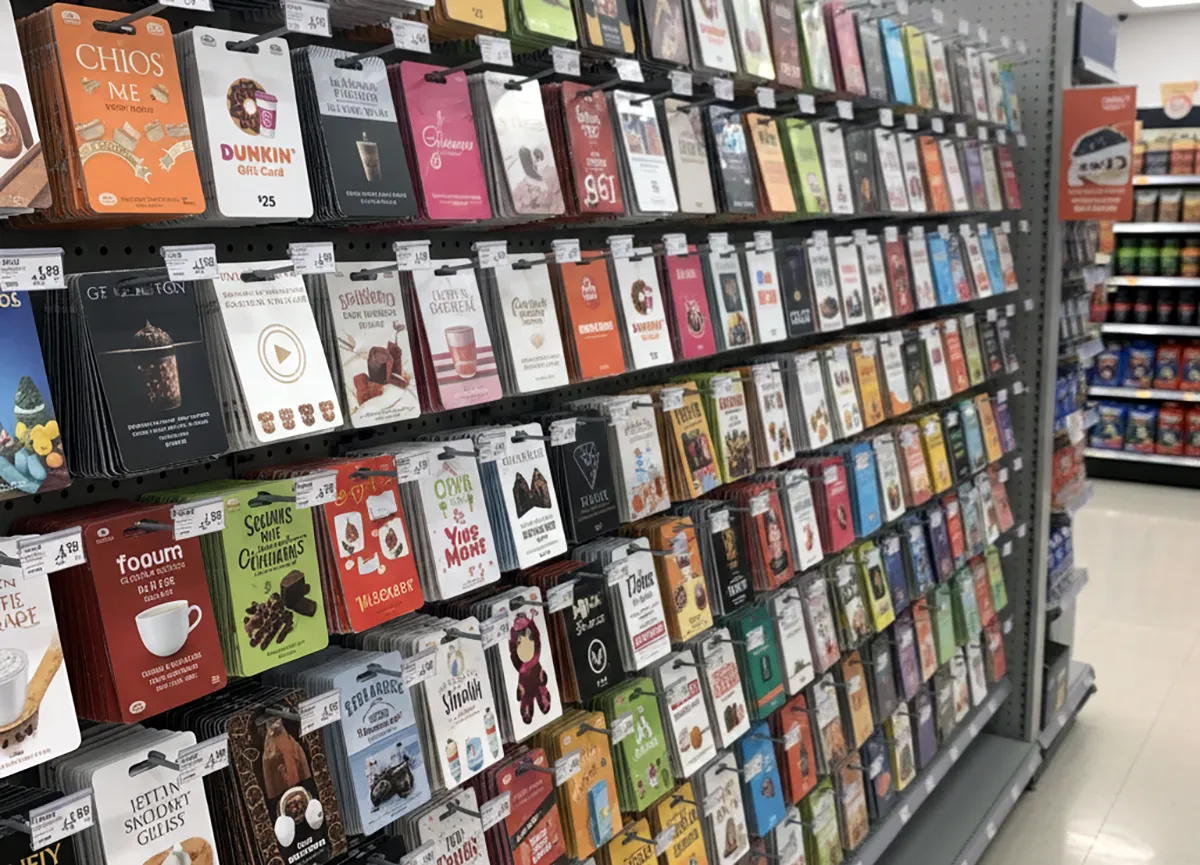
Confirm age limits, supply caps, and pickup rules before you enter a Kwanzaa giveaway.
Kwanzaa giveaways are usually free community distributions tied to the holiday, not national sweepstakes. Check the date, location, age limit, and supply cap before you go. Kwanzaa is a week-long celebration of African heritage and culture observed December 26 to January 1.
The Smithsonian National Museum of African American History and Culture describes it as organized around seven principles including unity, self-determination, collective work, cooperative economics, purpose, creativity and faith.
Verification note: Program terms and availability can change. This page was checked against linked sources on November 02, 2026.
What these giveaways usually offer
Past library programs show the pattern. Children and teens under 18 received a bagged lunch and gifts after performances at the Free Library's December 26, 2025 event listing, according to the Free Library's December 26, 2025 event listing. Another program capped supplies sharply.
The first 75 registrants received a craft kit for African textiles plus two mystery book giveaways, according to the Dallas Public Library's celebration page. Treat these as distributions with limits, not drawings. A guaranteed bag or kit goes to people who qualify and arrive in time, while a chance to win leaves most entrants with nothing.
How to confirm this year's details
Dates shift each year and supplies run out. Confirm the street address, program time, registration link, and pickup rule on the host library or cultural center page. Note age, residency, and registration limits beside the benefit.
One past event served only children and teens under 18, and another limited kits to the first 75 registrants. Do not convert a prior-year flyer into a current plan. If the host has not posted 2026 hours and rules, wait for an update rather than traveling.
How to spot a prize trap
Free entry is different from no purchase necessary. A store or text sweepstakes can still ask for entry details, limit entries, and award only selected winners. Real prizes never require payment to claim.
The Federal Trade Commission warns that a demand for taxes, shipping, processing fees, gift cards, wire transfers, cryptocurrency, bank details or Social Security number to release a prize signals a prize scam, according to the FTC's fake prize and sweepstakes guide. Use these checks before you pay or share:
- Stop if you must pay, send cards or crypto, or share bank or Social Security details.
- Contact the named library, school, or cultural center through its own posted phone or address.
- Report the message to the FTC at ReportFraud.ftc.gov and tell a family member.
What winners need to track for taxes
Cash and merchandise both count. U.S. winners must report gambling and raffle winnings as income, including cash plus the fair market value of noncash prizes such as cars and trips, according to IRS Topic No. 419. Save the win notice, prize value letter, and Form W-2G or 1099 if issued. Even without withholding documents, the amount still belongs on the return.
Small community bags and books rarely trigger forms, but larger raffle prizes can. Ask a tax preparer how to value travel, tickets, and merchandise.
Frequently Asked Questions
Are Kwanzaa giveaways sweepstakes?
Many are in-person distributions with set supplies and eligibility rules, not chance drawings. Read the host notice to see whether everyone who qualifies receives an item or only selected winners do.
Do I need to pay to enter or claim?
No. Do not pay fees, send gift cards or crypto, or share bank or Social Security details to release a prize. Report demands like these to the FTC at ReportFraud.ftc.gov.
Are prizes taxable?
Cash and noncash winnings generally count as income, including the fair market value of items such as trips. Keep win letters and tax forms and report the amounts.