Is a Gift Card a Good Secret Santa Present?
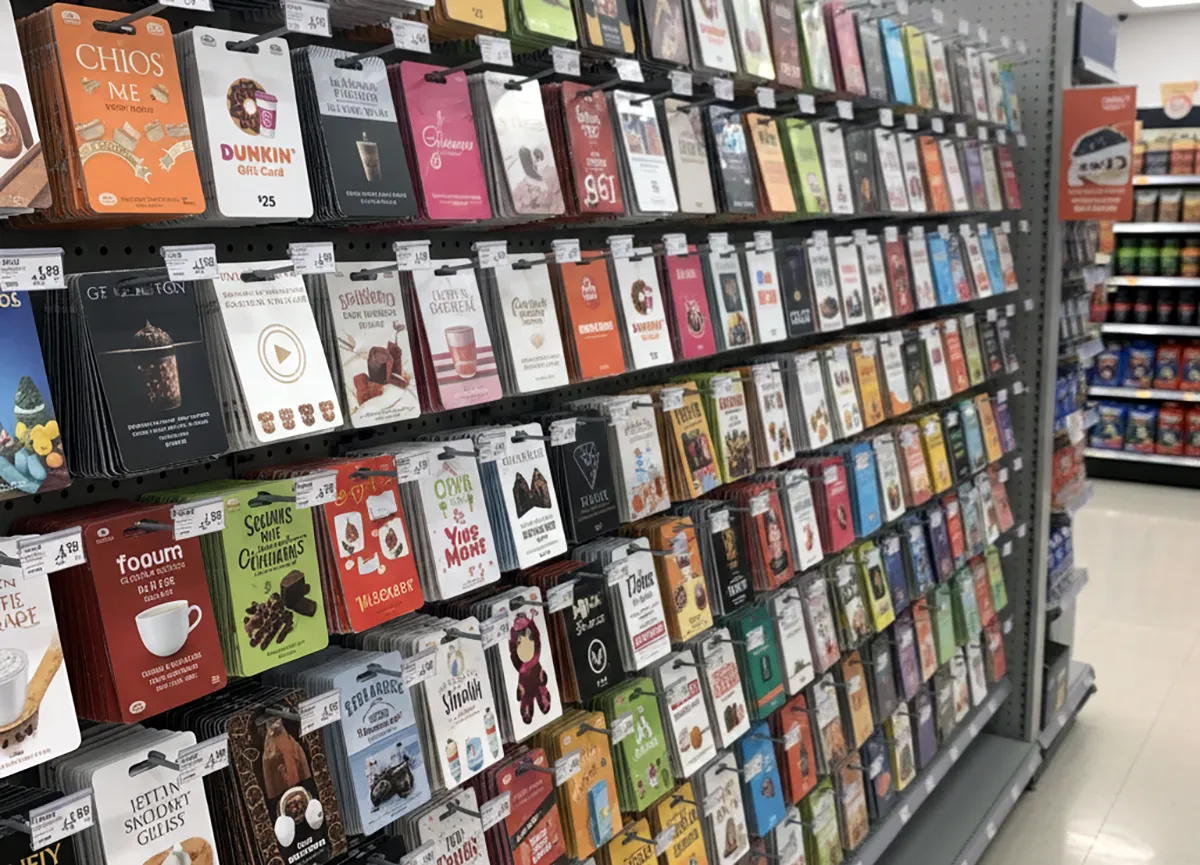
Learn which card types fit price limits, how long funds last, and how to help your recipient use the full value.
Yes, a gift card is a good Secret Santa present for most coworker, friend, and classroom exchanges. Secret Santa means each person draws one name and buys an anonymous gift within a set dollar limit. It works because the giver can match the limit exactly and the recipient can choose something useful.
According to the National Retail Federation, about 47-50% of shoppers say they would like to receive a gift card, ahead of clothing, books and media, beauty, and electronics, as reported in National Retail Federation holiday shopping research.
Verification note: Program terms and availability can change. This page was checked against linked sources on November 23, 2026.
Why does it fit Secret Santa rules?
Gift cards fit fixed spending limits because givers choose a set denomination. That helps in office and large-group exchanges where everyone must spend the same amount. The National Retail Federation expected 43% of shoppers to give gift cards, with total spending of about $29.1 billion.
That widespread use also makes a card feel normal rather than impersonal in an anonymous exchange.
Which types work when you do not know the person?
For an unknown recipient, choose a card with many redemption options. Restaurant cards are the most commonly purchased type at 27%, followed by bank-issued cards at 25%, department stores at 25%, and coffee shops at 20%, according to National Retail Federation gift-card buying data. A bank-issued card can work in many stores and for online purchases.
A restaurant, department-store, or coffee-shop card works when you know the person's general habits but not sizes, scents, or tastes.
How long does the value last?
Federal protections support the recipient after the exchange. The Federal Deposit Insurance Corporation explains that purchased gift-card funds cannot expire sooner than five years after issuance or the last reload, as described in FDIC gift-card guidance. Issuers also cannot charge dormancy, inactivity, or service fees unless the card has had no activity for at least 12 months, the fees are disclosed, and no more than one such fee is charged monthly, under guidance from the Consumer Financial Protection Bureau.
Readers should still check the card terms for purchase fees, reload rules, and loss policies.
What is the main drawback?
The main drawback is non-use. Bankrate's Aug. 19-21, 2024 YouGov survey of 2,373 U.S.
adults found 43% held unused gift cards, vouchers, or store credit averaging $244 per holder, or about $27 billion nationally, as reported in Bankrate gift-card survey results. In the same survey, 34% of adults had lost gift-card money by letting a card expire, losing it, or having the store close. That means a narrow store card carries more risk than a versatile card the recipient can use soon.
How can you give one so it gets used?
Pick a familiar retailer, restaurant, or bank-issued card instead of a niche shop. Give the card promptly and include the receipt and terms so the recipient can replace a lost card or ask about the balance. Use these quick checks before wrapping it:
- Match the exact exchange amount and confirm any purchase fee.
- Inspect the packaging for tampering and keep the store receipt.
- Add a short note with where the card can be used and its expiration terms.
- Remind the recipient that no real business or government agency will ask for payment by gift card, a warning emphasized by the Federal Trade Commission.