How to Track Holiday Spending So You Don't Overspend
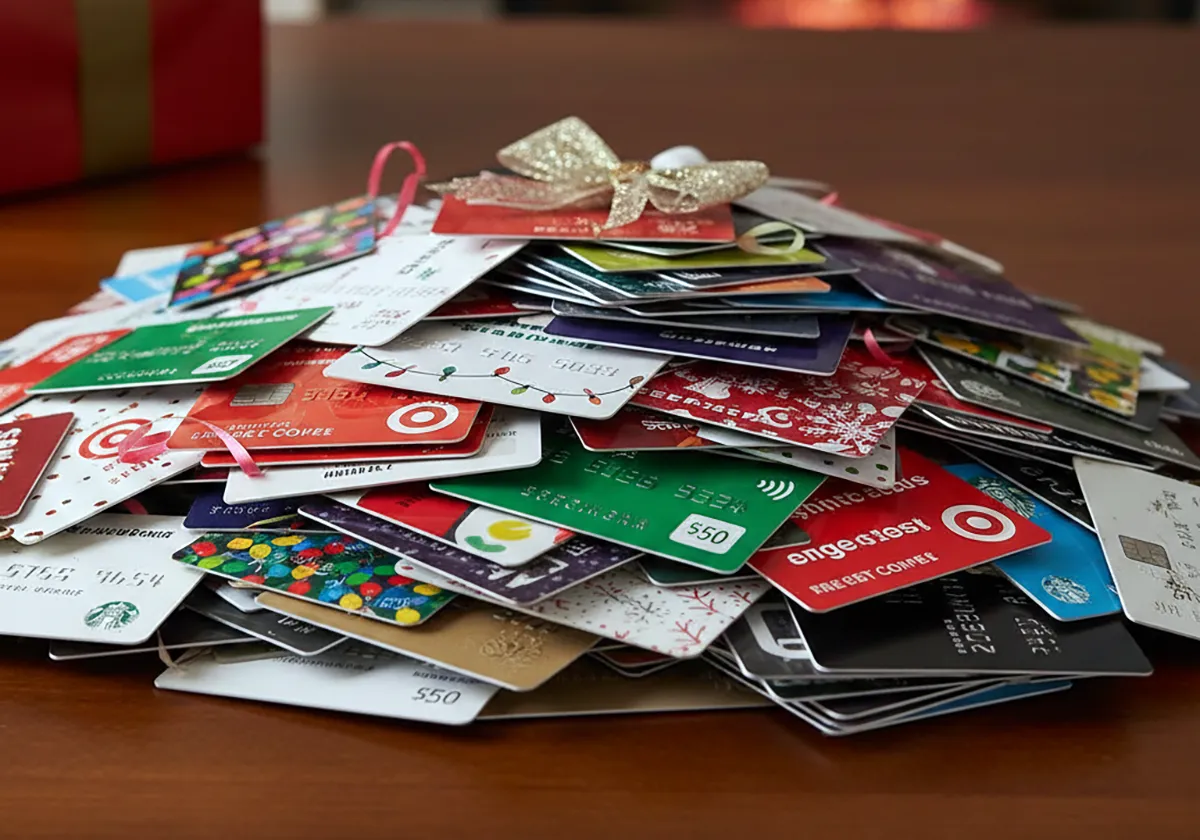
Track gifts, travel and decor in one list and review it weekly to stop small extras from becoming debt.
To track holiday spending so you do not overspend, set a spending limit first, then write down what you actually spend and check weekly whether you remain on track. Include gifts plus travel, parties, decorations and food in the same plan, not gifts alone. A holiday spending plan is a set of category limits for the season with a running total of purchases.
The Consumer Financial Protection Bureau advises shoppers to set a budget first, then track what is actually spent and check whether spending remains on track, as described in its five-step holiday spending plan. That weekly check keeps small extras visible before they grow.
Verification note: Program terms and availability can change. This page was checked against linked sources on November 02, 2026.
Set limits before you shop
The Consumer Financial Protection Bureau says a holiday plan should cover gifts plus travel, parties, decorations and other seasonal costs, as explained in its guide to planning holiday spending. Unspent funds in one category can shift to another. That rule lets a lower gift total cover higher travel costs.
Season totals run high. The National Retail Federation forecast November–December 2025 retail sales of $1.01–$1.02 trillion, up 3.7%–4.2%, with consumers planning to spend $890.49 per person on gifts, food and decorations, in its 2025 holiday sales forecast. Use that average as context, not a target.
Set your cap from rent, bills and savings.
- List each person, event and trip with a dollar cap
- Give decor, food, shipping and cards their own caps
- Write the full-season total at the top of the list
Record spending the same day
Write each purchase in one place the day you make it. Record the item, price and category. Keep receipts and card statements with the list until the total is final.
Split shared costs right away. If one store trip covers gifts and food, enter each part under its category. That habit shows which category is close to its cap.
Use one method for every purchase. A notebook, phone note or spreadsheet all work if cash, cards and payment apps go in the same total.
Why a weekly check matters
Card balances can climb fast during the holidays. The Federal Reserve Bank of New York reported credit-card balances rose $24 billion in Q3 2025 to $1.23 trillion, within $18.59 trillion in total household debt, in its Q3 household debt report. Those figures cover card users across income levels.
A weekly review links that national pattern to your home. Compare your running total to each category cap. Look at card balances, not only the gift list.
Act on what the numbers show. Pause one category when another runs over. Delay an optional purchase until next week.
Adjust before debt grows
Move unused dollars instead of adding new dollars. If decor costs less than planned, shift the rest to food or travel. Keep the season total unchanged when you shift funds.
Cap card and buy-now-pay-later use after the weekly check. Pay cash for small extras when cards are near the limit. Return or exchange duplicate gifts early, while return windows are open.
Finish with a closing total in January. Save the list for next year. Start next season with caps based on what you actually spent.