How to Tell a Real Sponsor From an Impersonator in Giveaways
Learn the red flags, checks, and reporting steps that separate real giveaway sponsors from impersonators.
A real sponsor — the company or group running the giveaway — shows its name, written rules, and contact address or toll-free number. An impersonator pretending to be that sponsor asks for a fee, payment to improve odds, or financial or personal details. Giveaways attract copycat messages because excitement makes people act fast.
The checks below help you pause, spot the difference, and respond safely.
Verification note: Program terms and availability can change. This page was checked against linked sources on November 24, 2026.
What a real sponsor shows you
According to the Arizona Attorney General, legitimate sponsors identify themselves and share an address or toll-free number Arizona sweepstakes tips. They also disclose entry steps, eligibility, and odds in plain English. Consumer guidance from the Association of National Advertisers states that sweepstakes mailings, rules, and entry forms must say no purchase is necessary.
The same notice must say buying does not improve your chances. If that information is missing, hard to find, or sent only by chat message, do not proceed. A chance to win is not the same as receiving a benefit, and "no purchase necessary" is not the same as free shipping or free activation.
Which signs point to an impersonator?
According to the Federal Trade Commission, three prize signs call for immediate caution: you must pay to collect, you must pay to improve odds, or you must share financial or personal information FTC fake prize guidance. A real prize does not work that way. Watch for these patterns: A notice for a contest you never entered means you did not win.
The Federal Trade Commission advises that foreign-lottery win messages to U.S. recipients are almost certainly not legitimate.
- A win notice for a contest you never entered
- A foreign-lottery win message sent to a U.S. recipient
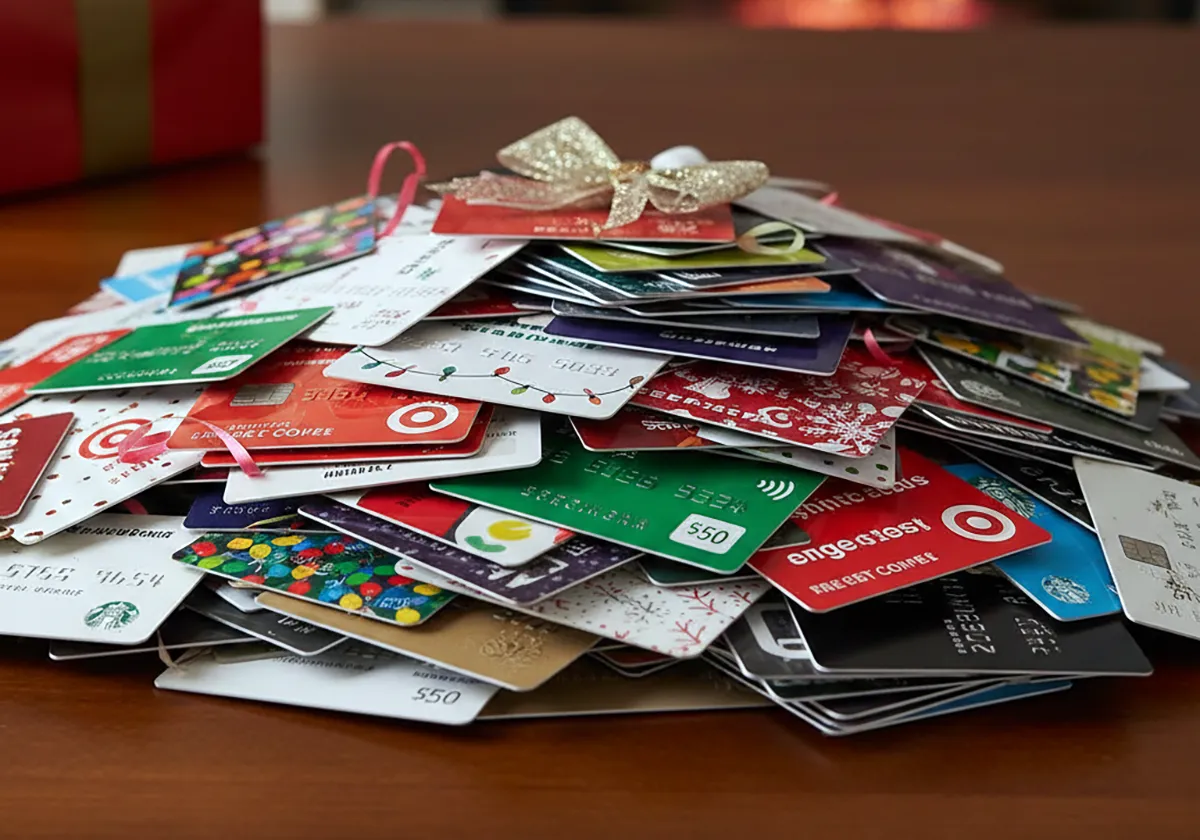
- A request for a wire transfer, gift card, bank account, or Social Security number
- Pressure to act now or keep the win secret
Why familiar names and numbers do not prove it
Caller ID, logos, and display names can be spoofed. Scam messages can copy colors, fonts, and executive names. Never trust contact details inside the win notice.
Hang up, close the message, and find contact information on your own through a directory or bill. Type the sponsor's own website address yourself instead of tapping a link. Call a number you looked up independently, not the number in the text, email, or social message.
How to check without replying to the sender
Do not reply, click, or download files from the notice. Open a new browser window and search for the sponsor name plus words like rules, winners, and contact. Read the written rules for entry dates, eligibility, entry method, and prize odds.
Check whether winners are described as notified by mail, and whether any fee is mentioned. The Federal Trade Commission reports it never awards, certifies, or verifies prizes and never calls, emails, or writes to ask for money. Any message claiming that type of government prize approval or payment request is from an impersonator.
What to do with a suspicious message
Save the message without responding, then block the sender. Forward suspicious prize texts to 7726, marked SPAM. Report the fraud to ReportFraud.ftc.gov, as described in the FCC guide on unwanted texts.
Report unwanted texts or spoofed calls through the FCC complaint center.