How to Spot Shipping Address Scams in Holiday Giveaways
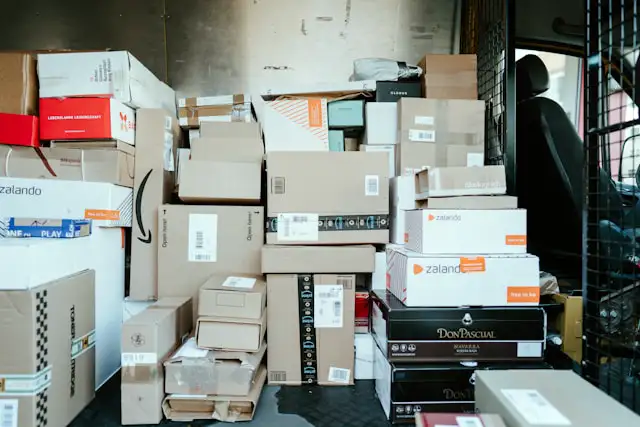
Spot fee demands, voucher surveys, and mystery parcels before a holiday giveaway takes your address.
A holiday giveaway shipping-address request is a warning sign when it requires paying shipping, handling, or other fees, because real prizes are free. A request tied to a voucher post, survey link, or unexpected package also deserves a pause and a check of the sponsor's own page. A shipping address scam means someone uses a fake prize or gift offer to collect your address and personal details or to extract a fee.
Holiday volume gives these offers cover, since shoppers expect parcels, gift notices, and short entry forms.
Verification note: Program terms and availability can change. This page was checked against linked sources on November 24, 2026.
Why a fee means the prize is not real
The Federal Trade Commission states that real prizes are free, so anyone told to pay taxes, shipping and handling, processing fees, or customs duties is dealing with a scammer, according to the FTC's fake prize guidance. The amount sounds small on purpose. It creates urgency while keeping the loss easy to dismiss.
Free-prize schemes also pressure people to order merchandise or pay release fees for a prize that does not exist. Treat every shipping payment screen, gift-release charge, or customs payment request as a stop sign. Do not enter card details to unlock delivery.
How holiday posts turn addresses into identity theft
Holiday social-media posts offering vouchers or gift cards as promotions or contests often lead to online surveys designed to steal personal information, according to the FBI Cleveland holiday scams warning. The path is familiar: exciting gift card, short entry form, then address plus phone, email, or birth date. Each extra field widens the harm from spam to account takeover attempts.
A legitimate entry form asks only what delivery or contact requires. A form that adds surveys, referrals, app installs, or repeated contact details is harvesting data.
What unordered parcels reveal about your address
Some unordered parcels are brushing, where a seller mails goods so it can use the recipient's name and address to post fake reviews that boost sales, according to the Postal Inspection Service brushing explainer. The item may look like a giveaway win. It is actually a sign your name and address are in circulation.
Keep the box, packing slip, and return address together. Note the date, sender name, and whether anyone in your household ordered it. That record helps if more parcels arrive or if reviews appear under your name.
How to check before you share your address
An address request alone does not prove fraud, because legitimate sweepstakes collect addresses under published rules. The difference is proof: separate entry pages, missing rules, new accounts, and payment demands point away from a real sponsor. Use these checks before typing or confirming your address:
- Open the sponsor's own website or account yourself instead of tapping the post, message, or email link.
- Read the published rules for eligibility, end date, prize count, and delivery terms.
- Never pay to receive, release, or ship a win, and never scan a QR code in an unexpected parcel that claims to identify the sender or gift, as warned in the Postal Inspection Service 2025 holiday guidance.
- Save screenshots and do not continue with surveys that expand after you enter.