How To Spot A Fake Target Gift Card Promotion Online
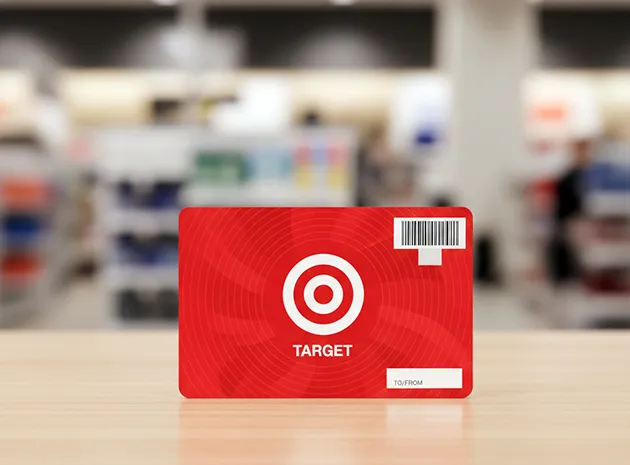
Check the link, payment request, and balance page to tell a fake Target gift card offer from a real one.
A fake Target gift card promotion asks for money, card numbers, or a balance check outside Target.com. You can spot it by where the link goes, what it asks you to pay, and how it pushes you to act. A fake promotion is a post, message, ad, or site that uses the Target name to collect payment or card details.
The signs below help you pause and check before you click, pay, or share numbers.
Verification note: Program terms and availability can change. This page was checked against linked sources on November 05, 2026.
Does the link stay on Target.com?
Target Security directs customers never to buy, sell, or check a balance outside Target.com, and to use only https://www.target.com/guest/gift-card-balance for balance checks, as explained on Target's gift-card scam prevention page. Type that address yourself instead of tapping a link in a post, text, or email. Target Security also warns that harvester sites copy the balance-check page to collect card numbers and access codes.
Close the page if the address looks odd, the layout feels off, or it asks for the access code before showing any Target.com address.
Do you have to pay to receive the prize?
A prize that requires payment is not a real prize. The FTC states that real prizes are free, including fees labeled as taxes, shipping, or processing, as described in the FTC guide to fake prizes and sweepstakes. Watch for these payment warning signs:
- A small fee to release, ship, or activate the card
- A request to pay taxes or processing costs first
- A claim that payment will speed up delivery
Does the offer look too large for a social post?
The FBI warns shoppers to beware social-media posts offering vouchers or gift cards, including too-good-to-be-true offers such as a free $500 card posed as a holiday promotion or contest, according to the FBI Jacksonville holiday warning. A large amount, bright gift-card image, and short deadline are a common mix. Pause when the post urges quick action, asks for shares to qualify, or moves you to chat.
Save the link address, compare it to Target.com, and do not enter card details on the linked page.
What should you do if you shared a code?
Keep the card and store receipt together. Do not throw the card away, even if the balance reads zero. Victims should keep the card and receipt, report immediately to the gift-card company, then report to the FTC at ReportFraud.ftc.gov and the FBI's IC3, with limited recovery once codes are shared, according to the FTC guide to gift-card scams.
Keep copies of messages, links, and receipts before you report.