How To Spot A Fake Starbucks Holiday Gift Card Giveaway
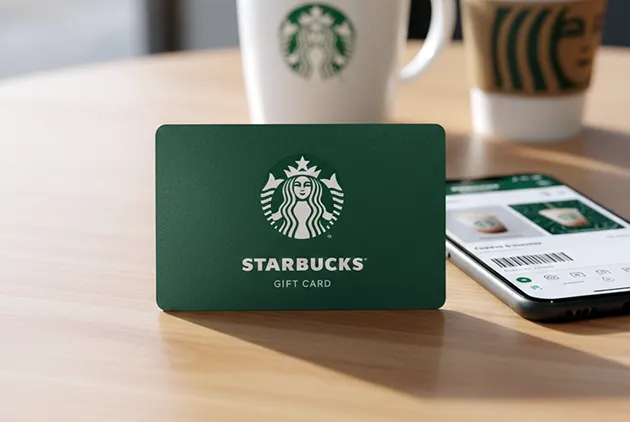
Spot fake Starbucks holiday gift posts by checking the address, fee test and safe reporting steps.
A Starbucks holiday gift card giveaway is fake when it lives outside starbucks.com, the Starbucks app, or linked Starbucks rules. It is also fake when it asks for a fee, gift-card payment, card number, or PIN to claim a prize. Check those two points before you click, share, or enter personal details.
According to Starbucks, its Starbucks for Life Merrython for Rewards members ran Dec. 8, 2025 through Jan. 4, 2026 through starbucksforlife.com, with nearly 10 million prizes listed, including drinks, gift cards, Bonus Stars and Starbucks for Life Starbucks holiday announcement.
Use that kind of narrow, dated, Starbucks-run detail as your comparison point for holiday posts.
Verification note: Program terms and availability can change. This page was checked against linked sources on November 04, 2026.
Check the address before you trust the gift
Start with the web address and the account behind the post. A real Starbucks gift offer leads to starbucks.com, the Starbucks app, or a page with linked Starbucks terms. A post, message, ad, or look-alike domain alone does not prove the source.
Holiday fakes often travel through shares and messages. According to the FBI, social-media posts offering holiday vouchers or gift cards can lead to surveys meant to take personal information, even when the link looks shared by a friend FBI holiday warning from Jacksonville. Treat a friend share as a reason to check, not as proof.
Look for pressure to act fast, blurry logos, misspelled links, and entry pages that ask for unrelated details. Close the tab when the address and the prize story do not match.
Why fees and card requests mean fake
Real prizes do not require payment to claim. According to the Federal Trade Commission, asking for taxes, shipping, processing, customs, or another fee before delivery marks a fake prize, and charging to enter or improve odds is illegal FTC guidance on fake prizes. Walk away when checkout appears inside a win notice.
The same test applies to card numbers, PINs, and gift-card payments. Never enter a card number or PIN to release a prize. Never buy a gift card because a message says it will unlock, verify, or deliver holiday winnings.
Scan for these warning signs:
- A win notice that asks for payment, shipping charges, or tax handling
- A claim form that requests card numbers, PINs, or gift-card codes
- Entry rules that live only in comments, chats, or images
- A countdown that pushes quick payment or quick sharing
Why a moved balance is hard to get back
A Starbucks Card holds prepaid value, so a transferred balance behaves like spent cash. Once a code, number, or PIN reaches someone else, that person can use, move, or resell the funds. Recovery then depends on fast reporting and remaining funds, not on reversing a card charge.
Holiday timing makes the loss harder to catch. Shoppers juggle many orders, messages, and family gifts. A small fake gift-card charge can hide until statements arrive or the intended gift fails at the register.
Keep records that help if you must report. Save the link, screenshots, dates, messages, receipts, and any card numbers involved. Keep the original packaging and receipts for cards bought in stores.
How to verify and report a holiday fake
Verify through places Starbucks controls. Type starbucks.com into the browser, open the Starbucks app, or read the linked rules for dates, eligibility, entry steps, and prize limits. Do not trust search ads, direct messages, or comment links for that check.
Report what you find with the same details you saved. According to the FBI in Cleveland, people should verify offers through Starbucks pages, avoid paying or sharing card details to claim, and report fakes to local authorities, ReportFraud.ftc.gov, and the FBI complaint center at ic3.gov FBI holiday guidance from Cleveland. A report will not restore every loss, but it gives investigators the address, message, and payment trail.