How to Spot a Fake Pet Giveaway Online
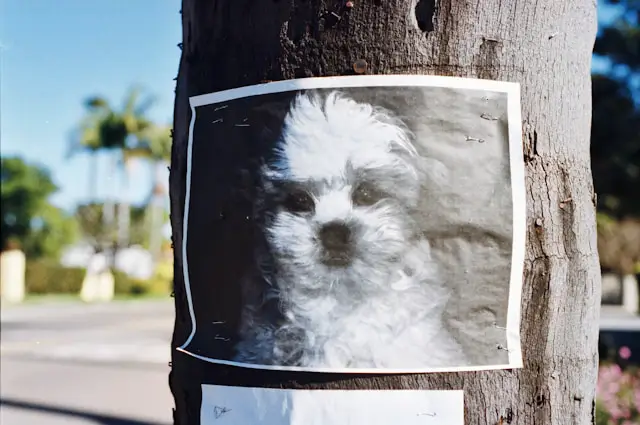
Learn the payment, contact, and photo checks that expose fake pet prizes before you share details.
A fake pet giveaway asks for a fee to release a prize puppy and avoids live contact. A legitimate prize stays free, allows direct talk, and provides details you can check independently. A fake pet giveaway is a post or message that promises a free puppy or kitten but aims to take money or personal details.
These posts often copy real breeder photos and prize language. Knowing the payment, contact, and photo checks helps you decide fast.
Verification note: Program terms and availability can change. This page was checked against linked sources on November 16, 2026.
When a fee means the prize is fake
The Federal Trade Commission states that real prizes are free and legitimate sweepstakes are won by chance, so a fee to claim a pet prize points to a fake how to spot fake prize demands. Watch for shipping, insurance, crate, vet, or tax fees added after you win. Stop and walk away when release depends on payment.
The Federal Trade Commission and the American Kennel Club state that demands for gift cards, wire transfers, cryptocurrency, payment apps, or Venmo to strangers signal fraud. Recovery through those methods is unlikely, unlike credit cards or PayPal Goods and Services. Treat any switch to an irreversible payment as a reason to quit.
Why real sellers show up live
The American Kennel Club states a reputable breeder will talk by phone, video chat, or in person before a sale puppy scam warning signs. Treat email-only or chat-only contact as a warning. Ask for a live call with the animal visible.
The American Kennel Club states puppy scammers post fake litters online or impersonate real breeders. They take money, deliver no puppy, and stop responding. End contact when a seller refuses live video or an in-person meeting.
How to catch copied photos and words
The Federal Trade Commission warns that scammers steal and manipulate pet photos and videos, including AI-generated deepfakes. Those images feed fake sales, fake pet emergencies, and fake animal-charity prizes. Do not trust a cute clip alone.
The American Kennel Club states copycat or stock photos and ad text found on multiple websites signal fraud. Search the exact listing text and save the images for reverse-image search. Call the registry independently to confirm registration.
What to check before you enter or report
The Better Business Bureau tracked 2,278 Scam Tracker pet reports in 2024 with a $680 median loss 2025 puppy scam study update. Over half began on websites through search or social media. French bulldogs, dachshunds, and German shepherds appeared most often.
The Better Business Bureau cautions reported cases are a vast undercount because cited research found only 4.8% of mass-market fraud victims report. Reports peak in December and January. Insist on live video, meet in person when possible, and report fraud at ReportFraud.ftc.gov and ic3.gov.
- Refuse any pet prize that needs a fee, gift card, wire, crypto, or app payment
- Require live video with the exact animal and the seller speaking
- Search the photos and full ad text for matches on other sites
- Keep messages, receipts, links, and phone numbers for a report