How to Register a Gift Card Before Giving It as a Gift
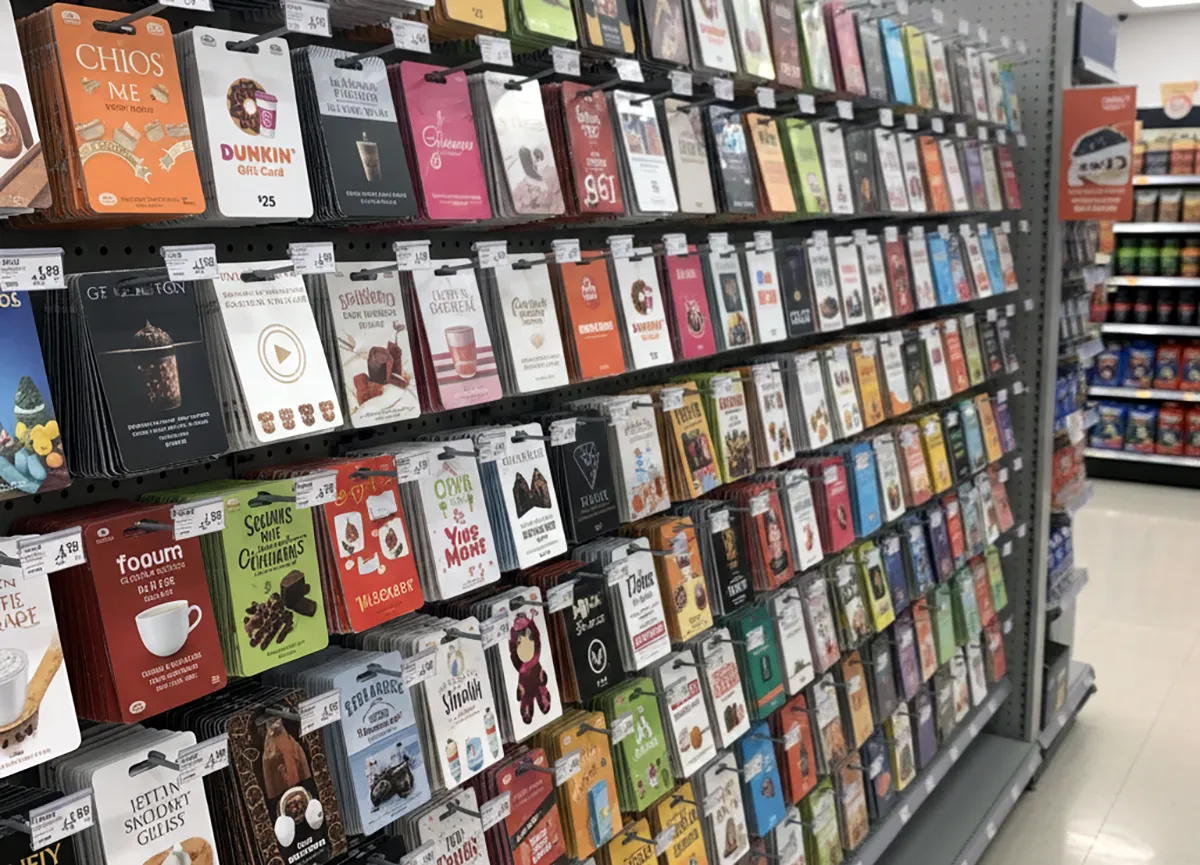
Leave registration to the recipient so online checkouts match their billing address and work smoothly.
Do not register a gift card in your name before giving it. Activate the card if the packaging requires it, then let the recipient add their own name and address. Activation turns the card on for in-store use.
Registration links the card to a name and billing address or ZIP for online and phone checks.
Verification note: Program terms and availability can change. This page was checked against linked sources on November 02, 2026.
What Is the Difference Between Activation and Registration?
Activation makes the funds available on the card. Many cards are active at purchase, while others need a quick step by the buyer. Registration is separate.
It ties the card number to a name and home address so a merchant can match that detail at checkout.
How Do You Get the Card Ready to Give?
Check the packaging for activation directions before wrapping it. Use the issuer website printed on the card or packaging, or call the toll-free number on the back. This keeps the billing detail open.
The recipient can then enter an exact match at checkout.
- Find the 16-digit number, expiration date, and security code.
- Enter those details on the issuer portal or by phone.
- Keep the purchase receipt with the gift record.
- Leave the name and billing-address fields blank for the recipient.
Why Should the Recipient Finish Registration?
Online stores compare the billing address typed at checkout with the address tied to the card. A mismatch can cause a decline even when funds remain. Consulting Times notes in its billing-address guide that the recipient should register the card with their own name and home address.
That same address must then be used at every checkout. Tell the recipient where to register. Point them to the issuer portal named on the card, and remind them to use one address consistently.
What Limits Should Buyers Check First?
Reloadable prepaid cards have added steps. The Consumer Financial Protection Bureau explains in its prepaid card shopping guidance that buyers should register those cards with full name and street address to obtain loss or theft protection. Providers may limit ATM use, reloads, and error resolution until registration and identity checks succeed.
Keep the card number and receipt in a safe place until the recipient confirms receipt. Federal rules also set a floor for gift-card life. According to Federal Deposit Insurance Corporation consumer news, expiration cannot come earlier than five years after activation, and dormancy fees require at least 12 months without use plus clear disclosure.
Read the fee and expiration disclosure before you buy.