How to Negotiate a Lower Bill Before Year-End Spending
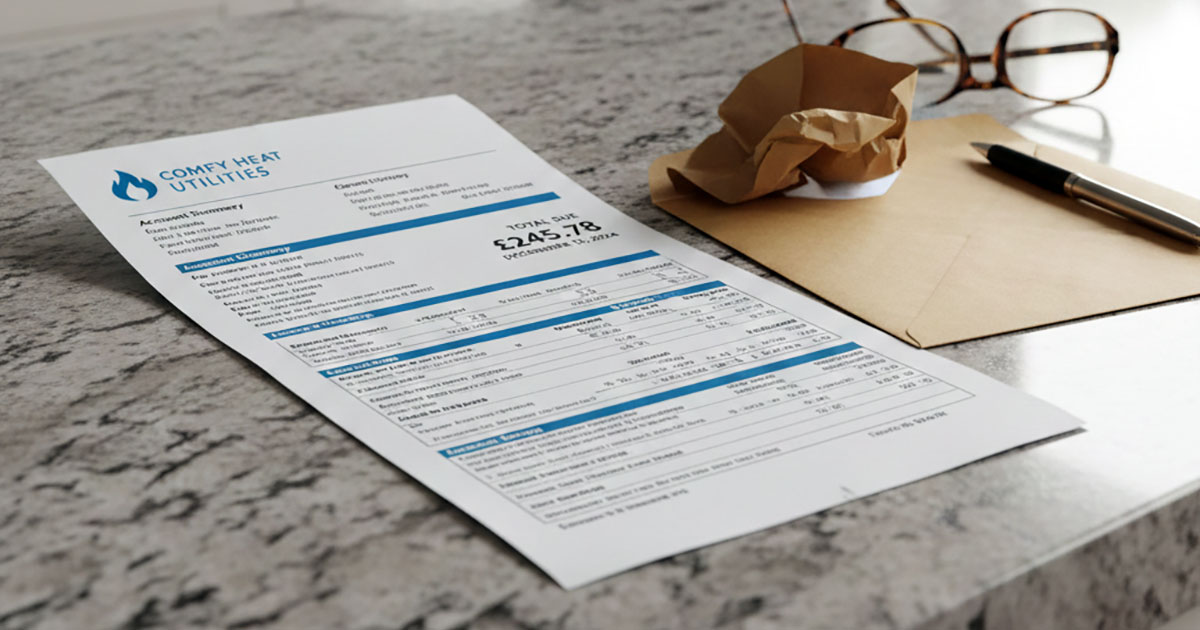
Call providers now to trim telecom, medical, and collection bills and free up cash for year-end spending.
You can free up cash before year-end spending by researching rival rates, then calling live agents to ask for promotions, loyalty discounts, or lower payoffs. For phone, TV, medical, and collection bills, preparation plus a written record of any new terms makes the savings stick. Retention means the team that handles cancellations and save offers.
A short call plan works across bill types: compare, call, ask clearly, and confirm.
Verification note: Program terms and availability can change. This page was checked against linked sources on November 02, 2026.
Cut Phone and TV Bills With One Call
Telecom and pay-TV customers can lower bills by researching rival and new-customer rates first, then calling a live agent and asking for retention. According to NerdWallet, useful asks include promotions, loyalty discounts, and autopay or bundling deals in the NerdWallet bill negotiation guide. Have your current bill, contract end date, and two competing prices in front of you.
Note the agent name, date, and quoted monthly total before you agree.
- Ask for retention or cancellations if the first agent cannot adjust the price
- Ask for each discount by name: promotion, loyalty, autopay, bundle
- Ask when the new rate expires and what the bill returns to after
Check Medical Bills Line by Line
If you receive a medical bill, ask for an itemized bill or superbill showing procedure codes, insurer payments, and amount owed, then verify services and coverage. The Consumer Financial Protection Bureau advises patients to negotiate the balance to an affordable amount and request an interest-free repayment plan rather than using a credit card, as explained in the CFPB guide on handling medical bills. Compare each line to your visit notes and insurer statement.
Flag duplicates, wrong dates, or services you did not receive.
- Request the itemized bill and insurer explanation of benefits
- Circle errors and call billing with corrections and a lower offer
- Ask for zero-interest payments tied to what you can pay monthly
When Does Surprise-Billing Protection Apply?
Federal protections cover group and individual health-plan members against surprise balance bills for most emergency services, out-of-network care at in-network facilities, and out-of-network air-ambulance services. Uninsured and self-pay patients can often get a good-faith cost estimate before care and dispute the bill when it is substantially greater, according to the CMS fact sheet on surprise medical bills. That protection has limits.
It does not erase every charge, and it does not replace checking whether a charge matched your plan or estimate.
- Save estimates, intake forms, and facility notices with dates
- Compare the final bill to the estimate before you pay
- Use the plan appeal or dispute path named on your bill or notice
Settle Old Bills in Collections Carefully
For a bill in collections, confirm the debt, calculate a realistic repayment plan, make a written proposal, and get the final settlement and promises in writing before paying. The Consumer Financial Protection Bureau outlines that sequence for collectors in the CFPB guide to negotiating with debt collectors. Keep year-end pressure out of the offer.
Propose only a lump sum or monthly amount your budget can sustain through January.
- Verify collector name, account number, amount, and original creditor
- Send your offer in writing and keep copies
- File the signed agreement with your year-end budget papers before you send money