How to Lower Your Heating Bill Before Christmas
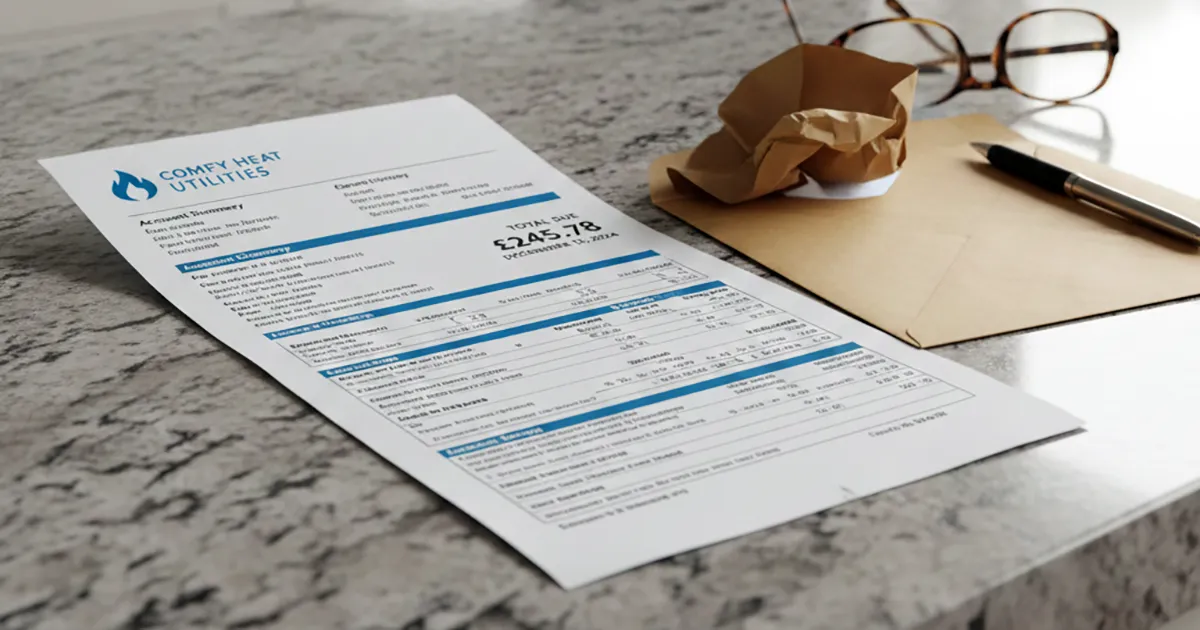
Lower the thermostat overnight, check the furnace filter and reverse fans to cut December heating costs.
To lower your heating bill before Christmas, set your thermostat 7–10°F lower for 8 hours a day while you sleep or are away. According to the U.S. Department of Energy, this temperature setback, meaning a planned lower setting for sleep or away hours, can cut annual heating and cooling bills by as much as 10% DOE guide to home heating and cooling.
Check the furnace filter now and reverse ceiling fans to push warm air down. For this winter, fuel type matters for what you will pay. According to the U.S.
Energy Information Administration, homes heated with natural gas and propane are expected to spend less than last winter, while heating-oil homes are expected to pay about 21% more EIA winter fuels outlook. That split makes quick, no-cost changes more useful in December.
Verification note: Program terms and availability can change. This page was checked against linked sources on November 27, 2026.
How should you use the thermostat?
Pick one 8-hour block for the setback, usually overnight or during work and school hours. Keep the lower setting steady instead of turning heat fully off and on. A steady setback protects pipes and keeps recovery time short.
Use a programmable setting if your thermostat has one. Set the wake or return time about 30 minutes before the house needs to feel warm. Keep bedroom doors open enough for air to move.
What free checks help this week?
Start with airflow and heat that stays near the ceiling. According to the U.S. Department of Energy, checking the furnace filter monthly, replacing it at least every 3 months, and getting regular heating-system maintenance can cut heating and cooling costs by 10% or more DOE tips for saving on winter energy bills.
A clogged filter makes the system run longer for the same warmth.
- Check the furnace filter and replace it if dust blocks light through it.
- Run ceiling fans clockwise at low speed to push trapped warm air down.
- Set the water heater to 120°F to save energy and reduce scald risk.
- Close fireplace dampers when not in use and keep vents clear of furniture.
Where is heat slipping out?
Feel for drafts around windows, doors, attic hatches, and pipes through walls. Close curtains at night to add a thin barrier, then open south-facing curtains on sunny days. Move beds and desks away from cold windows if you can.
Seal only what you can finish safely before the holidays. Use draft stoppers, caulk, or weatherstripping on gaps you can see and reach. Leave attic, crawl-space, and major insulation work for after Christmas planning.
What if you heat with oil?
Oil-heated households face a harder season even with the same habits. According to the U.S. Energy Information Administration, higher oil prices are only partly offset by milder forecast weather, so efficiency steps alone may not offset the bill increase EIA winter fuels outlook.
Track tank level early and ask your supplier about delivery timing. Use the setback, filter, fan, and water-heater steps first because they cost little or nothing. Delay extra electric space-heater use, which can raise power costs.
If funds are tight, contact your state energy office or utility about payment plans and aid.