How to Exchange an Unwanted Gift Without Hurting Feelings
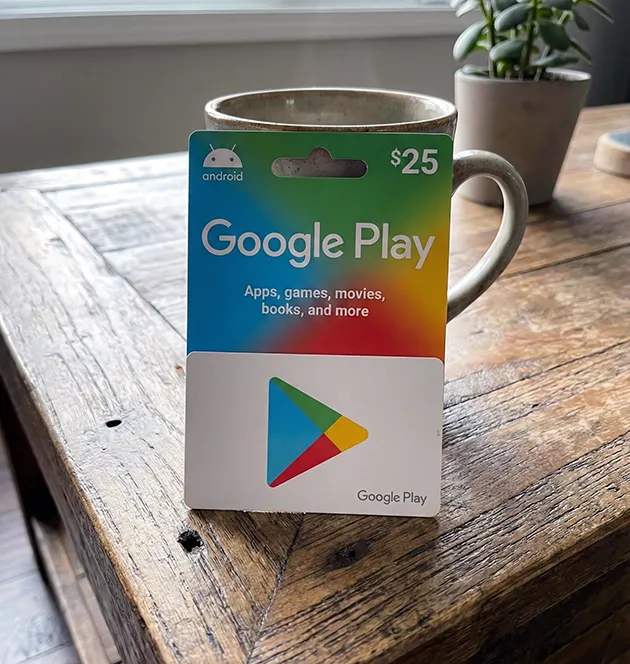
Use gift receipts, store policies, and private timing to swap sizes or styles without awkward conversations.
Thank the giver warmly and keep any exchange private. Check for a gift receipt first, because it often allows an exchange or store credit without asking the giver anything. A gift receipt is a purchase slip that proves payment without showing the price.
Looking for it before you ask avoids an awkward question and gives you a clear next step.
Verification note: Program terms and availability can change. This page was checked against linked sources on November 16, 2026.
Thank First and Keep It Private
Etiquette expert Diane Gottsman advises thanking the giver sincerely first, then handling any exchange privately, according to guidance on politely returning unwanted gifts. A prompt thank-you signals that you value the thought. It also buys time to decide calmly.
Ask where the item came from only when the relationship is close enough for honesty. With a sensitive giver, Gottsman advises keeping the gift rather than risking hurt feelings. Private action matters more than a perfect explanation.
- Open and thank in the moment
- Set the item aside for a day
- Check packaging and receipts alone
- Act later without announcements or posts
Learn What the Store Will Allow
The Better Business Bureau states that U.S. stores set their own rules and are not legally required to accept exchanges or refunds unless merchandise was defective or misrepresented, as explained in its holiday returns and exchanges guide. An unwanted size or color depends entirely on store policy.
Holiday rules often differ from year-round rules. Without a receipt, most retailers offer only store credit or an exchange rather than a refund, especially for marked-down items. The Bureau advises keeping receipts and original packaging, including a gift receipt, and bringing photo ID for returns.
Check tags, boxes, manuals, and any email order note before you visit. A gift receipt normally lets you obtain an exchange or store credit without contacting the giver. Diane Gottsman urges givers to include one and recipients to look for one before asking.
That small slip saves both sides embarrassment.
How Do You Ask Without Awkwardness?
Start with what you have, not who gave it. Look inside the box, gift bag, and email inbox for a gift receipt or order number. Check the retailer site for receipt-free exchanges tied to a loyalty account or payment card you own.
If you must ask, choose a private moment and focus on fit. Mention the wrong size, duplicate item, or need for an exchange rather than dislike. Ask only a close friend or family member, and accept their answer without pressure.
If they say yes, move quickly and quietly. Bring the unused item, packaging, tags, and ID. Do not share the outcome unless they ask, since the goal is a usable item without lingering tension.
When Exchange Is Not Possible
The Emily Post Institute permits regifting only if the item is brand new in original packaging with all parts and manuals, as described in its etiquette of regifting. It must not be unique, handmade, or personalized. The new recipient should genuinely want it, and discovery should cause no hurt.
The Institute separately warns that regifting carries real risk of deceit and hurt feelings. Do not pass along used, incomplete, or carefully chosen personal gifts. When return is impossible, Gottsman advises donating or honestly re-sharing the unused item.
Return problems are common. In a January 2025 survey of 2,047 UK adults, Which? found 21% received an unwanted gift and nearly half who tried to return one reported problems, according to its survey of disappointing Christmas presents.
Ireland's Competition and Consumer Protection Commission found one-third of givers never include gift receipts. Place a gift receipt in the box before you wrap your next gift.