How to Enter Pet Product Giveaways in Chicago, Illinois Without Scams
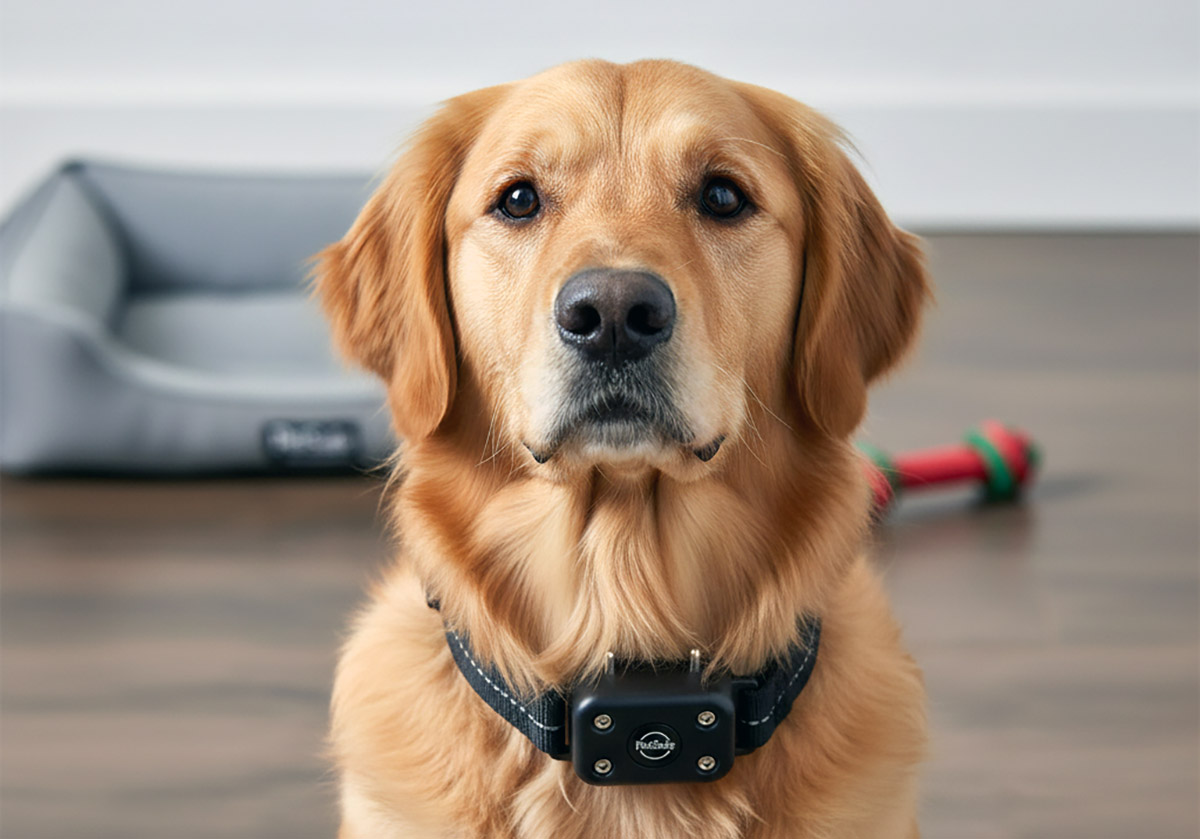
Chicago pet owners can enter giveaways safely by verifying sponsors, spotting scam red flags, and protecting their personal information.
Entering pet product giveaways in Chicago without falling for scams comes down to three habits: verify the sponsor before entering, protect your personal information, and know the red flags that signal a scam rather than a genuine promotion. Most legitimate pet product giveaways in Chicago run through established social media accounts (typically Instagram or Facebook pages with years of history and thousands of verified followers), local pet stores and veterinary clinics, and recognizable pet brands running official contests. A real example: many Chicago-area animal shelters like the ASPCA's Illinois chapter occasionally partner with pet supply companies to offer giveaways as part of fundraising campaigns—these always include clear contact information, verifiable sponsor details, and no requests for upfront payments or sensitive information beyond what's necessary to mail a prize.
The core strategy is treating every giveaway like a mini-investigation. Scammers create urgency and fear of missing out by designing fake giveaways that look professional enough to fool people scrolling quickly. They'll mimic legitimate businesses' branding, use similar handles, and promise desirable prizes (premium dog food, cat toys, pet medications) to lower people's guard.
In Chicago's market, where pet owners actively seek deals on everything from grooming services to specialty diets, giveaway scams are a predictable target. By following basic verification steps before clicking "enter" or sharing any details, you can participate in genuine promotions while avoiding the time-wasters and data-stealers.
How to Verify Legitimate Pet Product Giveaway Sponsors in Chicago
Start by checking the account history and verification status of whoever is promoting the giveaway. Legitimate brands and local businesses typically have consistent posting histories stretching back months or years, not accounts created days ago. On Instagram, blue verification checkmarks next to official brand accounts mean Instagram has confirmed the account belongs to the claimed organization—though this alone isn't bulletproof, it's a meaningful signal.
For local Chicago pet businesses, look for consistent engagement from real followers (comments that sound like actual people, not generic praise), posts about their actual services or products, and tagged photos from real customers. One limitation is that verification checkmarks sometimes appear on older scam accounts that went inactive and were later revived, so don't rely on checkmarks alone. Cross-reference by visiting the brand's official website and checking if they've posted about the giveaway there, or by calling a local business directly to ask if they're running that specific promotion.
If a pet store or vet clinic is supposedly giving away products but their website or phone line has no mention of it, that's a signal to skip it. Chicago pet owners can call established local chains and independent stores to confirm before entering anything in their name.
Red Flags That Distinguish Scams from Real Giveaways
Watch for requests that feel wrong immediately: if a giveaway asks you to pay an entry fee, buy a product to be eligible, or provide your Social Security number or full financial details, close the page. Legitimate giveaways never charge to enter and never need your SSN. Another red flag is messaging that pressures you into acting fast—language like "Only 24 hours left!" or "Share this immediately to enter!" combined with vague prize descriptions is often a sign of a scam designed to bypass your critical thinking.
Asking for passwords, account access, or requests to log into your email or social media through their link are major warning signs. Scammers use these tricks to steal credentials or hijack accounts. Similarly, if a giveaway requires you to download an app, visit a suspicious link, or click through multiple redirects before you even see the entry form, reconsider.
Legitimate sponsors keep the entry process straightforward. A practical limitation here is that some smaller local businesses might run giveaways in less polished ways, but they'll still be transparent about what you're entering and why. If you're unsure, contact the business directly—any legitimate sponsor will welcome verification questions rather than dodging them.
Where Chicago Pet Owners Find Legitimate Giveaways
Local Chicago pet stores, independent grooming shops, and veterinary practices frequently run seasonal giveaways to build community loyalty. Checking the social media pages of places where you already shop is a low-risk way to spot promotions before scammers can copy them. Many pet supply chains with Chicago locations announce giveaways through their official corporate accounts, which are easier to verify than accounts pretending to represent a single store location.
Pet-focused nonprofits and rescue organizations in the Chicago area sometimes host giveaways to support their missions, often providing pet food or supplies donated by brands. Following accounts for organizations like the Anti-Cruelty Society or local rescue groups puts you in contact with giveaways that are both legitimate and tied to a clear charitable purpose. A limitation worth noting is that truly local or grassroots giveaways may be announced only in neighborhood Facebook groups or community boards, so expanding where you look (beyond just big brands) uncovers more options, though these require the same verification steps.
Check if the account posting the giveaway is actually run by the organization they claim, and look for consistent activity over time rather than accounts that suddenly appear to promote one prize.
Protecting Your Personal Information During Entry
Enter only the information that's strictly necessary. Most giveaways need your name, email, and mailing address to send a prize if you win—that's normal. They should not need your phone number, birthdate, driver's license information, or anything beyond the essentials.
If a form asks for more than that, question whether you want to participate. Chicago's data privacy landscape has become more protective, but scammers aren't bound by privacy laws, so the burden falls on you to limit what you share upfront. Create a dedicated email address if you enter multiple giveaways, which protects your primary inbox from being added to spam lists or sold to data brokers.
This email doesn't need to be complicated—a simple variant like "[email protected]" works and gives you a way to track which giveaways sent follow-up emails and which didn't. One tradeoff is that managing another email takes more effort, but it also creates a clear record of which promotions you participated in. Never give out personal information through direct messages on social media, even if the message appears to come from the sponsoring brand or account.
Real giveaways use official entry forms or comments sections with public records, not private DMs asking for your details.
Common Scam Tactics Used in Pet Product Giveaways
A frequent scam uses brand impersonation: scammers create accounts with names nearly identical to real companies, like using underscores or slightly altered spellings (e.g., "@pet_supplies_plus" instead of the real account) to fool quick scrollers. Once they have entries, they may send follow-up messages claiming you've won, then asking you to click a link to "claim your prize" that's actually a phishing page stealing credentials or installing malware. In Chicago, where pet owners are active on social media and follow multiple local business accounts, this tactic is particularly effective at scale.
Another warning is the "pay shipping" scam, where you're told you've won but need to pay shipping costs (typically $5–$20) to receive the prize. Real giveaway sponsors cover shipping as part of the prize, or they clearly state any shipping costs before you enter. If a message appears after you've "won" asking for payment of any kind, that's a scam.
Some scams also use the giveaway as a pretext to sell you a "membership" or "club" that provides access to future deals—these rarely deliver value and often auto-charge your payment method monthly. The psychological angle here is that winning something makes people less skeptical, so scammers exploit that by asking for small amounts right after announcing a "win."
What Happens If You Win a Legitimate Giveaway
If you win, expect contact from the sponsor within a reasonable timeframe (usually a few days to a couple of weeks). Legitimate sponsors will reach out through the platform where you entered, or via the email you provided, to collect your mailing address if they don't already have it. They may ask you to respond to confirm your address or acknowledge the win, which is standard.
You should never have to pay anything, click a suspicious link in the notification, or provide additional sensitive information beyond what you already shared during entry. Once the prize ships, you'll typically receive a tracking number via email or the platform. This transparency is a hallmark of legitimate giveaways.
If contact comes through an unexpected channel (like a personal phone call from an unknown number claiming to represent the sponsor), or if there are requests for payment disguised as "taxes" or "processing fees," that's a red flag that this isn't a real win—scammers sometimes fabricate winning notifications to see if people will pay.
Using Official Sponsor Websites and Direct Contests
Bypassing the risk of scam impersonation means going directly to official websites and entering contests there instead of through social media. Many major pet brands and retailers (Chewy, Petco, PetSmart, and countless smaller companies) run giveaways through their own sites or official apps. Entering through their direct channels means you're verifying authenticity immediately and interacting with the real business, not a third party mimicking it.
Chicago-based pet businesses also often promote giveaways through email newsletters they send to existing customers—if you're already on a store's mailing list, checking those emails for promotions is safer than hunting through social media. A concrete example is checking whether a brand publishes giveaway rules and terms on their website. Legitimate contests include official rules (entry dates, eligibility, how winners are selected, prize descriptions), which are often required by law and show the sponsor takes the promotion seriously.
If a giveaway is promoted everywhere on social media but nowhere on the actual brand's website, that asymmetry suggests impersonation. Smaller Chicago pet businesses can be verified by calling their main line and asking directly if they're running a giveaway—doing this once before entering saves you time and risk compared to entering dozens of unverified promotions hoping one pays off.
Frequently Asked Questions
What should I do if I think I've entered a scam giveaway?
If you've given minimal information (just a name and email), monitor that email for spam and don't click any suspicious links in future messages. If you provided financial or identification information, contact your bank and consider placing a fraud alert with the credit bureaus. Report the fake account to the platform where you saw it.
Can scammers do anything with just my email address from a giveaway entry?
They can add it to spam lists, sell it to data brokers, or use it in phishing campaigns. This is annoying but manageable—filtering emails and unsubscribing from unwanted lists costs time but limits ongoing exposure. Never click links in emails from unknown senders claiming you've won something you didn't enter.
Are pet product giveaways on Facebook safer or riskier than Instagram?
Both platforms have scams. The main difference is audience and impersonation tactics; Facebook tends toward older users who may be less familiar with verifying accounts, while Instagram scammers often mimic visual branding more carefully. Use the same verification steps on both platforms.
How do I know if a local Chicago pet store's giveaway is real?
Call the store directly and ask. If they're running a giveaway, staff will confirm the details, the platform it's on, and any special rules. This takes five minutes and eliminates ambiguity.
What's the safest email to use for entering giveaways?
A dedicated email address separate from your primary one, ideally created just for promotions. This separates giveaway spam from important mail and makes it easier to identify which contests are selling your information to third parties.
Should I share my giveaway entry to my own social media to increase chances of winning?
Only if the official rules explicitly require sharing as an entry method. Many scams encourage sharing to spread the fake giveaway and build credibility through social proof. Read the official rules before resharing.