How to Enter Holiday Giveaways Without Oversharing Data
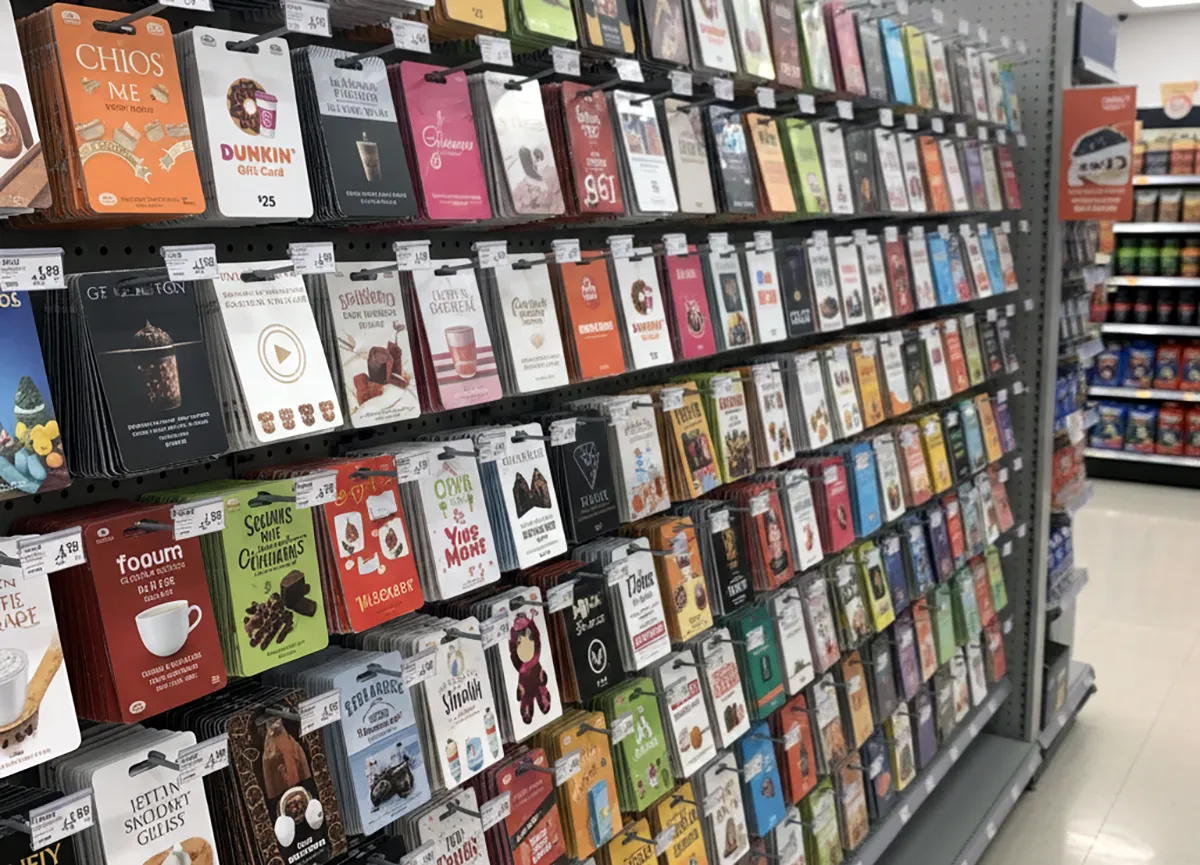
Share only basic contact details, skip payment requests, and check privacy terms before you enter holiday draws.
Enter holiday giveaways by sharing only basic contact details through the sponsor's own form and refusing requests for payment or financial numbers. A sweepstakes is a chance-to-win promotion with no assured prize, and real ones let you enter without buying. Holiday forms often ask for a name and email.
That small set can be enough. Larger requests need a closer look before you type.
Verification note: Program terms and availability can change. This page was checked against linked sources on November 24, 2026.
What a small entry looks like
Coca-Cola's 2026 Holiday Instant Win Game and Sweepstakes runs Nov. 2, 2026 through Jan. 3, 2027.
It states no purchase or payment is necessary for a chance to win. Entry uses a free Coca-Cola account through a QR code or website, according to the company's 2026 published rules. No purchase necessary means you can enter without buying.
It does not mean you receive a free item. Entry gives a chance to win, not a prize. Microsoft Rewards Sweepstakes #120 runs Nov.
2 through Dec. 31, 2026. It also states no purchase is necessary and asks only for true name, mailing address, working phone, and email, plus agreement to the terms, according to the sponsor's published entry terms.
Those same terms allow marketing contact or data sharing, so check privacy choices and use a separate email or opt-out where offered.
Requests that mean stop
Legitimate sweepstakes are free to enter and win. The D.C. Office of the Attorney General explains that the law bars requiring payment or purchase to enter or improve odds, so demands for fees, taxes, shipping, or insurance to release a prize point to fraud, as described in the District's sweepstakes consumer alert.
There is also no reason to give a bank account, credit-card number, or Social Security number to claim a prize. The FTC says only scammers demand those financial or SSN details in exchange for winnings, as explained in the FTC guidance on fake prize scams.
How do holiday messages try to get your data
CISA notes that holiday phishing uses familiar logos, urgent wording, fake delivery notices, and lookalike links. The goal is a login or personal details. Do not click the link in the message.
Type the retailer address yourself or open its own app. Then find the promotion from inside that trusted starting point.
- Message claims you won a contest you never entered
- Timer pressures you to pay or confirm now
- Link address looks close but not exact
- Form asks for card, bank, or SSN details
Set up accounts before you enter
CISA advises updating devices, using long unique passwords, and turning on multifactor authentication for shopping and email. Long passwords of at least 16 characters stored in a password manager lower takeover risk. Multifactor adds a second check at sign in.
Use one email for entries and keep banking elsewhere. Turn off save-card options on entry sites. Review privacy settings after each entry.
- Update phone, browser, and apps
- Give each shopping account a unique long password
- Turn on multifactor for email and shopping
- Enter only on the sponsor's own page