How to Enter Free Samples in Chesapeake, Virginia Without Scams
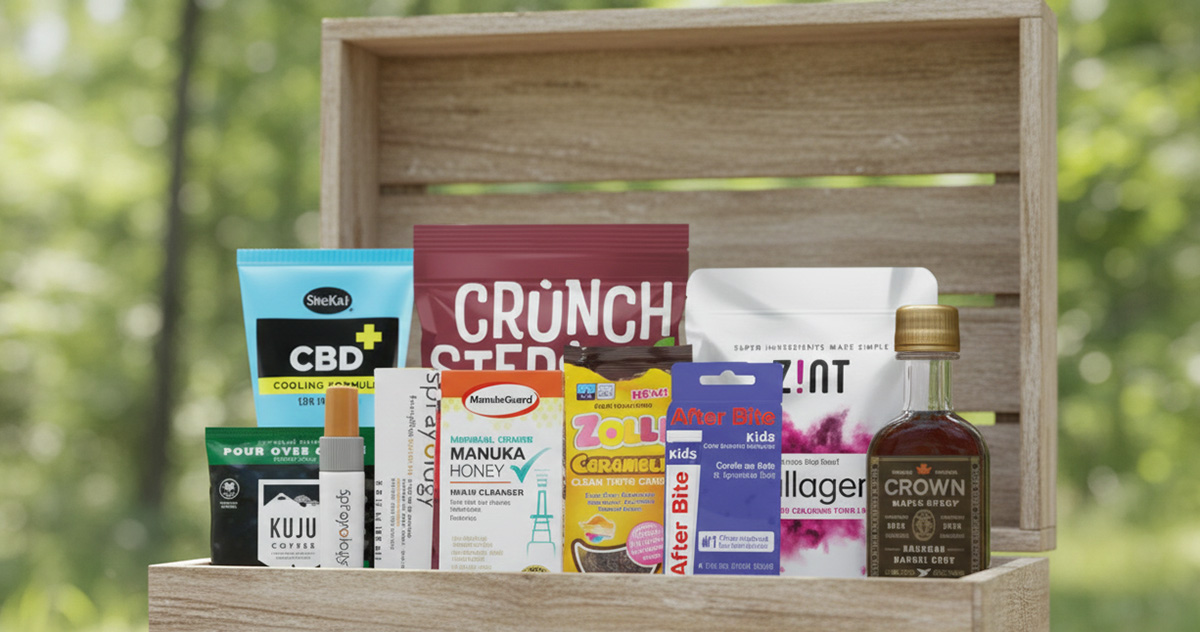
A Chesapeake-specific checklist for spotting hidden billing terms and unsolicited "free" packages before you enter any sample offer.
Entering free sample offers safely in Chesapeake, Virginia comes down to one habit: checking what an offer asks for before you hand over any information. A legitimate free sample never requires your full credit card number or an agreement to recurring charges, according to joint guidance from the Federal Trade Commission. Chesapeake sits within the service area of the Better Business Bureau of Greater Hampton Roads, and local consumer-protection resources are available if an offer turns out to be something other than what it claimed.
The rest of this guide walks through what regulators have documented about problem offers, the local warning that applies specifically to Hampton Roads residents, and the steps that keep a sample entry from turning into an unwanted charge.
Verification note: Program terms and availability can change. This page was checked against linked sources on October 27, 2026.
What Regulators Have Found With Problem "Free" Offers
The FTC has taken repeated enforcement action against sellers who advertise a sample or trial as free but structure it as the opening step of a paid subscription. In February 2019, the agency detailed cases where marketers charged a small shipping fee — as little as $4.95 in one case — up front, then billed consumers $98.71 or more through recurring charges the buyer never clearly agreed to, according to the FTC's February 2019 enforcement release. A related FTC case against a skincare seller found that the company's cancellation terms were reachable only by clicking a small "Terms and Conditions" link and scrolling through a pop-up window — a design the FTC said effectively buried the recurring-billing terms from buyers, according to the FTC's 2019 case summary.
The pattern regulators describe is consistent: the "free" part is real, but it is the entry point to a billing relationship the shopper did not clearly see coming. The Better Business Bureau's Institute for Marketplace Trust studied this problem at scale in December 2018, compiling nearly 37,000 complaints and Scam Tracker reports filed nationwide over three years. Consumers who reported a financial loss in that study lost an average of $186 each, according to the BBB's "Subscription Traps and Deceptive Free Trials" report.
That figure reflects reported losses nationwide, not a Chesapeake-specific count, but it shows the pattern is widespread enough that any "free sample" asking for payment details deserves a closer look.
A Warning Specific to Hampton Roads Residents
Chesapeake falls under the coverage area of the Better Business Bureau of Greater Hampton Roads, which has issued a specific caution for this region: don't open unsolicited "free" packages that arrive without having been ordered, and don't scan QR codes printed on them. The bureau warned that both actions can be used to carry out brushing scams or route the recipient to a phishing site, according to reporting on the BBB of Greater Hampton Roads' warning. This is distinct from the free-trial issue above.
A free trial trap involves something you signed up for and then got billed for; a brushing scheme involves something that shows up at your door that you never ordered at all, often used to generate fake reviews under your name or to harvest the data on the shipping label. If a package like this arrives, the safest step is to set it aside rather than scan anything printed on it.
How to Check a Sample Offer Before You Enter
Before entering any information into a free sample form, a few checks line up with what the FTC and BBB have documented as the clearest warning signs: Running through this list takes under a minute and avoids the two most common complaint patterns regulators have documented: hidden recurring charges and data harvested from a package you never ordered.
- Does the form ask for a full credit or debit card number for an item advertised as free? Regulators say this is a hallmark of a subscription trap, since a genuinely free sample has no reason to need payment credentials, per FTC and BBB consumer guidance.
- Is there a "Terms and Conditions" link that's small, hard to find, or requires scrolling through a pop-up to reach? The FTC flagged exactly this design in a past enforcement case as a way of hiding recurring-billing terms.
- Did the sample arrive unsolicited, with no order behind it? If so, treat it the way the BBB of Greater Hampton Roads recommends: don't scan any QR code on the package.
- Does the offer ask only for shipping information and basic demographic questions, with no payment fields at all? That structure matches what regulators consider a straightforward sample request rather than a billing funnel.
Where Genuine Free Samples Still Exist
Retailers that sell the products directly are one of the more straightforward sources of a free sample, because the sample is tied to a transaction you're already making rather than a stand-alone signup. Sephora customer-support staff have confirmed that any online order, regardless of size, still lets the shopper choose up to two free deluxe samples on the first checkout page before completing the purchase, according to an official reply in Sephora's customer-support community. That kind of sample costs nothing beyond what you're already buying and never asks for separate billing information.
The same no-payment-required standard applies broadly: if a sample offer wants nothing more than a shipping address and a short questionnaire, it matches what the FTC and BBB describe as the normal shape of a legitimate offer. If it wants a card number attached to something marked free, that mismatch is the signal worth pausing on.
What to Do If an Offer Doesn't Check Out
Chesapeake residents can report a suspicious "free sample" solicitation directly to the Virginia Attorney General's Consumer Protection Section, either by phone at (800) 552-9963 for in-state calls or through a written complaint filed on the office's online form, according to the Office of the Virginia Attorney General. Filing a complaint doesn't undo a charge that's already gone through, but it creates a record that regulators can act on, the same way the enforcement cases cited above started. If the issue is a package that showed up unordered rather than a billing dispute, the BBB of Greater Hampton Roads' guidance still applies: don't scan any code on it, and don't assume it's safe just because it arrived through a normal shipping carrier.
Keeping the two problems separate — unwanted billing versus an unsolicited package — helps match the response to the actual risk.
Frequently Asked Questions
Is it normal for a free sample form to ask for a credit card number?
No. The FTC and BBB both describe a card-number request on a free item as a hallmark of a subscription-trap structure, not a standard part of a genuine sample offer.
What should I do with an unordered package that shows up at my door?
The BBB of Greater Hampton Roads, which covers Chesapeake, recommends not scanning any QR code printed on it and treating it as unsolicited rather than assuming it's a legitimate gift.
Where can Chesapeake residents report a suspicious sample offer?
The Virginia Attorney General's Consumer Protection Section takes complaints by phone at (800) 552-9963 or through its online complaint form.