How to Enter Event Ticket Giveaways in Winston-Salem, North Carolina Without Scams
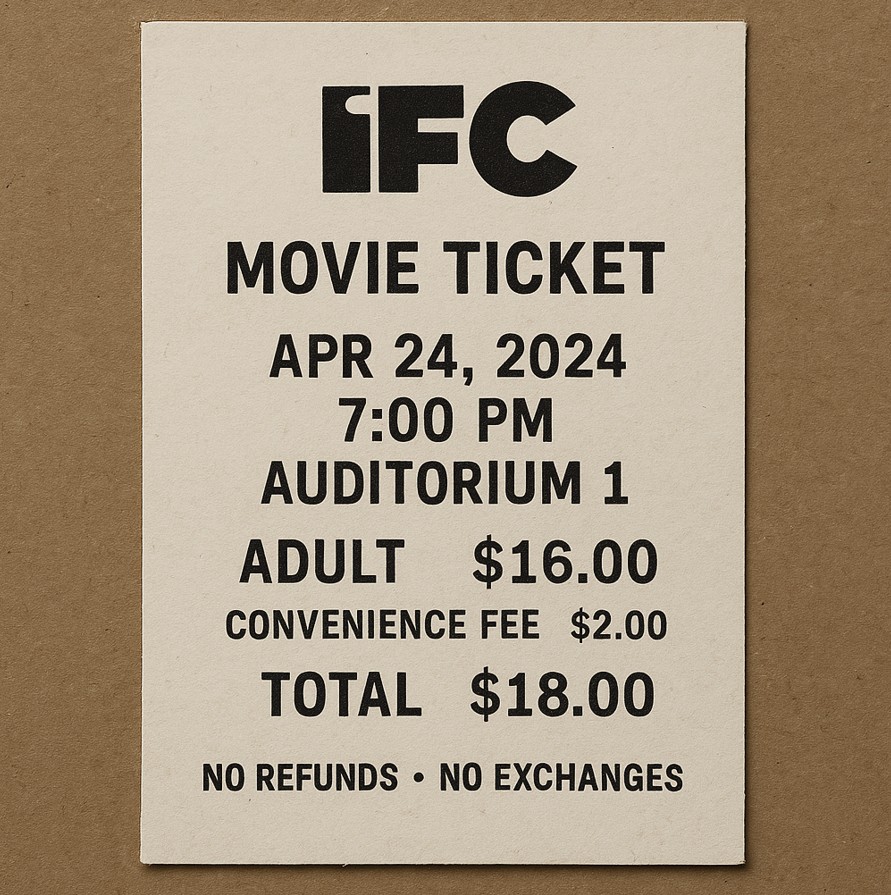
A step-by-step check for spotting legitimate Winston-Salem ticket giveaways and avoiding fake listings before you enter or pay.
Enter event ticket giveaways in Winston-Salem by using only sponsor-verified channels — radio stations, sports teams, and arts organizations that publish written contest rules — and never paying any fee to claim a prize. A real giveaway never asks a winner to send money first; that single rule filters out nearly every scam variation.
Verification note: Program terms and availability can change. This page was checked against linked sources on October 26, 2026.
Where Winston-Salem Ticket Giveaways Actually Happen
Legitimate ticket giveaways in the Winston-Salem market run through organizations with a direct stake in the event, not through random social-media posts. Audacy's local stations, including WQMG 97.1, publish official written contest rules for each giveaway they run, spelling out the entry method, the exact entry window, the number of winners, and a one-entry-per-person-per-day limit, as shown in WQMG's official contest rules for a recent concert giveaway. Local organizations run the same kind of promotion directly.
The Winston-Salem Symphony has given away tickets through a stated no-purchase-necessary structure and a fixed entry deadline, communicated through its own channels or a named media partner, as documented in the Winston-Salem Symphony's ticket giveaway announcement. The Winston-Salem Dash, the city's Minor League Baseball team, runs comparable sponsor giveaways through its own official channels. The pattern that separates a real giveaway from a risky one is simple: a legitimate entry happens on the sponsor's own website, app, or verified social account, with written rules you can read before you enter.
If a "giveaway" only exists as a third-party post with no visible sponsor and no rules page, treat that absence as the warning sign itself.
The Payment Request Is the Clearest Warning Sign
No legitimate sweepstakes or giveaway will ever ask a winner to pay a fee to release a prize. The Federal Trade Commission's consumer alert states directly that a real giveaway never requires paying for taxes, shipping, or "insurance" before you can collect what you won, and any such request signals a problem, according to the FTC's "Don't Pay for a Prize" alert. This rule applies regardless of how convincing the story sounds.
If a message claims you've won tickets but need to send a processing fee, a verification charge, or a shipping payment through a money app, that request itself is the thing to walk away from — not something to resolve by paying and asking questions later.
Fake Listings Tied to Big Local Games
Winston-Salem has already seen a documented version of this problem tied to a major sporting event. The North Carolina Attorney General's office warned on Feb. 4, 2026, that scammers were posting fake ticket listings on TikTok ahead of the UNC-Duke basketball game, often inventing a family emergency as a reason to sell quickly and demanding payment through Venmo or Zelle before sending tickets that were counterfeit or never existed at all, according to the NC Department of Justice's February 2026 alert.
The same alert applies directly to anything framed as a giveaway or a quick resale around a high-demand local event. A high-profile game or concert draws more fake listings precisely because demand is high and buyers are in a hurry. Treat any urgent, sob-story pitch for tickets to a big Winston-Salem event with the same caution the Attorney General's office describes for the UNC-Duke matchup.
How to Pay and Verify Before You Click
When a giveaway or related ticket purchase does involve a transaction — for example, a discounted add-on ticket tied to a promotion — the same NC Department of Justice alert recommends buying only through established ticket sites, confirming the browser shows "https" and a lock icon, and paying by credit card rather than debit card or a peer-to-peer app, because a credit card charge can be disputed later, per the NC DOJ's Feb. 2026 guidance. Before entering or paying anything, run through this quick check: North Carolina law also caps what a reseller can charge above a ticket's face value at $3 for an in-person resale, with a narrow exception for a written agreement between a venue or promoter and an authorized ticket agency, under N.C. Gen. Stat. § 14-344.
An in-person seller charging well above that markup is operating outside what the statute allows.
- Does the sponsor's own website or verified account host the entry, with written rules you can read?
- Is there any request for payment, "insurance," taxes, or shipping before you can claim a prize? If yes, stop.
- Does the browser address show "https" and a lock icon before you enter any payment information?
- Are you paying by credit card, not debit or a peer-to-peer app, for anything that does require payment?
- Does the listing or message create urgency — a sudden emergency, a "today only" deadline — to rush your decision?
What to Do If Something Already Went Wrong
If you believe you've encountered a fraudulent ticket listing or giveaway, North Carolina residents can file a report with the Attorney General's Consumer Protection Division at 1-877-5-NO-SCAM or through ncdoj.gov, the state's designated reporting path for exactly this kind of complaint, according to the NC DOJ's February 2026 alert. Reporting matters even if you haven't lost money yet. A report on a fake listing or a suspicious giveaway pitch helps investigators track patterns tied to specific events, platforms, or payment methods before more people are targeted around the same game or concert.
Frequently Asked Questions
Is it normal for a ticket giveaway to ask for a small fee to cover shipping?
No. The FTC's alert states a legitimate giveaway never requires payment for taxes, shipping, or "insurance" to release a prize — any such request is a warning sign, not a normal step.
What payment method is safest if I do need to pay for an add-on or resale ticket?
The NC Department of Justice recommends a credit card over a debit card or peer-to-peer app like Venmo or Zelle, because a credit card charge can be disputed if something goes wrong.
Where should I report a suspicious ticket listing in North Carolina?
Contact the NC Attorney General's Consumer Protection Division at 1-877-5-NO-SCAM or through ncdoj.gov.