How to Enter Event Ticket Giveaways in Chicago, Illinois Without Scams
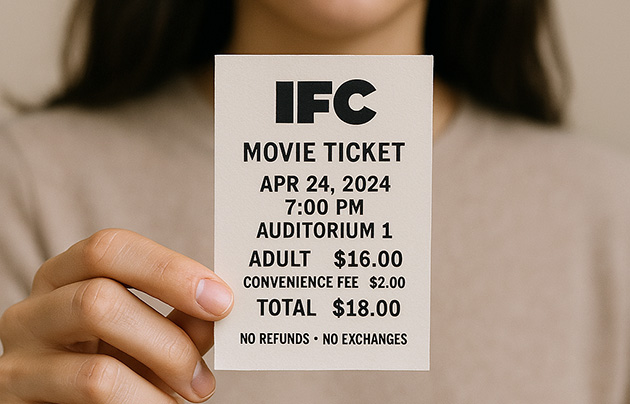
Enter Chicago ticket giveaways safely by verifying official sources, recognizing common scam patterns, and never paying to claim a prize.
To enter event ticket giveaways in Chicago without falling for scams, start by sticking to established sources: official venue websites for theaters and concert halls, verified social media accounts of promoters and artists, local news station contests, and radio station promotions. These organizations conduct legitimate giveaways with transparent entry rules and don't ask for payment or unnecessary personal information. For example, the Chicago Tribune frequently runs ticket giveaways for concerts and theater productions, requiring only an email signup and perhaps a simple form completion—never asking for passwords, social security numbers, or upfront fees.
Scams in the ticket giveaway space typically involve fake ticketing websites, phishing emails posing as promoters, or pop-up ads promising free VIP access in exchange for personal data. The safest approach is to treat unsolicited offers with skepticism, verify every giveaway's legitimacy before entering, and understand that real promoters don't need your credit card information or driver's license number to give away free tickets.
Where to Find Legitimate Chicago Ticket Giveaways
Official venue websites remain the most reliable source for authentic giveaways. Major Chicago venues like the United Center, Wintrust Arena, Civic Opera House, and various independent theaters post promotions directly on their sites and verified social media channels. Radio stations including WKQX, WXRD, and others frequently run ticket giveaways as part of their regular programming, and entry typically happens via their official website or by calling during a specific broadcast window.
Local news outlets (WGN, ABC7, NBC5) run seasonal giveaways tied to major concerts, festivals, and theater productions. These giveaways follow strict regulatory requirements since broadcasters are monitored by the FCC. Artist and promoter accounts on Instagram, TikTok, and Twitter sometimes announce giveaways directly to fans, but always verify the account is official by checking verification badges and comparing the handle to what's listed on the artist's main website.
How to Verify a Giveaway Is Real Before Entering
Before submitting any information, check the URL carefully—legitimate giveaways use the official domain of the venue, station, or promoter, not a lookalike URL with extra characters or a different extension. For example, a fake site might use "chicagoticketsgiveaway.net" instead of "wgntv.com," hoping users won't notice the difference. Hover over links in emails to see the actual destination URL before clicking.
Look for red flags that suggest a scam: requests for payment of any kind, demands for your full social security number (a legitimate giveaway might ask for partial information for tax purposes, but not the full number), requests to download unknown software or apps, requirements to sign up for paid services, or vague rules about how winners are selected. Legitimate contests always have clear terms and conditions posted on the entry page, including how many winners will be selected, when winners are announced, and how prizes are claimed.
Chicago-Specific Giveaway Sources and Platforms
Chicago has several active community platforms where legitimate giveaways are posted and discussed. Neighborhood social media groups, particularly on Facebook or NextDoor, sometimes feature giveaways shared by local promoters. Chicago music blogs and entertainment websites occasionally aggregate upcoming giveaways from verified sources.
The Illinois Attorney General's office publishes guidance on contest laws, which can help you understand what practices are actually legal. The city hosts seasonal events and festivals where ticket giveaways for related performances are common. Chicago summer concert series, theater festival promotions, and sports event preliminaries often come with associated giveaways.
Following official Chicago tourism accounts and the city's event calendar can alert you to legitimate promotions tied to major announcements or festival launches.
Step-by-Step Entry Process Without Sharing Too Much
When entering a legitimate giveaway, prepare only the information you're willing to have stored in a database: typically a name, email address, and perhaps a phone number. Create a separate email address if you prefer not to mix personal and promotional mail, since giveaway entries often lead to marketing emails from the venue or promoter. Read the privacy policy to understand whether your data will be shared with third parties.
During entry, stop and reconsider if the form asks for your full address, date of birth, credit card details, or bank account information—legitimate ticket giveaways don't require these. If you're entering via social media, be cautious about giveaways requiring you to follow multiple unknown accounts or share the post to your own feed; these can be farming operations designed to inflate follower counts rather than actual promotions. Some giveaways ask you to tag friends or share posts as additional entry methods, which amplifies their reach but doesn't increase your odds of winning.
Common Scam Patterns to Recognize and Avoid
The most common ticket giveaway scam involves a fake confirmation email sent after you enter, claiming you've won but need to click a link to "claim your prize" or enter additional details. These emails often have slightly off branding, awkward phrasing, or sender addresses that don't match the official venue. Never click links in unexpected emails; instead, log directly into the official website or call the venue directly to confirm if you've won.
Another widespread pattern involves third-party websites claiming to sell "discounted" or "guaranteed" tickets to sold-out Chicago shows, often promoted through ads. These sites aren't giveaways at all but fraudulent ticket retailers. Giveaways never require payment to enter or claim prizes.
If someone offers you free VIP tickets in exchange for a fee to "process" or "ship" them, or asks you to purchase a small starter kit or membership, that's a scam masquerading as a giveaway.
How Winners Are Contacted and Tickets Delivered
Legitimate giveaways notify winners through the contact method they used to enter. If you entered via email, the venue will email you directly from their official address. If you called a radio station, they'll call or text you.
Winners are never asked to pay taxes, shipping fees, or processing costs; reputable organizations handle these costs or the tax filing themselves. Tickets arrive either digitally (via email, as PDFs or mobile passes) or physically (mailed to your address), depending on the giveaway terms. Be cautious if a "winner notification" asks you to verify your identity by visiting a website—always navigate to the official venue site independently rather than clicking links in the notification.
Scammers sometimes pose as winning notification services and send phishing links that look professional but steal login credentials.
Protecting Yourself After Entering Multiple Giveaways
If you enter several Chicago ticket giveaways over time, expect marketing emails and occasional spam. Use email filters to organize giveaway confirmations in a separate folder, and don't hesitate to unsubscribe from promotional emails if a venue uses your entry to add you to an unwanted mailing list—legitimate organizations always include an unsubscribe link. Monitor your email for phishing attempts claiming you've won when you haven't actually entered anywhere; these are typically sent to broad email lists and not personalized to actual contestants.
If you ever suspect you've entered a fraudulent giveaway after submitting information, contact the actual venue directly, report the suspicious site to the Federal Trade Commission through reportfraud.ftc.gov, and consider placing a fraud alert with the three major credit bureaus if personal information was compromised. Your caution and skepticism are your best tools—legitimate promoters expect winner verification and won't pressure you to act quickly or bypass safety steps.
- --
Frequently Asked Questions
What information is safe to give when entering a Chicago ticket giveaway?
A name, email, and phone number are standard and generally safe. Avoid providing your full social security number, credit card information, or bank account details—legitimate giveaways don't request these.
How can I tell if a giveaway email is fake?
Check the sender's email address carefully, look for spelling errors or awkward phrasing, and verify the domain matches the official venue website. When in doubt, navigate directly to the venue's website rather than clicking links in the email.
Do I have to pay taxes on ticket giveaway winnings?
Winners may owe federal taxes on prize value, but the organization running the giveaway doesn't ask you to pay upfront or "process" fees. They handle tax reporting if you win.
Are Facebook or Instagram ticket giveaways reliable?
Only if the account is verified and belongs to an official venue, radio station, or artist. Scammers impersonate these accounts frequently, so double-check verification badges and compare the handle to the official website.
What should I do if I suspect I've entered a fake giveaway?
Report it to the FTC at reportfraud.ftc.gov, contact the venue the scam impersonated, and monitor your email for phishing attempts or unusual account activity.
Why do some giveaways require following multiple accounts or tagging friends?
These requirements boost the promoter's social media presence and reach. They don't improve your odds of winning; they're just ways to amplify the giveaway's visibility.