How to Donate Instead of Exchanging a Bad Gift This Year
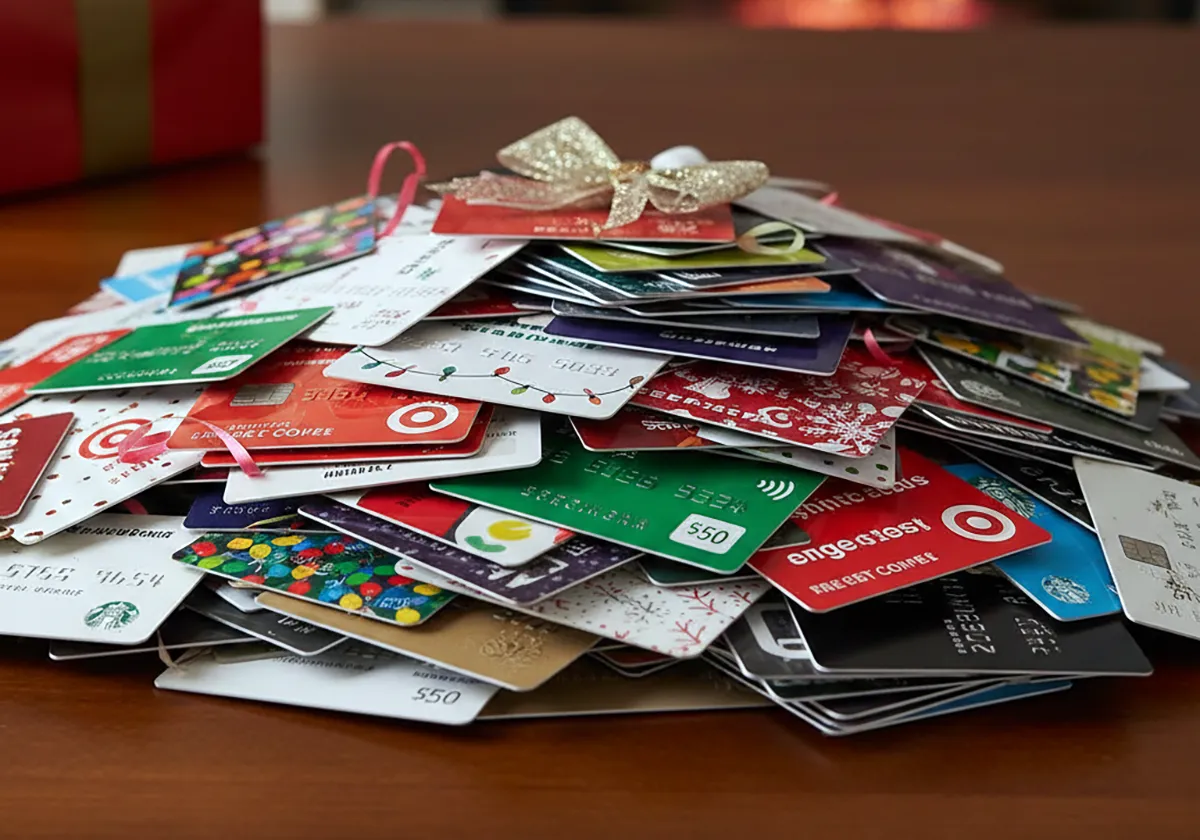
Skip the exchange line by routing usable gifts to thrift resale, with receipts and value notes saved.
To donate instead of exchanging a bad gift, keep the item new or in usable condition, choose a qualified charity that accepts that item type, and bring or schedule the donation with a receipt. Skip the exchange line and let the charity resell or distribute the item. Many unwanted gifts still have reuse value for local thrift stores and seasonal toy drives.
Passing along a usable item can put it to work faster than shipping it back through a return system.
Verification note: Program terms and availability can change. This page was checked against linked sources on November 24, 2026.
Where can a usable gift go?
Clothing, toys, electronics, and household goods in usable shape fit many local thrift operations. The Goodwill network says it accepts dropped-off or scheduled-pickup clothing, toys, electronics, and household goods, resells them locally, and uses revenue to fund job training and employment programs, described in Goodwill donation information. Furniture, clothing, and household goods can also go through thrift-store pickup routes.
The Salvation Army says its thrift stores accept gently used clothing, furniture, household goods, and vehicles through ZIP-code drop-off lookup or free pickup at 1-800-SA-TRUCK, with receipts issued at drop-off, described in Salvation Army thrift store FAQ.
Can you claim a tax deduction?
A donation may qualify for a noncash charitable deduction, but the rules are narrow. The Internal Revenue Service says a deduction is allowed only for gifts to qualified organizations, generally limited to fair market value, and only for donors who itemize on Schedule A, described in IRS guidance on noncash gifts. Fair market value means the price a willing buyer would pay for the item in its current condition.
New gifts are often worth near retail, while opened or used items are worth less.
What records should you keep?
Keep the drop-off receipt, note the charity name and date, and photograph the item before donation. For larger totals, the Internal Revenue Service says donors must keep receipts and attach Form 8283 when total noncash donations exceed $500, and used clothing and household goods must be in good used condition or better to be deductible at all, described in IRS rules for documenting noncash donations. Confirm the recipient qualifies before valuing the gift, and assign the value yourself.
The charity receipt proves transfer, not worth.
When does donation make more sense than exchange?
Donation fits low-value, bulky, or final-sale items where return shipping, restocking, and repackaging erase the refund. It also fits duplicates, odd sizes, and styles the recipient will not use. Exchange fits defective, incomplete, missing-part, or wrong-item deliveries.
A return also makes sense when the store offers full value and the item is unused with tags and packaging.
How to do it this week
Use 1-800-SA-TRUCK for free Salvation Army pickup where available, or use ZIP-code lookup for the nearest drop-off.
- Check tags, parts, batteries, and packaging, and keep the item clean.
- Match the item to the right stream: thrift resale, furniture pickup, or new-toy collection.
- Call ahead for hours, size limits, and pickup zones.
- Bring the gift, get a receipt, and record the charity, date, and condition.
- For a possible deduction, save photos and note fair market value at donation time.
Frequently Asked Questions
Can I donate an opened gift?
Yes, when all parts work and the condition is usable. Thrift stores focus on resale condition, while tax rules require good used condition or better for clothing and household goods.
Do I need the original gift receipt to donate?
No. The store receipt matters for exchanges, not donations. For donations, keep the charity receipt and your own record of item, date, and value.
What if the gift is broken or missing parts?
Return or exchange it when possible. Charities generally need complete, usable items they can resell or distribute.