How to Dispute a Charge From a Black Friday Order
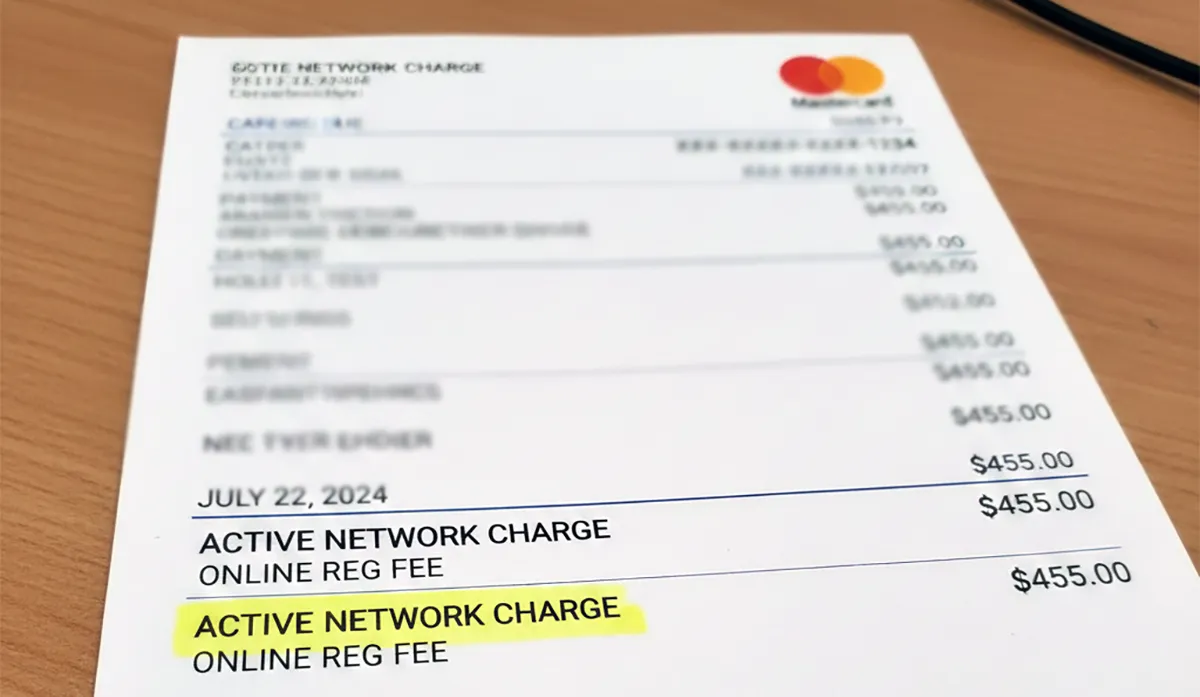
Send the right dispute letter to the right address before the 60-day credit card deadline passes.
To dispute a charge from a Black Friday order, contact the seller first and ask it to reverse the charge. If the seller will not fix it, call your card company right away and then send a written billing-error notice. A billing-error notice is a formal letter that asks your card issuer to investigate a wrong charge.
According to the Consumer Financial Protection Bureau, starting with the merchant gives you the fastest path to a refund, while the written notice protects your rights under federal billing rules through contact the seller first.
Verification note: Program terms and availability can change. This page was checked against linked sources on November 03, 2026.
Contact the Seller, Then Your Card Company
Ask the Black Friday seller to cancel, return, or refund the order before you file paperwork. Keep order numbers, chat logs, and names of anyone you speak with. If the merchant refuses or stops responding, call the number on the back of your card without delay.
Tell the representative the date, amount, and reason for the dispute.
- Explain what you bought and what went wrong
- Share proof you contacted the seller
- Ask what address takes written billing disputes
What Should Your Letter Include?
Your letter must give the issuer enough detail to find the charge and understand the problem. The Federal Trade Commission sample guidance says to identify yourself and your account, state the amount and date, explain the error, and enclose copies of supporting papers. Include receipts, cancellation emails, tracking records, or return proof.
Send copies, not originals, and keep a full set for your files.
- Your name, address, and account number
- Dollar amount, charge date, and merchant name
- Plain reason the charge is wrong, with enclosed copies
Where and When Should You Send It?
Timing matters for credit cards. According to the Consumer Financial Protection Bureau, your written notice must reach the issuer no later than 60 days after it sent the first statement showing the charge, described in the 60-day billing-error notice rule. Mail the letter to the address for billing disputes or errors, not the payment address.
According to the Federal Trade Commission, send it preferably by certified mail with return receipt, as explained in its billing-dispute address guidance.
What Happens While the Issuer Investigates?
After it receives your notice, the issuer must acknowledge it in writing within 30 days. According to the Consumer Financial Protection Bureau, it must finish its investigation within two billing cycles and not more than 90 days, under the Regulation Z investigation timeline. While the case is open, you may withhold payment on the disputed amount and related finance charges.
You must still pay any part of the bill that is not in dispute.
What If the Order Never Arrived or You Used Debit?
Late shipment has its own rule. An online seller must ship by its promised date or within 30 days, or notify you of delay and offer cancellation with a prompt full refund. Debit cards have narrower, faster loss limits.
Report an unauthorized transfer within 2 business days to cap loss at 50 dollars, and within 60 days to cap loss at 500 dollars. Later notice can forfeit recovery, and unresolved cases can be escalated to consumer complaints and fraud reports.