How to Claim a Donation Deduction Without Itemizing in 2026
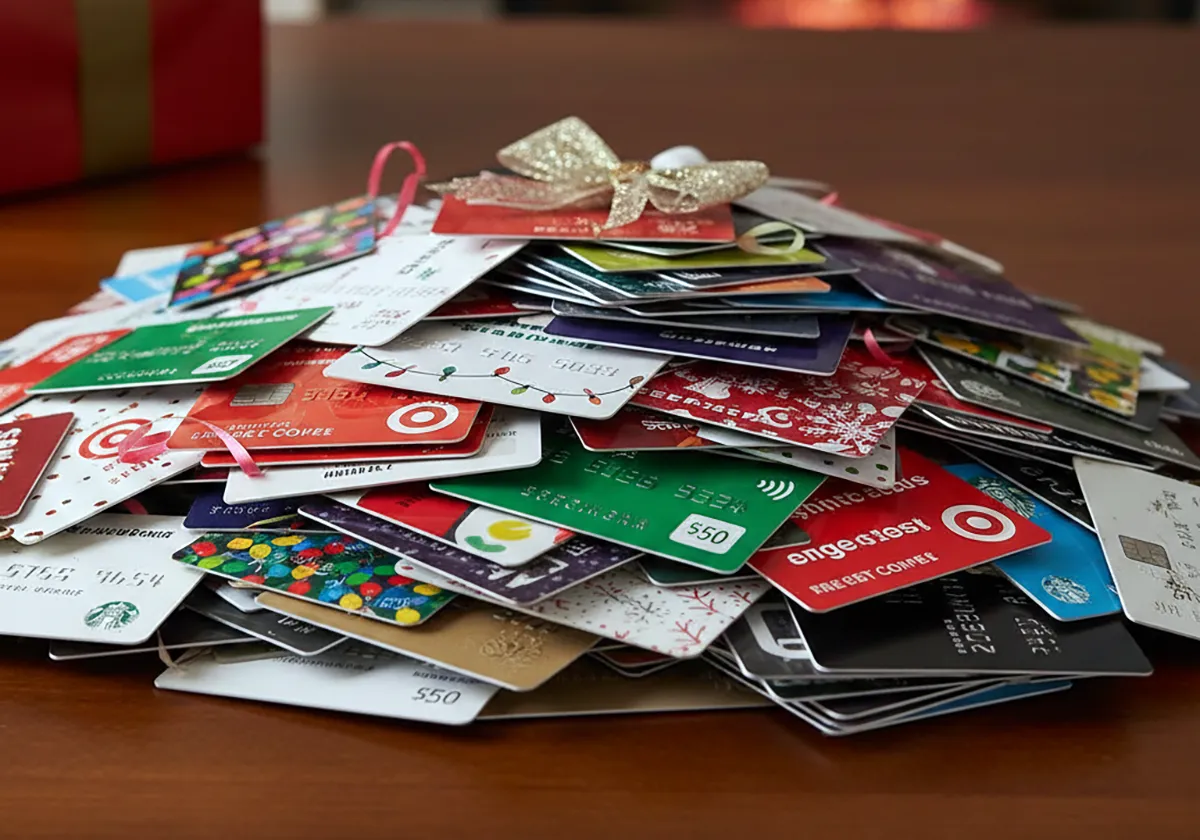
Claim up to $1,000 or $2,000 in cash gifts on top of the standard deduction with simple 2026 records.
To claim it in 2026, list qualifying cash gifts as an above-the-line deduction on your federal return, plus the standard deduction. Above-the-line means it lowers adjusted gross income directly instead of going on Schedule A. The One Big Beautiful Bill Act created this permanent option for people who do not itemize, starting with tax year 2026, as Taft Law explains in its 2026 outlook.
Single filers can deduct up to $1,000 in cash gifts. Married couples filing jointly can deduct up to $2,000, according to the IRS in its tips for tracking charitable donations.
Verification note: Program terms and availability can change. This page was checked against linked sources on November 05, 2026.
How does it work on your return?
You claim the standard deduction as usual. Then you add qualifying gifts on the above-the-line line for this deduction. It does not go on Schedule A with itemized gifts.
It lowers adjusted gross income because it sits above the line.
Which cash gifts qualify?
Only direct cash gifts to qualifying public charities count, according to IRS guidance. That includes checks, credit cards, and bank transfers. Check the charity's legal name or EIN in the IRS Tax Exempt Organization Search before you give.
Confirm it shows active 501(c)(3) public-charity status. Give in a way that leaves a clear cash trail:
- Pay by check, card, or bank transfer.
- Give directly to the public charity.
- Keep noncash gifts separate because they do not count here.
Which gifts do not qualify?
Clothing, stock, vehicles, and other property do not count for this deduction. Only cash counts, even if the other gift went to a qualifying charity. Gifts to donor-advised funds, private foundations, and supporting organizations also do not qualify, as the Congressional Research Service explains in its charitable-giving analysis.
Gifts to individuals and GoFundMe-style personal campaigns do not qualify either.
What paperwork do you need?
Keep proof for every cash gift. University of Maryland researchers note in their receipt reminder that every gift needs a bank record or charity note with name, date, and amount. Use this checklist for 2026 gifts: Any single gift of $250 or more needs a contemporaneous written acknowledgment.
The same University of Maryland analysis flags this $250 letter as the forgotten step. Get it before you file.
- Save bank statements or charity notes for all gifts.
- Ask for a large-gift letter right after you give.
- Store letters with your tax records.