How to Check if a Toy Giveaway Post Is Real
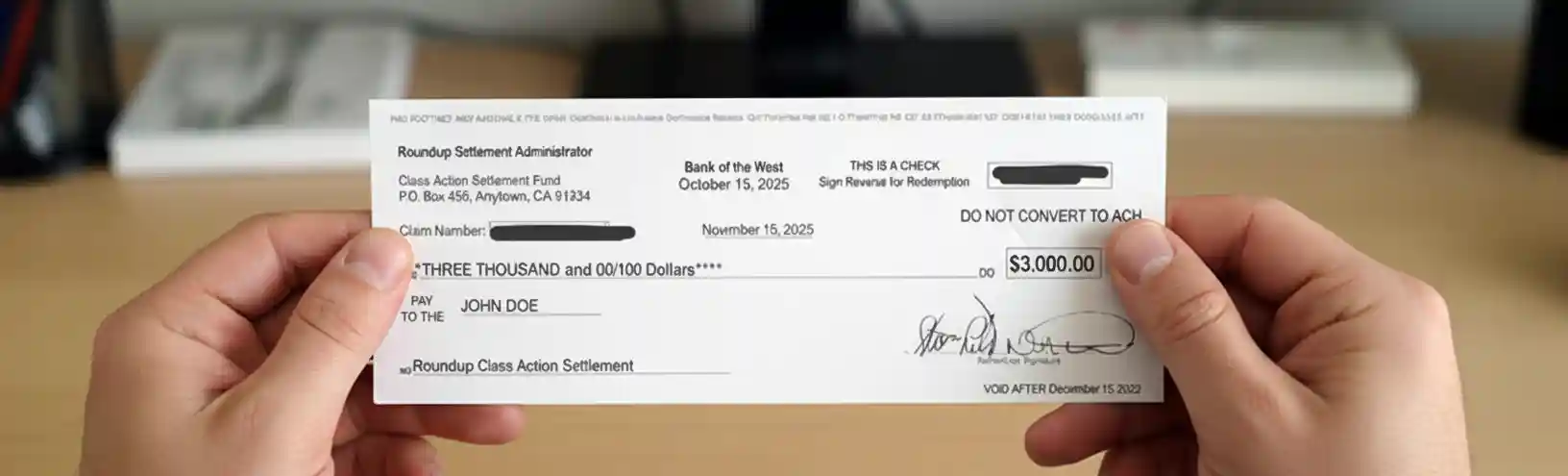
Learn the payment, contact, and account checks that reveal a fake toy prize post before you click.
Check the sponsor account, the written rules, and any request for money or personal details. A real toy giveaway post names a reachable sponsor, links to clear entry terms, and never asks you to pay or share sensitive data to claim a toy. A toy giveaway post is a social media post that offers a chance to win toys for entering.
Many copy the look of a store or charity post. A short check of payment demands, contact paths, and sponsor identity can help you decide fast.
Verification note: Program terms and availability can change. This page was checked against linked sources on November 19, 2026.
Does it ask for payment or account numbers?
The Federal Trade Commission states in its fake prize guidance that winners never pay taxes, shipping, processing, or delivery to claim a prize. A demand for a fee, gift card, wire, or payment-app transfer is a warning sign. Close the post and do not send money.
The same guidance warns against sharing bank-account, credit-card, or Social Security numbers to claim a prize. Real sweepstakes are free and decided by chance. A request to pay for better odds is also unlawful.
Who really posted it?
Look past the logo and display name. Check the account handle, age, follower count, post history, and linked website. New accounts, slight misspellings, and comments turned off deserve extra care.
The Federal Trade Commission notes in its social media giveaway alert that fraud often starts on social media and that readers should contact the business through an independently known phone number, email, or website. Type the address yourself instead of tapping the post link. If the store cannot confirm the giveaway, do not enter.
- Sponsor name and street address or toll-free number are listed
- Written rules show entry period, eligibility, prize count, and how winners are picked
- Entry stays on the sponsor website or named social account
- Winner notice comes from that same account, not a look-alike
Can you confirm the sponsor and rules?
Arizona's Attorney General explains in its sweepstakes tips that legitimate sponsors identify themselves and provide an address or toll-free number. Use those details to ask about dates, age or location limits, purchase rules, and prize pickup. Missing contact details or vague rules are warning signs.
The same tips advise checking the promoter's reputation with the local Better Business Bureau. Search the contest or company name with words such as complaint or review. A pattern of prize complaints, changed names, or no trace of the sponsor means you should pass.
What should you do before you click or share?
Pause on rush language such as act now, last toy left, or message within one hour. Pressure to reply fast, keep the win secret, or move to text chat is common in false winner messages. A real toy prize can wait while you verify.
Do not share ID photos, bank details, or codes sent to your phone. Do not pay to enter, to ship the toy, or to release funds. If you already shared payment data, contact your bank and watch statements for unknown charges.
The Federal Trade Commission and Justice Department overview in its fraud-reporting summary directs consumers to report prize and impersonation scams at ReportFraud.ftc.gov and sends internet crimes to FBI IC3. Save the post link, screenshots, and any messages before you report.