How to Build a Holiday Savings Fund in Six Weeks
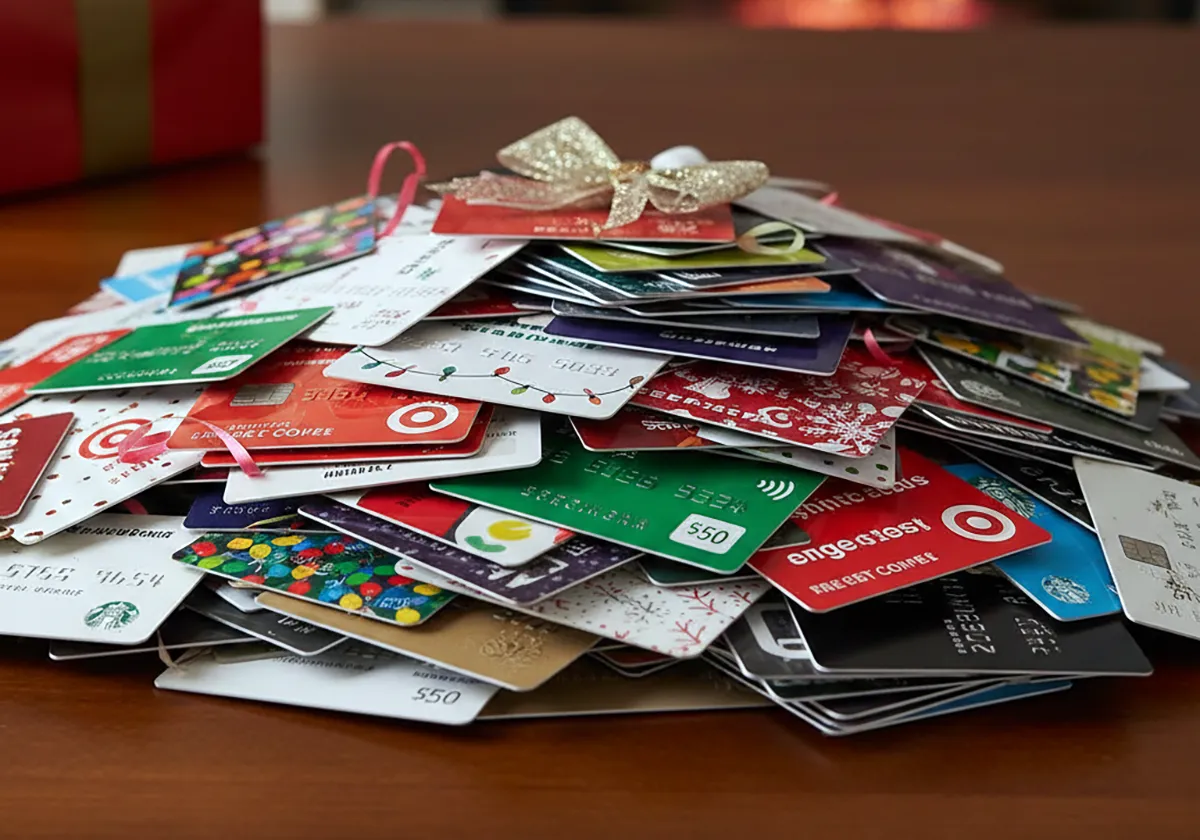
Save about $148 a week for six weeks in a separate account to cover gifts, travel and meals.
Build a holiday savings fund in six weeks by dividing your holiday total into six equal weekly deposits and automating the transfers. A holiday savings fund is a separate short-term savings account used only for seasonal costs. For many households, that target is about $890.
U.S. consumers planned to spend $890.49 per person on 2025 holiday gifts, food, decorations and seasonal items, the second-highest result in 23 years, according to the National Retail Federation in the Federation holiday survey. That equals about $148 per week for six weeks.
Verification note: Program terms and availability can change. This page was checked against linked sources on November 16, 2026.
How much should you save?
Start with a written total for gifts, travel, meals, parties and decorations. The Consumer Financial Protection Bureau advises holiday shoppers to set a budget, list costs beyond gifts, decide in advance how each purchase will be paid, and track spending against the list, according to the Bureau spending plan guidance. Use the $890 figure as a starting point, then adjust for your household.
Subtract amounts already saved or already purchased. The remainder is your six-week fund target.
What does $148 per week cover?
An $890 target divided by six weeks is about $148 per week. Smaller targets scale the same way: $600 needs $100 per week, and $300 needs $50 per week. The Consumer Financial Protection Bureau describes the same savings-planning approach of dividing the total needed by the available weeks or months to set each deposit, according to the Bureau savings guidance.
Pick a weekly transfer day tied to payday. Track each deposit against your list so shortfalls show early.
How do you stay on plan?
Automate the deposit so saving happens first. The Consumer Financial Protection Bureau says the easiest way to stay on plan is automatic saving by scheduling recurring checking-to-savings transfers or splitting direct deposit so part of each paycheck goes to savings first. If pay varies, set the base transfer to your lowest expected amount.
Move extra cash to savings on higher-pay weeks.
- Set a weekly recurring transfer for your deposit amount.
- Split direct deposit so part of each paycheck goes directly to holiday savings.
- Pause nonseasonal extras during the six weeks to protect the transfer.
Where should you keep the money?
Keep holiday money in a separate, easily accessible savings account at a bank or credit union. The Consumer Financial Protection Bureau recommends separation for short-term savings so daily spending does not absorb it. Avoid moving the fund into accounts with maintenance charges or early-withdrawal fees.
Keep a simple list of planned purchases beside the account balance. Financing holidays with buy now, pay later carries measurable risk: slightly more than one-fourth of users paid late, 17% were charged extra for lateness, and 11% had a payment trigger an overdraft or insufficient-funds fee, according to the Board of Governors of the Federal Reserve System in the Federal Reserve report on 2025 household credit.