How to Budget for Christmas Gifts on One Income
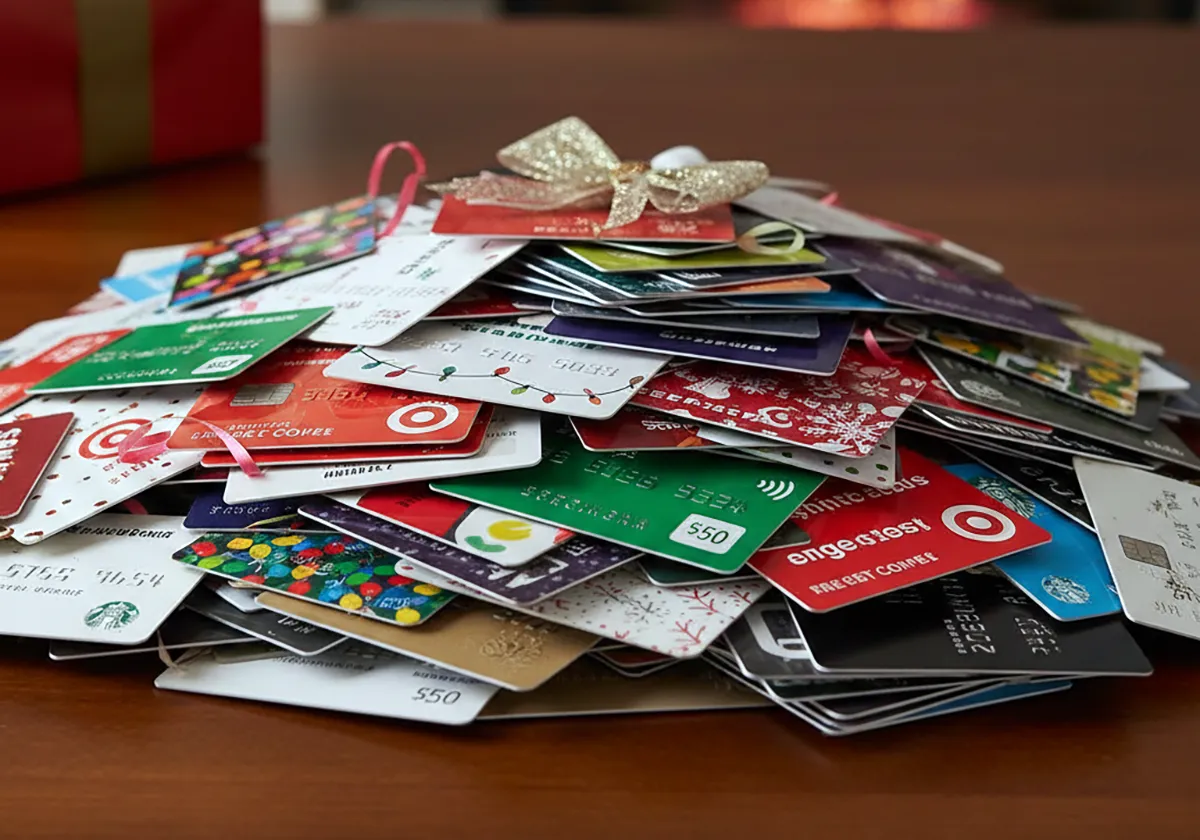
Set a holiday total one income can cover, cap each gift, and trim hidden costs before you shop.
Set one affordable total for gifts, travel, food, décor, and shipping, then assign every recipient a dollar limit and gift idea before you shop. Buy only from that list and stop when a limit is reached. A holiday spending plan is that written total plus the per-person limits.
On one income, it keeps December bills and gift costs from competing for the same paycheck.
Verification note: Program terms and availability can change. This page was checked against linked sources on November 23, 2026.
What total fits one income?
Start with what you can pay without borrowing. The Consumer Financial Protection Bureau advises setting an affordable total that covers gifts plus travel, parties, decorations, and other seasonal costs, not gifts alone spending plan guidance to avoid holiday debt. Use national spending as a ceiling check.
U.S. shoppers planned to spend an average of $890.49 per person on 2025 holiday gifts, food, decorations and related items. That was down 1.3% from $901.99 in 2024, according to National Retail Federation data reported via Retail TouchPoints holiday spending forecast.
Look at one month of take-home pay, subtract rent, utilities, food, gas, and debt payments. The amount left is the pool for the holidays. If that pool is $400, your gift cap must fit inside it.
How should you divide the total?
Split the total into capped categories before you shop. CPAs recommend separate caps for gifts, travel, meals and entertainment, décor, shipping, charitable giving, and pet care or babysitting holiday money tips from CPAs. Write the numbers down.
A $500 total might mean $300 for gifts, $75 for shipping and wrap, $75 for food and hosting, and $50 for travel or childcare. Pause 24 hours on any unlisted impulse buy. The American Institute of CPAs and Harris Poll found 47% of gift-or-travel planners expect to take on holiday debt, and written caps alone often fail.
A pause lets the urge pass without breaking the cap.
Who gets what?
List every recipient with a dollar limit and one specific gift idea. University of Missouri Extension advises making that list before shopping, then buying rather than browsing to curb impulse spending debt-free holiday shopping guidance. Keep the list short and exact: Shop from the list in one trip or one cart.
Browsing for ideas after the list is set invites extras.
- Partner: $75, cookbook from discount store
- Child: $100, two named toys, no add-ons
- Parent: $40, framed photo plus letter
How do you stay inside each limit?
Make limits physical. The same Extension specialist recommends cash in labeled envelopes or exact-value gift cards, shopping with only one credit card, and never maxing it out. Take only the envelope or card for that person.
Leave other cards at home. If the gift costs $3 more, swap it rather than adding funds. Track spending the same day.
Cross off each purchase, note shipping and tax, and move leftover cash to heating bills, property-tax bills, or savings. Small leaks cause most overruns.
How can you shrink costs without shrinking the holiday?
Cut the gift count. The Consumer Financial Protection Bureau lists low-cost substitutes such as drawing names so each person buys for one recipient, making gifts, or giving time and services instead of purchased items. Watch hidden extras: wrap, cards, shipping, holiday meals, hosting, parking or rideshares, and childcare.
Shop early, use coupons and price-matching, and automate a small monthly holiday fund so December does not carry the full load.