How to Budget Bill Your Winter Utility Payments
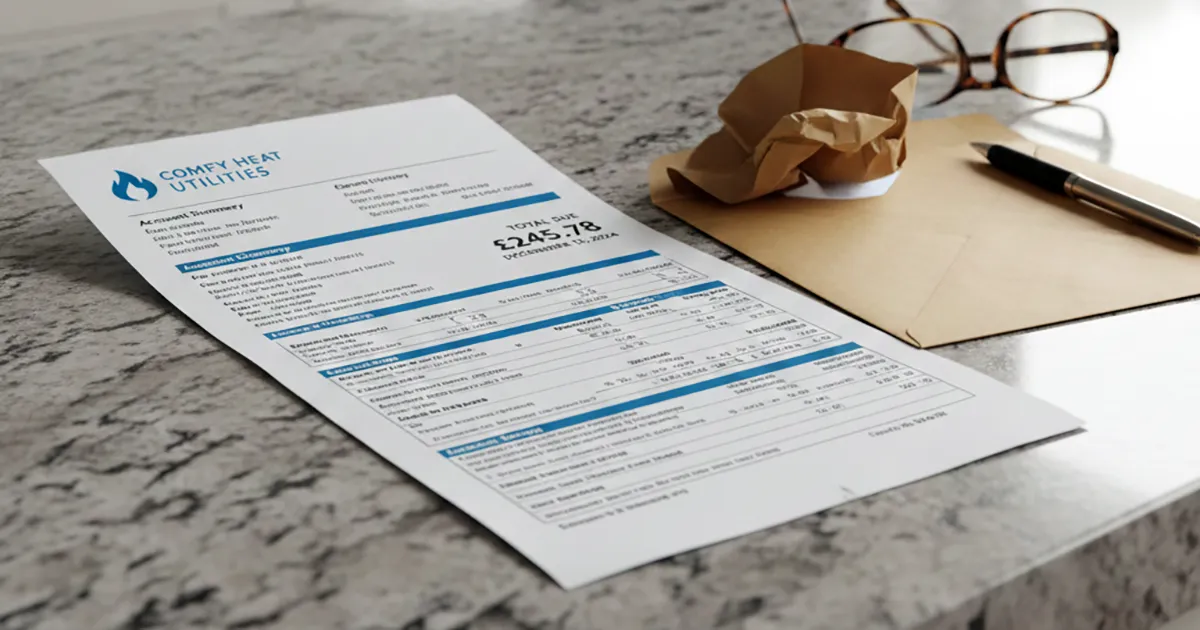
Spread winter heating costs into steady payments and head into settle-up month with no surprises.
To budget bill your winter utility payments, enroll in your utility's budget plan and pay the same set amount each month. Budget billing spreads projected annual energy costs into 12 balanced monthly payments. According to National Grid's budget plan explanation, high winter heating bills become predictable, but customers still pay only for actual yearly use.
You pay level amounts through cold months instead of a spike in January or February.
Verification note: Program terms and availability can change. This page was checked against linked sources on November 05, 2026.
How the monthly amount is set
Your utility estimates your yearly cost from past use and expected prices. In many cases it averages the prior 12 months and divides that total into equal payments. According to Memphis Light, Gas and Water's budget billing description, that history-based average sets the monthly installment.
Before you enroll, gather past bills if you have them. Ask how expected prices shaped your amount and what history your address needs.
Will the amount change during winter?
Winter cold snaps can push use above the estimate. According to Southern California Edison's budget billing details, usage is reviewed at months 3, 6 and 9. The same source notes the monthly amount may be adjusted, and you can request a change at any time.
Watch the bill section that compares actual use with budget payments. A growing shortfall early in winter signals a later adjustment.
What happens in month 12?
Month 12 is a settle-up month. According to Southern Illinois Electric Cooperative's budget billing explanation, the utility compares energy used with amount paid. Overpayments earn a credit and underpayments are billed, rather than rolling the balance forward.
Southern Illinois Electric Cooperative and Southern California Edison note that budget billing does not lower total cost. An extra-cold winter or higher rates can leave a large settle-up balance, so checking the actual-versus-budget balance helps you seek an adjustment earlier.
How do you stay on track?
Enroll before heating season starts so the level amount covers the coldest bills. Use the midyear reviews to keep the estimate aligned with real use. Put the settle-up month on your calendar and keep a small cushion for it.
- Ask your utility how to enroll and when your plan year starts.
- Compare actual use with budget payments on each bill.
- Request a review if use runs well above or below the estimate.
- Save a small cushion for the settle-up month.