How to Avoid Rental Car Insurance Upsells
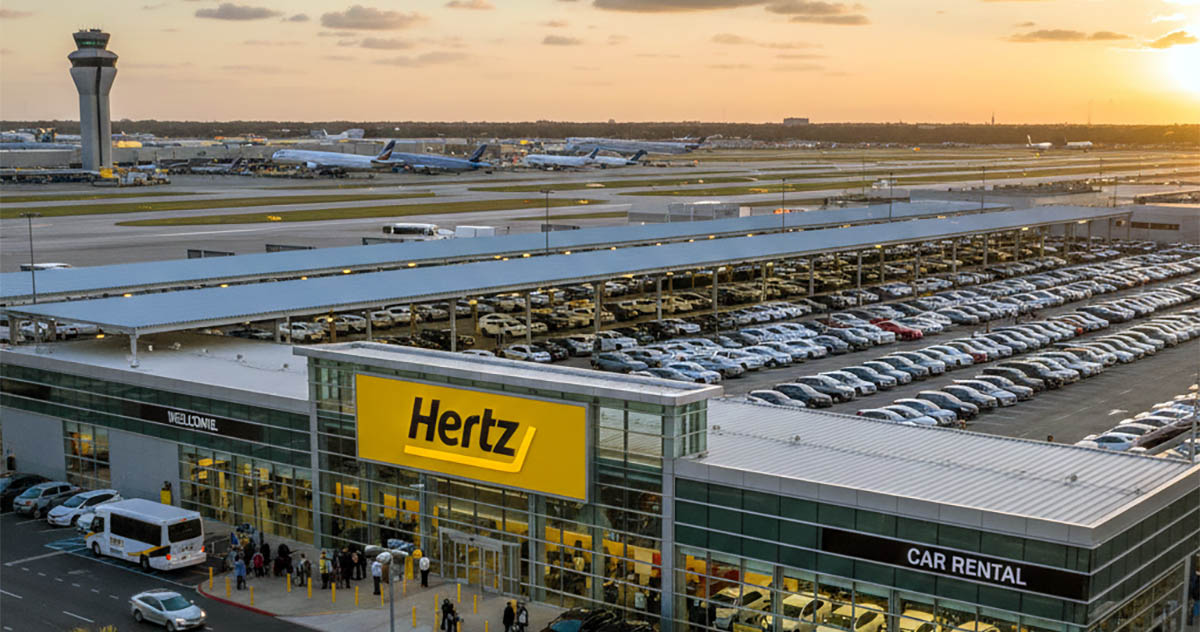
Learn which counter waivers duplicate your auto and card coverage so you pay only for gaps.
You can avoid rental car insurance upsells by checking your auto insurance and credit card coverage before you pick up the car. Then decline counter options that duplicate what you already have. A damage waiver covers the rental car itself.
Liability protection covers harm you may cause to other people or property. This guide shows how to tell which ones you need and how to refuse the rest.
Verification note: Program terms and availability can change. This page was checked against linked sources on November 04, 2026.
What the counter is actually selling
A rental-company damage waiver is not insurance. It is a promise that the company will not charge you for damage or theft if you follow the contract terms. For personal rentals, your own liability, collision, and comprehensive coverage can extend to the rental car.
That means you may not need the company's liability policy, as the Texas Department of Insurance explains in its auto insurance guide. Hertz sells these protections as separate add-ons. Loss Damage Waiver applies to the Hertz car.
Liability Insurance Supplement adds protection up to $1 million for injury or property-damage claims by others, according to Hertz on its optional protection page. This split matters at the counter. Ask yourself which side you already cover: the car, claims by others, or both.
How to check your auto policy before you go
Pull your declarations page before the trip. Look for liability, collision, and comprehensive, plus any rental-use wording. If you are unsure, ask your insurer whether personal rentals are covered.
Bring what you found to the counter. It makes a short no easier than a long debate.
- Confirm personal-use rental coverage and deductibles.
- Ask what happens if you decline the counter waiver.
- Save the answer and bring the declarations page.
How credit card coverage changes the decision
Some Visa coverage requires you to charge the whole rental to the eligible card. You must also decline the rental company's damage waiver, because accepting it cancels the card benefit. Many card benefits also exclude exotic vehicles, rentals over about 15 days here or 31 days abroad, business use, and liability to others.
Check these terms in the Visa / JPMorgan Chase Visa Commercial Card Guide to Benefits before you decide. American Express takes a different approach with Premium Car Rental Protection. You must enroll the card in advance.
You then pay one flat fee for each rental period instead of a daily rate. The enrolled card must pay to trigger primary damage and theft coverage, as American Express explains in its Premium Car Rental Protection FAQ. Card coverage usually follows the card you used.
Use the same card for the full rental and keep the waiver decision consistent.
When to accept coverage and how to say no
Accept counter coverage when an exclusion fits your trip. Examples include an uncovered vehicle type, a long rental, work use, or missing liability protection. In those cases the counter price buys protection you lack.
If your auto and card coverage apply, use a short refusal. Say you are declining because your personal policy and card cover the rental. Ask the agent to remove the add-ons and show the total before you sign.
Check the receipt before you leave the lot. If a waiver you declined still appears, ask for it to be removed on the spot.