Holiday Tipping Etiquette: Who Expects It and How Much
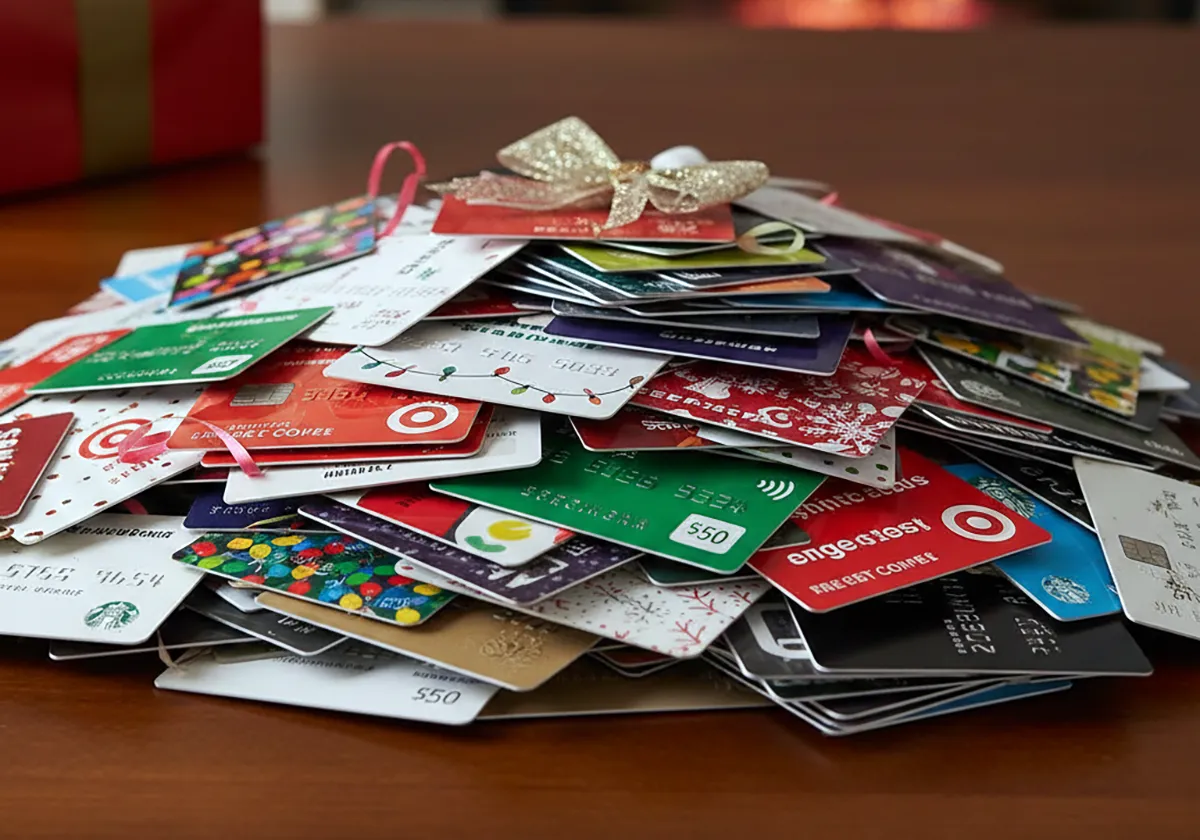
Planned amounts for housekeepers, nannies, sitters, stylists, carriers, and building staff to stay on budget.
Holiday tipping means an extra year-end thank-you for people who help you on a regular basis. It goes to regular helpers such as housekeepers, nannies, sitters, and personal-care providers, often in the range of one visit to one week of pay. The focus is the ongoing relationship, not one-time contacts.
According to the Emily Post holiday tipping guide, the Emily Post Institute directs holiday tips to people who provide regular, ongoing service such as housekeepers, nannies, babysitters, dog walkers, landscapers, and personal-care providers.
Verification note: Program terms and availability can change. This page was checked against linked sources on November 28, 2026.
Who gets a holiday tip?
Holiday tips reward continuity. A weekly housekeeper, a regular nanny, a steady babysitter, a dog walker, and a landscaper fit that pattern. A hairstylist, barber, nail technician, trainer, or massage therapist you see often fits too.
One-time contacts do not carry the same expectation. A plumber called once, a delivery driver you rarely see, or a clerk you met in December is not part of this custom. The question is simple: did this person help you week after week or month after month.
Building staff sit in a separate group. Doormen, porters, supers, and handypeople may expect a holiday thank-you if they serve your building daily. Expectations vary by city and building size.
How much for home and childcare help?
Housekeepers and cleaners commonly receive up to one week of pay, sometimes with a small gift. Bankrate tippers reported a 2025 median holiday tip of $50 to housekeepers, shown in the Bankrate holiday tipping data. Full-time nannies and au pairs commonly receive up to one week of pay plus a gift from the children.
A regular occasional babysitter receives less, often up to one evening of pay plus a small gift. Family-reported patterns add detail. Most families who tip domestic help give $100 or more to housekeepers and $15 to $25 to babysitters.
About half tip pet sitters or dog walkers, usually under $25.
How much for hair, nails, and training?
For personal-care providers, use the cost of one regular visit as the guide. That covers barbers, hairstylists, nail technicians, personal trainers, and massage therapists. Another common approach is to double the usual tip on the December visit.
Use one method or the other, not both. Pick the amount that matches how often you visit. A small gift can accompany the cash.
Keep it simple and easy to use. A note of thanks adds meaning without adding cost.
What about mail carriers and building staff?
Mail carriers follow strict limits. The U.S. Postal Service rules in the Postal Bulletin gift policy allow only a non-cash gift worth $20 or less per occasion, capped at $50 per customer per calendar year.
Cash, checks, and cash-equivalent gift cards are never allowed for USPS carriers. Choose small goods, such as packaged snacks or a modest item. Keep the value clearly under the limit.
Building staff amounts depend on place and duties. Emily Post suggests $15 to $80 per doorman and $20 to $80 for superintendents, while New York City broker guides cite about $75 to $200 per doorman and $150 to $300 for supers. Ask neighbors or the building office when unsure.
How to stay within budget?
Emily Post calls its amounts recommendations, not rules. Give what fits your budget and add a handwritten note. Use this order when money is tight: Cash works well for private childcare and cleaning help.
Small goods protect workers who must refuse cash. A short note explains that the tip thanks them for steady help through the year.
- Give cash to your closest daily or weekly helpers first
- Give flexible gift cards to other private workers
- Give small goods, not cash, to carriers and workers with employer limits